A filter rarely gets much attention when the pool is sparkling. But after a windy week, a busy family weekend or the first signs of algae, it becomes very clear how much work that equipment is doing. When comparing cartridge versus sand filters, the best choice is not simply the one with the lowest price tag. It is the one that suits your pool’s size, debris load, water habits and maintenance routine.
For homeowners in Palm Beach County, where pools work year-round and afternoon storms can fill the water with leaves, pollen and fine debris, both options can keep a pool clean and safe. The difference is how they capture dirt, how they are cleaned and what they ask of you over time.
Cartridge Versus Sand Filters at a Glance
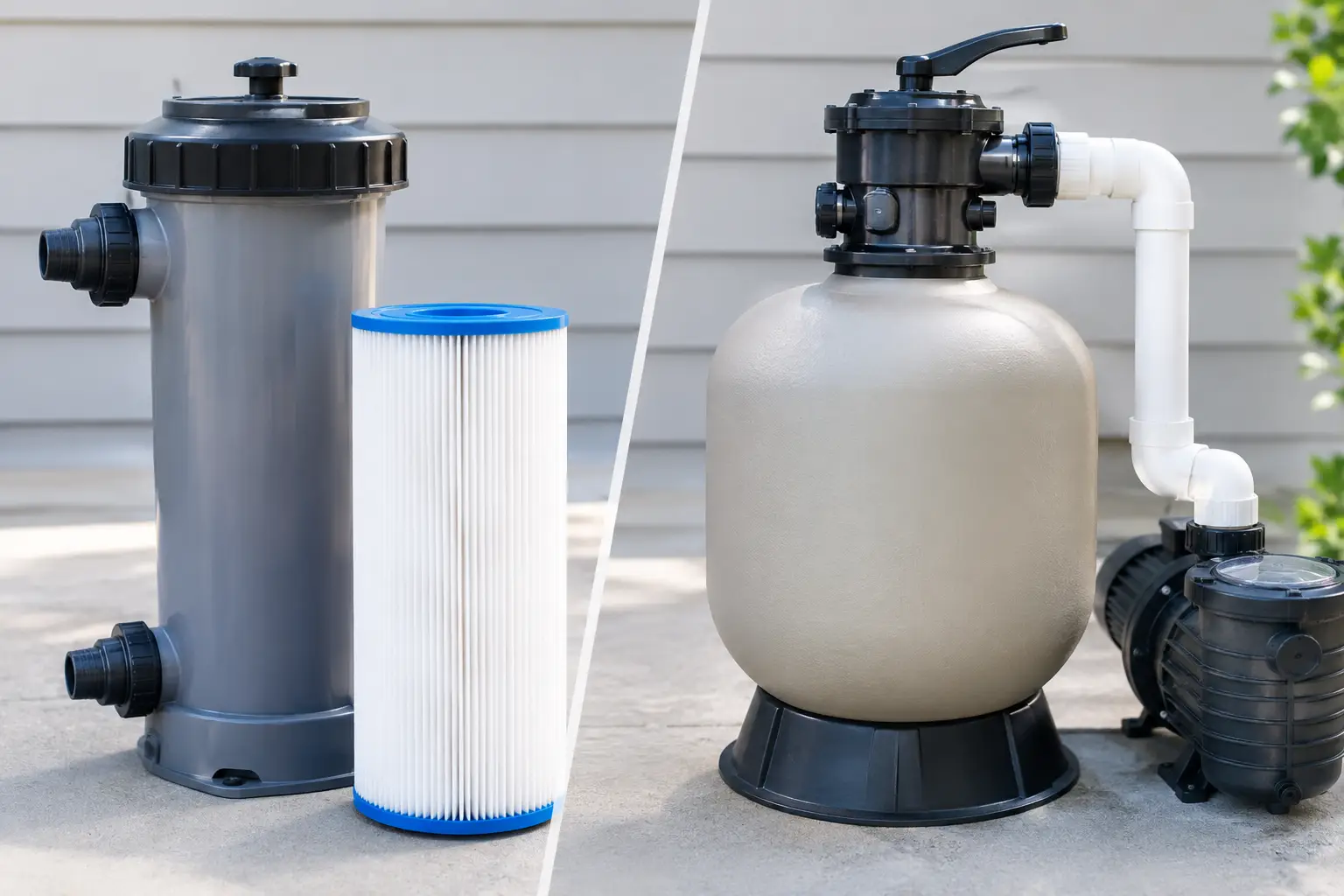
Sand filters push pool water through a tank filled with specially graded silica sand or, in some systems, glass media. Debris becomes trapped between the grains while clean water returns to the pool. When pressure rises, the filter is cleaned by reversing the water flow in a process called backwashing.
Cartridge filters use one or more pleated fabric elements inside a tank. Water passes through the fine material, which catches debris on the surface and within the pleats. To clean it, the pump is switched off, the tank is opened and the cartridges are removed and rinsed with a hose.
Both styles are proven, dependable choices. A properly sized and well-maintained sand filter can give a family pool years of trouble-free service. A cartridge filter can deliver impressively clear water while conserving water. The better fit depends on what matters most for your home.
How Clearly Does Each Filter Clean?
Cartridge filters generally capture finer particles than standard sand filters. A typical cartridge may filter particles in the region of 10 to 20 microns, while conventional sand often captures particles closer to 20 to 40 microns. The exact performance varies by filter model, flow rate and water conditions, but this difference can show up in the water’s appearance.
If you want that polished, turtly clean look with less reliance on clarifiers, a cartridge filter has an advantage. It is especially good at catching fine dust, pollen and the small particles that make otherwise balanced water look slightly dull.
That does not mean sand filters leave a pool dirty. A correctly operated sand filter still does an excellent job for many residential pools, particularly when circulation, brushing and chemistry are handled consistently. Sand filters can also be improved with alternative media or carefully selected filter aids, although those choices should be made with the system’s manufacturer guidance in mind.
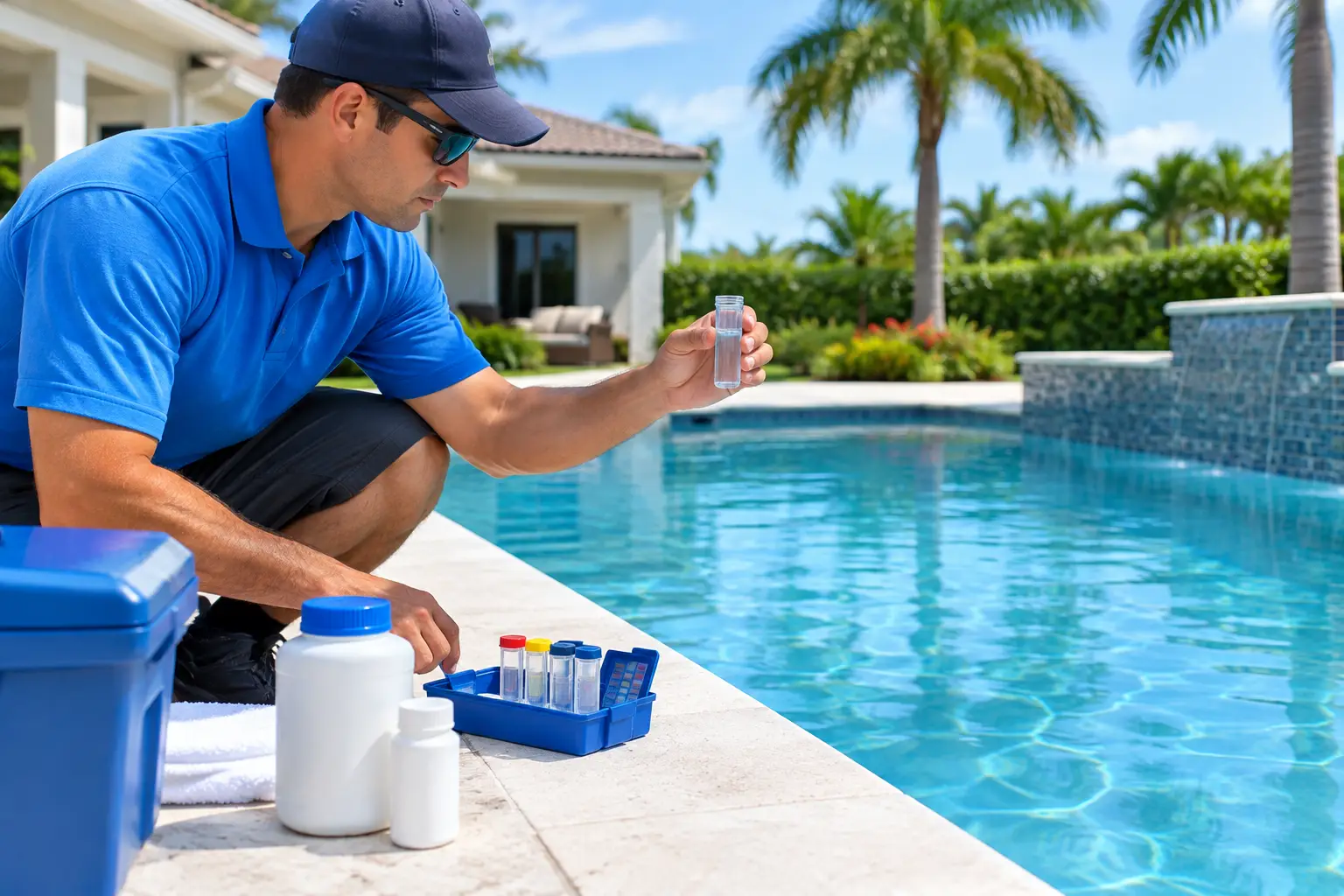
Water chemistry still comes first. No filter can compensate for poor circulation, an incorrect chlorine level or algae that has been allowed to take hold. The filter removes suspended material. Proper chemistry stops the water from becoming a problem in the first place.
Cleaning Effort and Water Use
This is where the practical difference is most noticeable.
A sand filter is straightforward to clean. You move the multiport valve to backwash, run the pump until the sight glass clears, rinse briefly and return the valve to filter. It is quick and familiar to many pool owners. However, every backwash sends treated pool water down the waste line. That means adding fresh water afterwards and rechecking chemical balance.
In South Florida, regular backwashing can also dilute stabiliser, salt and other carefully balanced levels. It is not a reason to avoid a sand filter, but it is a cost and chemistry consideration that should not be ignored. Backwashing too often wastes water and can make maintaining stable water chemistry harder than it needs to be.
Cartridge filters do not require backwashing, so they conserve water. Cleaning takes more hands-on effort, though. The cartridges must be removed, thoroughly rinsed between the pleats and reinstalled correctly. Depending on the filter size and debris load, this may take longer than a sand-filter backwash.
Cartridges also need careful handling. A high-pressure nozzle can damage the fabric, and harsh chemical soaking is not a routine answer to every dirty cartridge. Oils, scale and stubborn residue sometimes call for a specialist cleaning process. If the fabric is torn, the bands are damaged or the pleats no longer open properly, replacement is the sensible route.
Running Costs Over Time
Sand is inexpensive and usually lasts several years. It does eventually become rounded, compacted or coated with oils and minerals, reducing its ability to trap debris effectively. When that happens, the tank needs to be emptied and refilled with fresh media. For many homeowners, this is an occasional maintenance job rather than an annual expense.
Cartridge filters have no sand to replace, but the elements themselves are consumable. Quality cartridges often last a few years, although heavy debris, frequent chemical cleaning, poor water balance or a neglected green pool can shorten their life. Larger filters may contain several cartridges, so replacement costs can be more noticeable when the time comes.
Energy use is also worth considering. Cartridge filters usually operate with lower resistance to water flow when they are clean, which can work well with a variable-speed pump. Sand filters can be equally effective, but a dirty or undersized filter makes the pump work harder. In either case, correct sizing matters far more than choosing a filter based on the tank alone.
Which Filter Handles Florida Debris Best?
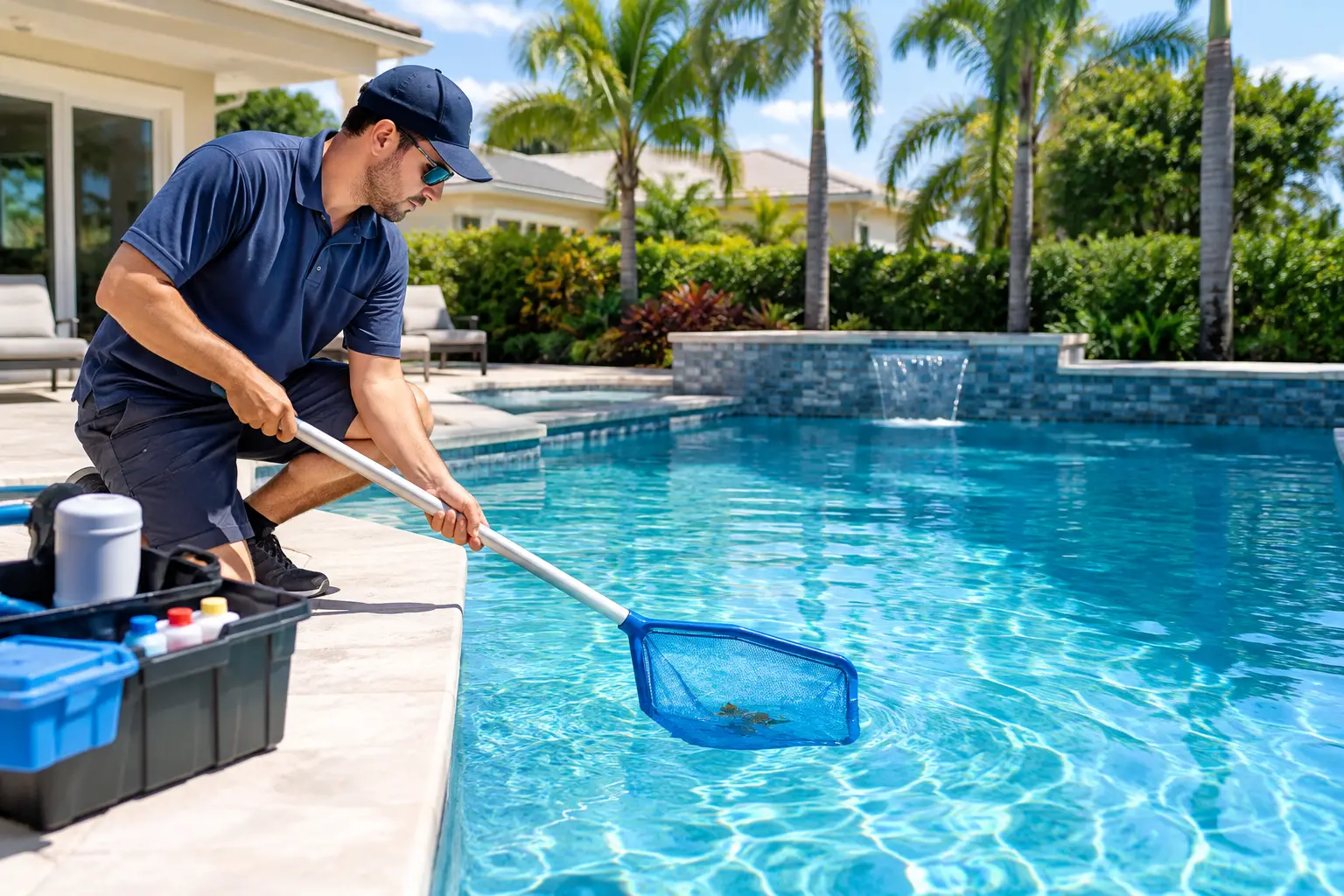
For pools surrounded by palms, oaks or open landscaping, debris volume matters. Sand filters are often a practical option for homes that see frequent leaves, grit and storm debris because backwashing is fast and there are no cartridges to rinse after every heavy clean-up.
Cartridge filters can handle debris well too, particularly when paired with a properly sized skimmer basket, pump basket and pool cleaner. Their larger filtration area can mean longer periods between cleaning under normal conditions. After a storm or algae recovery, however, a cartridge may need attention sooner because it is catching finer material.
A green-to-clean treatment is a good example of why filter maintenance cannot be separated from water recovery. As algae dies, the filter has to capture a large amount of fine waste. A cartridge system may need repeated rinsing; a sand system may need several backwash cycles. Neither process is difficult for an experienced technician, but both need to be done at the right time to restore circulation and clarity.
Pool Size, Equipment and Installation Matter
The filter should be matched to the pump’s flow rate and the pool’s water volume. A filter that is too small will clog quickly, raise pressure and limit circulation. A larger filter generally gives the system more breathing room and reduces cleaning frequency.
If you are replacing an existing filter, plumbing layout and valve configuration may influence the decision. Sand filters commonly use a multiport valve, while cartridge filters have a simpler internal layout without a backwash line. Changing filter types can involve replumbing, and the best option is not always the one that fits the existing pad with the fewest changes.
Newer variable-speed pumps, automation and saltwater systems can work with either filter type. The key is setting them up as one system rather than treating each piece of equipment as separate. The pump schedule, water turnover, pressure reading and chemical demand should all make sense together.
When Sand Is the Better Choice
A sand filter is often a strong fit if you prefer quick backwashing, have a higher debris load or want a familiar, durable system with modest upfront media costs. It is also a sensible option for homeowners who do not mind topping up water and checking chemistry after backwashing.
Choose a quality filter with enough capacity for the pool. A small sand filter may appear less expensive initially, but frequent backwashing and restricted circulation can make it frustrating to own.
When a Cartridge Filter Is the Better Choice
A cartridge filter is often the better fit if water conservation, fine filtration and a lower-waste maintenance routine are priorities. It works particularly well for homeowners who want excellent water clarity and are comfortable with occasional cartridge rinsing or professional filter cleaning.
It can also be a smart choice where there is no convenient waste line for backwashing. Just plan for eventual cartridge replacement and make sure the tank is large enough to avoid constant cleaning.
Let the System, Not the Sales Pitch, Decide
The most dependable filter is the one sized correctly, kept clean and supported by consistent water care. Watch the pressure gauge after every proper cleaning so you know the system’s normal baseline. When pressure rises noticeably above that reading, circulation slows or the water begins losing its sparkle, it is time to inspect the filter rather than wait for a bigger problem.
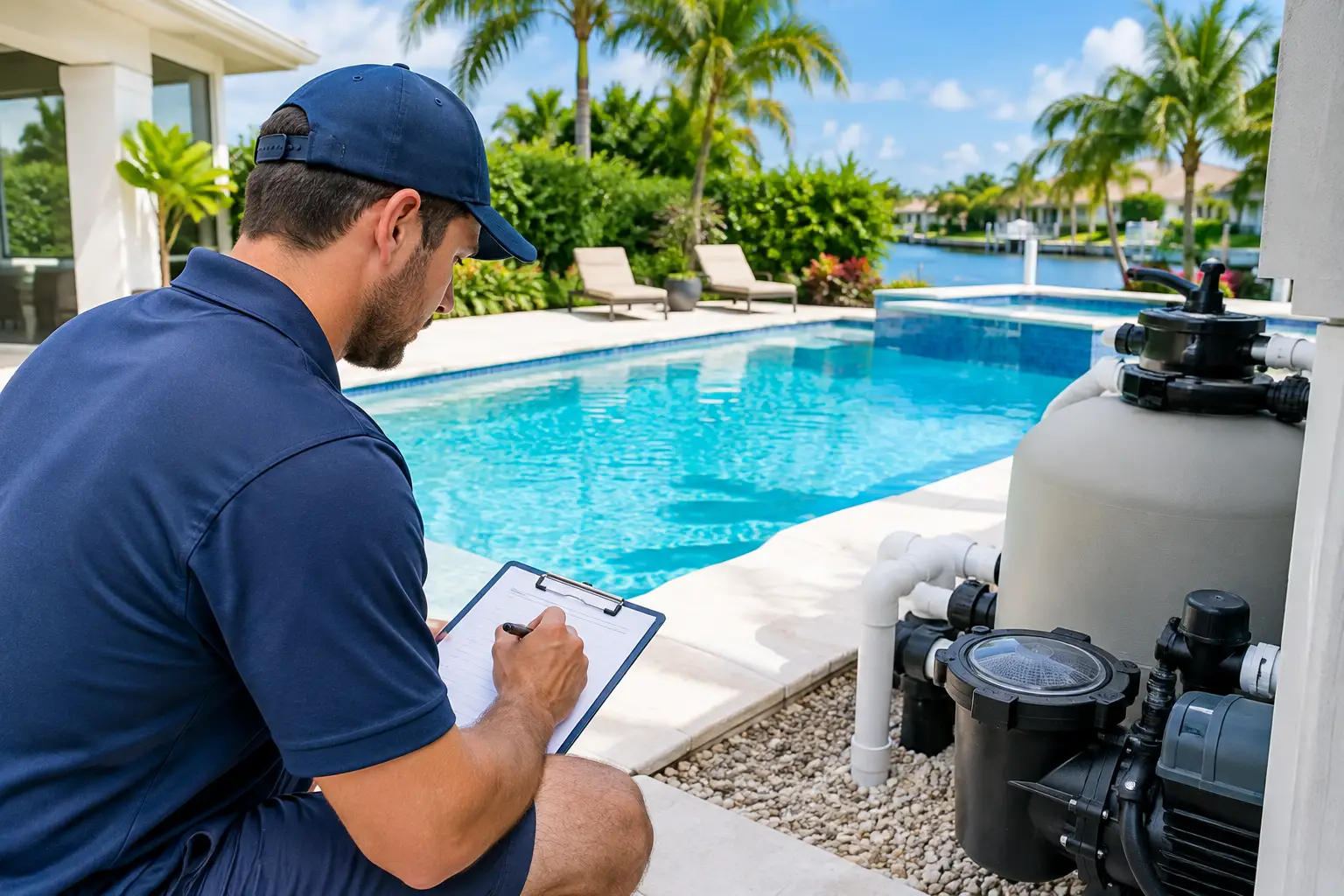
For homeowners who would rather spend weekends in the pool than opening filter tanks, Turtle Pool Care can assess the full equipment setup, maintain filter performance and keep the chemistry safe and perfectly balanced. A well-chosen filter should quietly do its job in the background, leaving your pool ready for the next sunny afternoon.