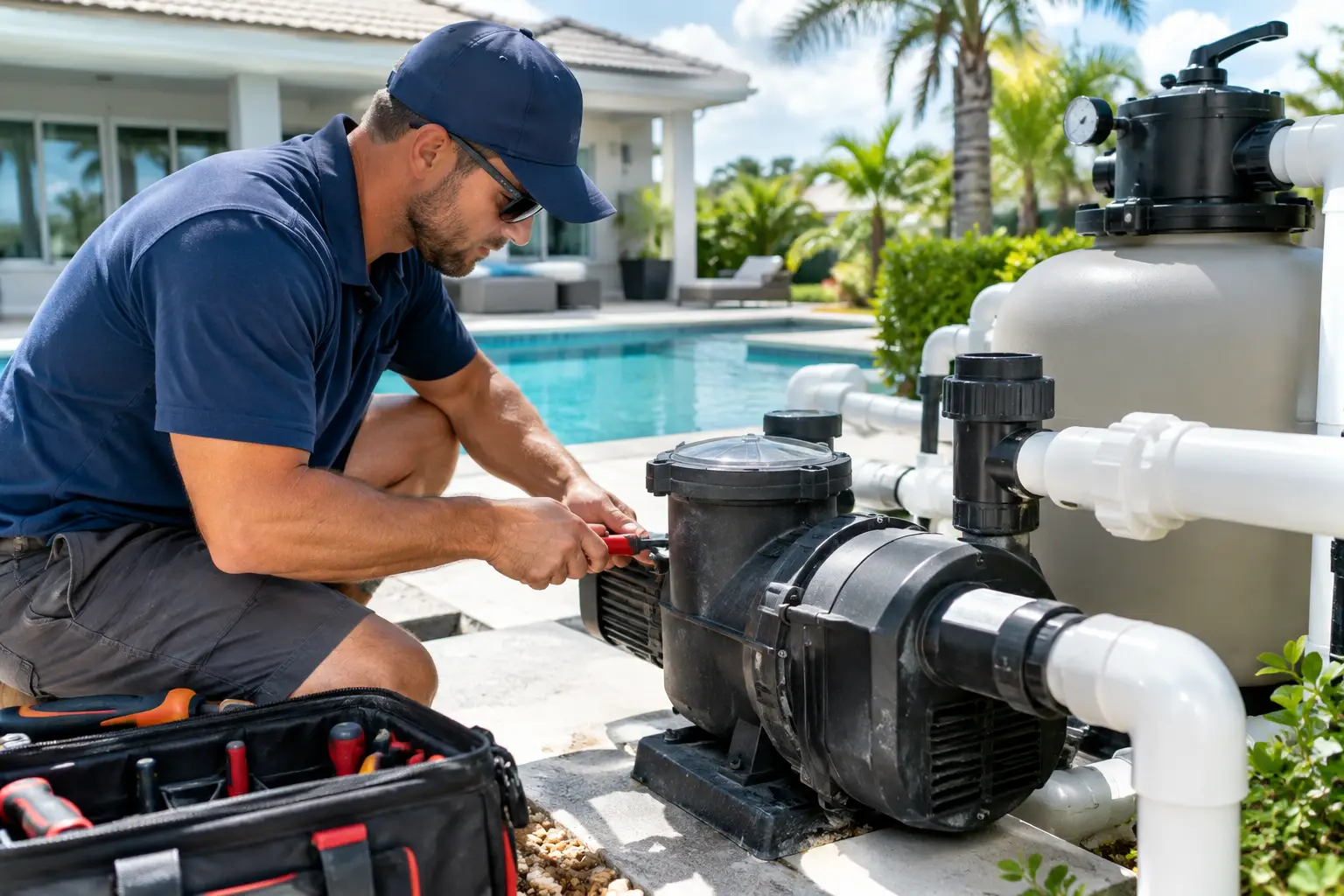
A pool can look inviting at noon and still have a chemistry or equipment issue developing behind the scenes. That is why pool visit report reviews deserve more attention than a quick glance at a five-star rating. Customer feedback tells you how a company treats people. A detailed report tells you how that company cares for the pool when no one is watching.
For homeowners, the best service experience combines both. You want friendly, reliable people at your property, but you also want a clear record of what was checked, cleaned, adjusted, and noticed during the visit. That record turns weekly pool service from a vague promise into accountable care.
What Pool Visit Report Reviews Can Really Tell You
When reading reviews for a pool service, look beyond broad comments such as “great company” or “pool looks good.” Those remarks are encouraging, but the more useful reviews mention communication, consistency, detailed visit notes, photos, water clarity, and how the company handled a concern.
A homeowner who says they received a notification before service, photos afterward, and a clear explanation of an equipment issue is describing a process, not just a pleasant interaction. That process matters because pool conditions can change quickly in Florida. Heavy rain, windblown debris, high bather use, a warm spell, or a small equipment problem can all affect water quality between visits.
Reviews should also be read with a little context. A pool that has been neglected, recently resurfaced, or turned green will not behave like a well-established pool on a normal weekly route. Strong service providers explain what they find, set realistic expectations, and document the work needed to bring conditions back under control. Immediate perfection is not always possible, but clear communication should be.
A Good Visit Report Is More Than a Completion Notice
A generic message saying “service complete” offers little peace of mind. A useful digital report gives the homeowner a practical snapshot of the pool at that moment. It should make it easy to see that the visit happened and understand whether anything needs attention.
Service tasks completed
Weekly care commonly includes skimming surface debris, brushing walls and steps, emptying baskets where appropriate, vacuuming as needed, and visually checking the pool and its equipment. The exact work can vary from one visit to another. A pool under oak trees may need more debris removal, while another may need extra attention after a storm.
The report does not need to read like a novel, but it should identify the meaningful work performed. Specific notes build confidence because they show the technician is responding to the pool in front of them rather than following a one-size-fits-all checklist.
Water testing and chemical balancing
Water can appear clear while still being out of balance. A properly documented visit should indicate that the water was tested and treated as needed to maintain safe, comfortable conditions and protect the pool surface and equipment.
Homeowners do not need to become chemists to benefit from this information. What matters is knowing the water is being actively managed, not guessed at. If readings or conditions call for a follow-up, the report should say so in plain language. This is particularly valuable for saltwater pools, which still require regular water testing and balancing even though the system produces chlorine.
Photos that provide context
Photos are one of the simplest ways to make service visible. A clear image of the pool, equipment area, or a specific issue gives homeowners a point of reference, especially when they are at work, away for the season, or simply not home during the visit.
Photos work best alongside written notes. A picture of a clean pool is reassuring, but a brief note about a low water level, a noisy pump, or visible debris after a storm tells the fuller story. Documentation should inform you, not leave you trying to interpret a photo on your own.
Equipment observations and next steps
Routine visual inspections can catch small concerns before they become more disruptive. A report may note an unusual sound, a leak around equipment, poor circulation, a damaged basket, or a heater and pump issue that needs closer evaluation.
Not every observation means an urgent repair. Sometimes a technician is simply keeping an eye on a condition. The key difference is whether the homeowner is told what was observed, how serious it appears to be, and what happens next. Clear notes allow you to make an informed decision without being surprised later.
How to Read a Pool Service Review With a Critical Eye
The most helpful reviews contain details that are hard to fake and useful to repeat. Look for patterns across several comments rather than relying on one glowing or frustrated experience. Do homeowners consistently mention that their pool stays clean? Do they say messages are returned? Do they describe technicians arriving reliably and explaining repairs clearly?
It is also worth noticing how a company appears to deal with problems. Pool equipment eventually wears down, algae can take hold after a disruption, and weather does not respect a service schedule. The question is not whether a pool company will ever encounter a problem. The question is whether it communicates early, diagnoses thoughtfully, and follows through.
A few things are especially reassuring in pool visit report reviews:
- Consistent mention of visit notifications and detailed reports
- Photos that help owners see the condition of the pool and equipment
- Clear explanations of water-quality concerns or repair recommendations
- Respect for gates, pets, landscaping, and the homeowner’s property
- Follow-up communication when an issue requires more than routine service
If reviews only focus on low cost or a pool “looking nice,” ask more questions. Price matters, but weekly care is a recurring responsibility. A slightly cheaper service that provides little communication can become expensive if a leak, failing pump, or chemistry problem goes unnoticed.
Questions to Ask Before You Rely on Digital Reports
A report is only valuable when the information is useful and consistent. Before choosing a service provider, ask what is included after each visit. Will you receive a notification? Are photos part of the normal process? Will chemical treatment, cleaning tasks, and equipment concerns be recorded? Who contacts you if something needs approval or a repair visit?
Also ask how the company handles exceptions. For example, if a pool needs extra vacuuming after severe weather, is that noted? If the water cannot be fully corrected in one visit, will you be told what to expect? If equipment is not operating normally, will the service team explain the likely issue before recommending work?
There is a balance to strike. A homeowner does not need a page of technical data every week, and too much jargon can make a report less useful. At the same time, a bare completion message is not enough for a service you trust with a major part of your home. The ideal report is concise, specific, and easy to act on.
Why Reporting Matters for New and Established Pools
Digital documentation is especially helpful during a new-pool or resurfaced-pool startup. Water chemistry must be managed carefully over a structured startup period, and homeowners benefit from seeing what has been checked and what they should expect as the finish settles in. Notes create continuity when the pool’s needs are changing from week to week.
For an established pool, reports create a history. That history can help identify recurring debris patterns, ongoing water-balance challenges, or equipment behavior that is gradually changing. It can also make a future repair conversation clearer because the provider has documented observations rather than relying on memory.
At Turtle Pool Care, detailed digital reports, service notifications, and photographic documentation are designed to give homeowners that kind of visibility. It is local, family-owned accountability supported by practical pool-service technology, with the goal of keeping every pool turtly clean and every homeowner informed.
A pool service visit should never feel like a mystery. When reviews point to dependable communication and reports show the work behind the clean water, you can enjoy the pool with more confidence and spend less time wondering what happened at the gate.