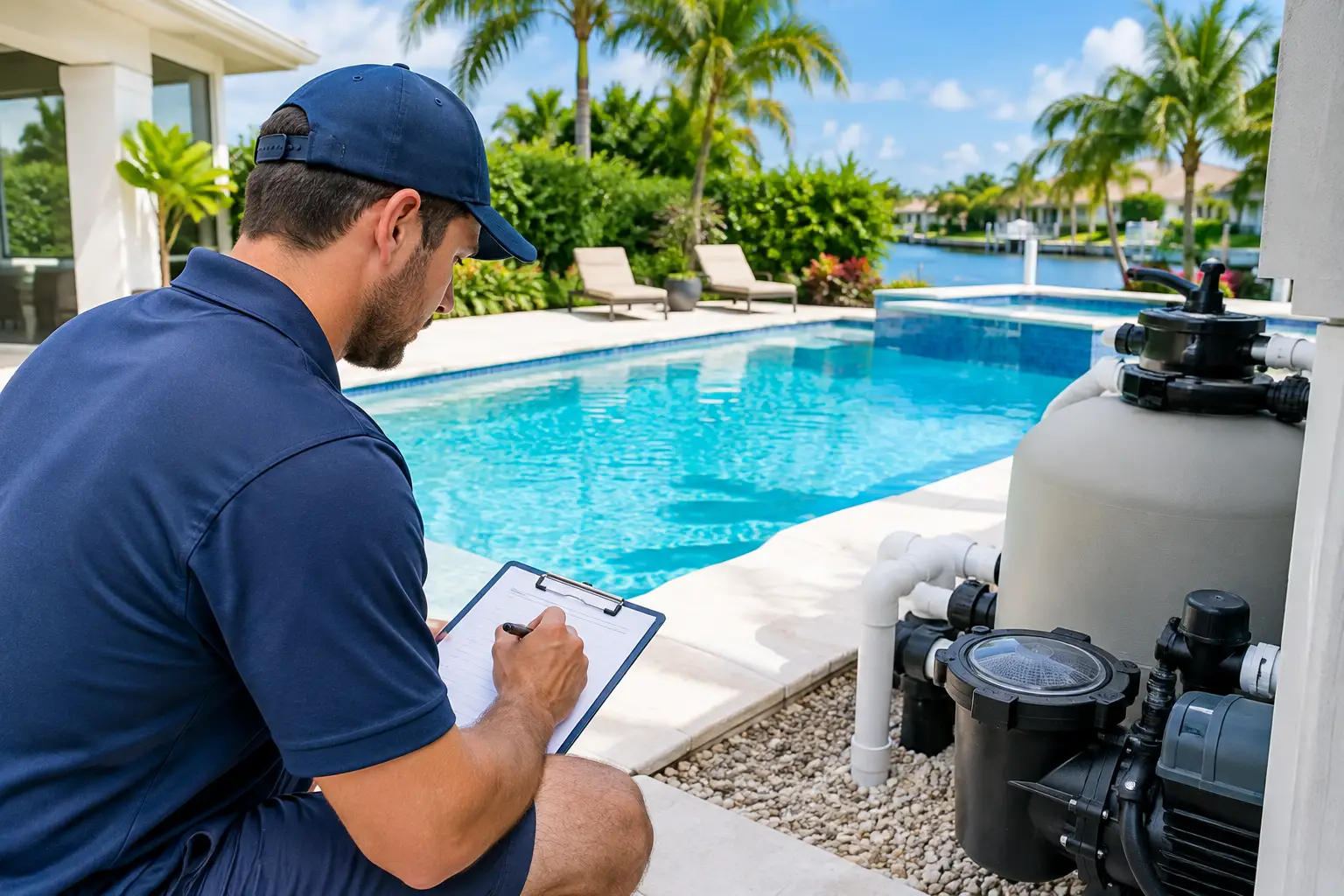
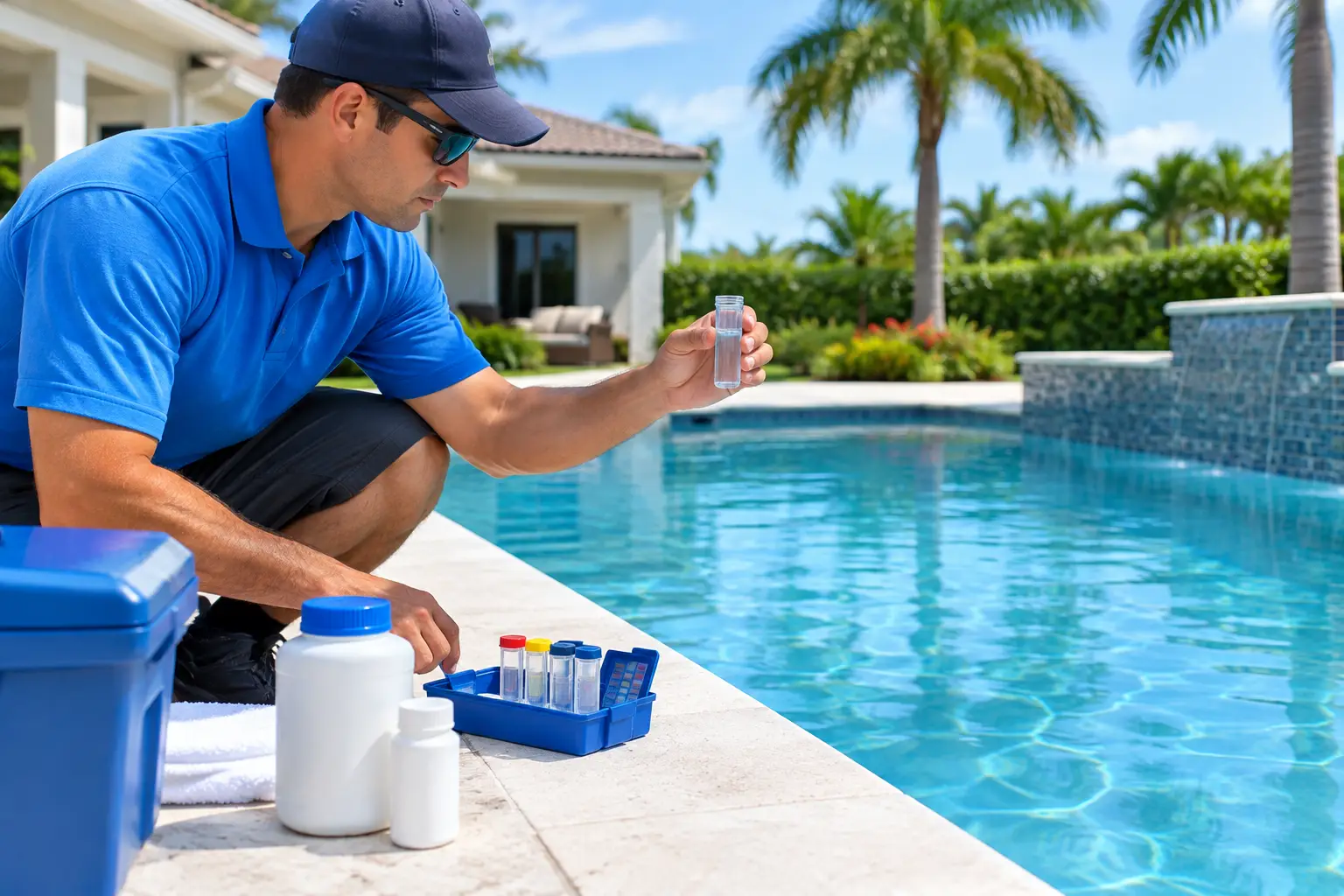
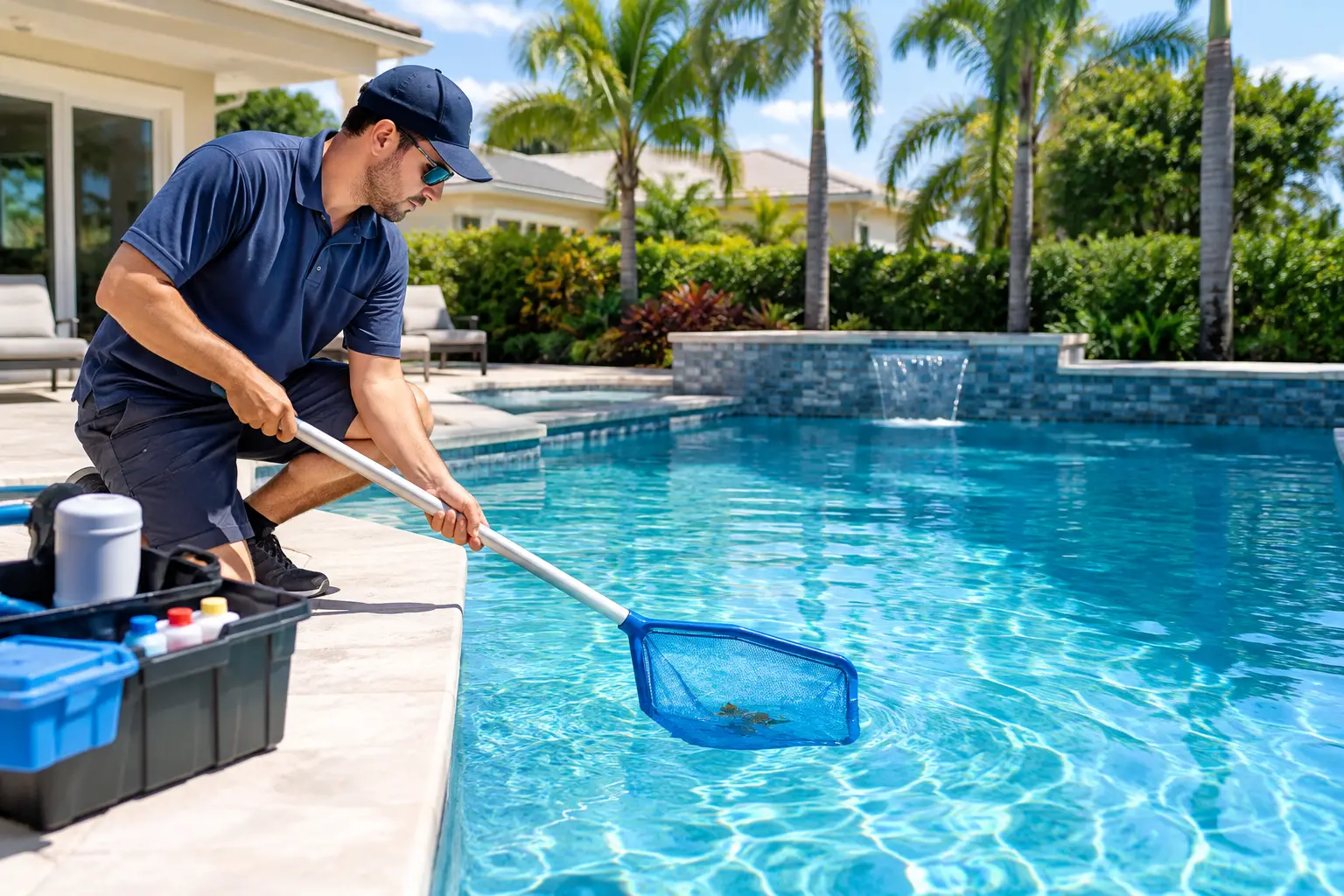
A pool can look clear at first glance while its chemistry is quietly drifting, a pump is straining, or an algae problem is beginning behind a light fitting. That is why choosing a licensed insured pool service is about more than having somebody skim the surface each week. It is about placing your pool, equipment and property in the hands of a professional who works carefully, communicates clearly and stands behind the work.
For homeowners across Palm Beach County, a pool is part of daily life. It is where children play after school, where friends gather at the weekend and where a warm Florida afternoon feels a little more manageable. Keeping that space safe and turtly clean should not require you to become an expert in test readings, filtration cycles and chemical dosing.
What licensed insured pool service really means
The words “licensed” and “insured” are often grouped together, but they address different parts of professional accountability. Licensing shows that a provider operates within the requirements applicable to their work. Insurance helps protect both the homeowner and the service provider should an accident or covered damage occur during a visit.
Neither credential is a substitute for skill, consistency or good judgement. A licensed, insured company can still offer rushed service, while a careful technician must still be properly protected. The best choice is a provider that combines the right credentials with a documented process, experienced pool knowledge and a record of showing up when promised.
Pool care involves more than a net and a vacuum. Technicians work around electrical equipment, moving water, chemical products, plumbing connections and sometimes slippery deck surfaces. A responsible company recognizes those risks and treats your garden as carefully as it treats your water.
Why insurance gives homeowners practical peace of mind
Insurance is not just a box to tick on a quote. It matters when work takes place around valuable equipment and a well-kept home. A pool technician may need to open a pump housing, inspect a leaking pipe, handle chemicals or access areas near patios, screens and landscaping. If something goes wrong, you want to know the company has appropriate cover rather than leaving you to sort out the consequences.
Ask a prospective provider whether they are insured and whether they can confirm that cover on request. A professional should answer plainly, without making you feel awkward for asking. Transparency at the beginning is usually a good sign of how they will handle service notes, repair recommendations and billing later on.
Insurance is especially relevant when a pool needs more than routine cleaning. Equipment repairs, lighting work, automation upgrades and green-to-clean recoveries can involve more time, more materials and more potential for unexpected findings. A technician should explain what they have found before proceeding with work beyond the agreed scope.
The difference between a weekly visit and real pool care
Weekly service should make pool ownership easier, but the quality of that visit varies widely. A quick skim may make the water look better for a day. Proper maintenance looks at the conditions that determine whether the pool stays clean, safe and comfortable between visits.
That includes removing debris, brushing and vacuuming as needed, emptying baskets, checking circulation, inspecting visible equipment and testing the water. Chemical balancing should be precise, not based on guesswork or a one-size-fits-all dose. Rainfall, heavy use, heat, nearby vegetation and the condition of the equipment can all change what a pool needs that week.
A well-maintained pool also gets attention before a small issue becomes an expensive one. A weak flow from the returns, an unusually noisy pump, a pressure change at the filter or repeated chlorine demand can point to a developing problem. Catching those signs early can protect both water quality and equipment life.
For families, the outcome is simple: fewer cancelled swim days, less time spent handling chemicals and greater confidence that the water is being managed properly.
Questions worth asking before you hire
A trustworthy provider will welcome sensible questions. Before arranging recurring service, ask how they test and balance water, what is included in a standard visit, and how they communicate when they find a concern. It is also reasonable to ask whether the same technician or team will service your pool regularly, although this can depend on holiday cover and scheduling.
Four details are particularly useful to confirm:
- Current licensing and insurance status.
- The exact tasks included in weekly service.
- How repairs, replacement parts and additional chemicals are approved.
- Whether you receive a report after each visit.
The last point is easy to overlook. A detailed digital report and photographs provide a useful record of the visit, especially if you are at work, away from home or simply not standing by the pool when service is completed. You should be able to see that the work was done, understand the chemical readings and know if a repair has been recommended.
Chemistry expertise is where value shows up
Pool water chemistry is not about chasing a single perfect number. It is about keeping several readings in the proper relationship so sanitizer can do its job, surfaces are protected and swimmers are comfortable. Chlorine, pH, alkalinity, stabiliser and calcium hardness all play a role. The correct balance depends on the pool’s finish, sanitation method, water source and recent conditions.
Overcorrecting can be as troublesome as under-treating. Adding chemicals too quickly, or without testing accurately, can cause cloudy water, irritation, scaling or unnecessary wear on surfaces and equipment. Conversely, weak sanitisation can allow algae to gain ground quickly in South Florida heat.
This is where an accountable pool company earns its keep. Rather than treating every green tint or cloudy patch as the same problem, it should identify likely causes, set expectations and monitor the recovery. Some pools clear quickly; others need a more intensive process because algae has taken hold, circulation is limited or chemical levels have been neglected for some time.
Repairs and upgrades need clear recommendations
Your weekly technician is often the first person to notice a pump leak, ageing capacitor, blocked impeller, damaged seal or inefficient lighting. That does not mean every observation requires an immediate replacement. Good service means explaining what is urgent, what can be monitored and what improvement may be worth planning for.
For example, a repair may be the sensible option for a relatively new pump with a straightforward fault. In another case, an older unit that repeatedly loses performance may make an upgrade more economical over time. Modern automation and pool lighting can also improve convenience, but the right choice depends on how you use the pool and the condition of the existing system.
Look for recommendations that are specific. “Pump issue” is vague. A clear explanation of the symptom, likely cause, proposed remedy and expected cost gives you the information needed to decide confidently.
New and resurfaced pools deserve specialist attention
A new plaster or resurfaced pool is not ready to be treated like a mature pool on day one. The surface needs a carefully managed start-up period while it cures, and water chemistry requires close attention to protect the finish. Skipping that process can lead to preventable staining, scale or surface issues.
A structured 28-day start-up program gives homeowners a clear plan during this important stage. Regular brushing, testing and gradual balancing are not optional extras. They are part of protecting a substantial investment from the very beginning.
If you are building a pool or planning a resurface, ask who will manage the start-up, how often the pool will be checked and what documentation you will receive. This is a situation where the cheapest weekly quote may not represent the best value.
Choose a company that makes service visible
Reliability is easier to judge when it is visible. Visit notifications, post-service reports and photographs turn a promise of weekly care into a record you can review. They also make it easier to spot patterns, such as recurring debris after storms or a piece of equipment that needs attention.
Turtle Pool Care combines that practical visibility with the personal accountability of a family-owned local service. For homeowners in Wellington, Royal Palm Beach, The Acreage and nearby communities, that means pool care designed to feel organized without feeling impersonal.
The right provider will not make your pool seem mysterious or make you chase answers. They will explain what the water needs, respect your property and leave you with the reassuring sense that the next family swim is one less thing to worry about.