A pool can look fairly clear at first glance and still have pool circulation problems developing behind the scenes. When water is not moving properly through the skimmer, pump, filter and returns, chlorine cannot reach every area effectively. That is often when a family pool starts to turn dull, collect debris in corners or develop algae much sooner than expected.
In Palm Beach County, warm weather, regular rainfall and year-round swimming put extra pressure on pool equipment. Catching a circulation issue early can protect water quality, reduce unnecessary chemical use and help avoid a more expensive repair later.
What good pool circulation should look like
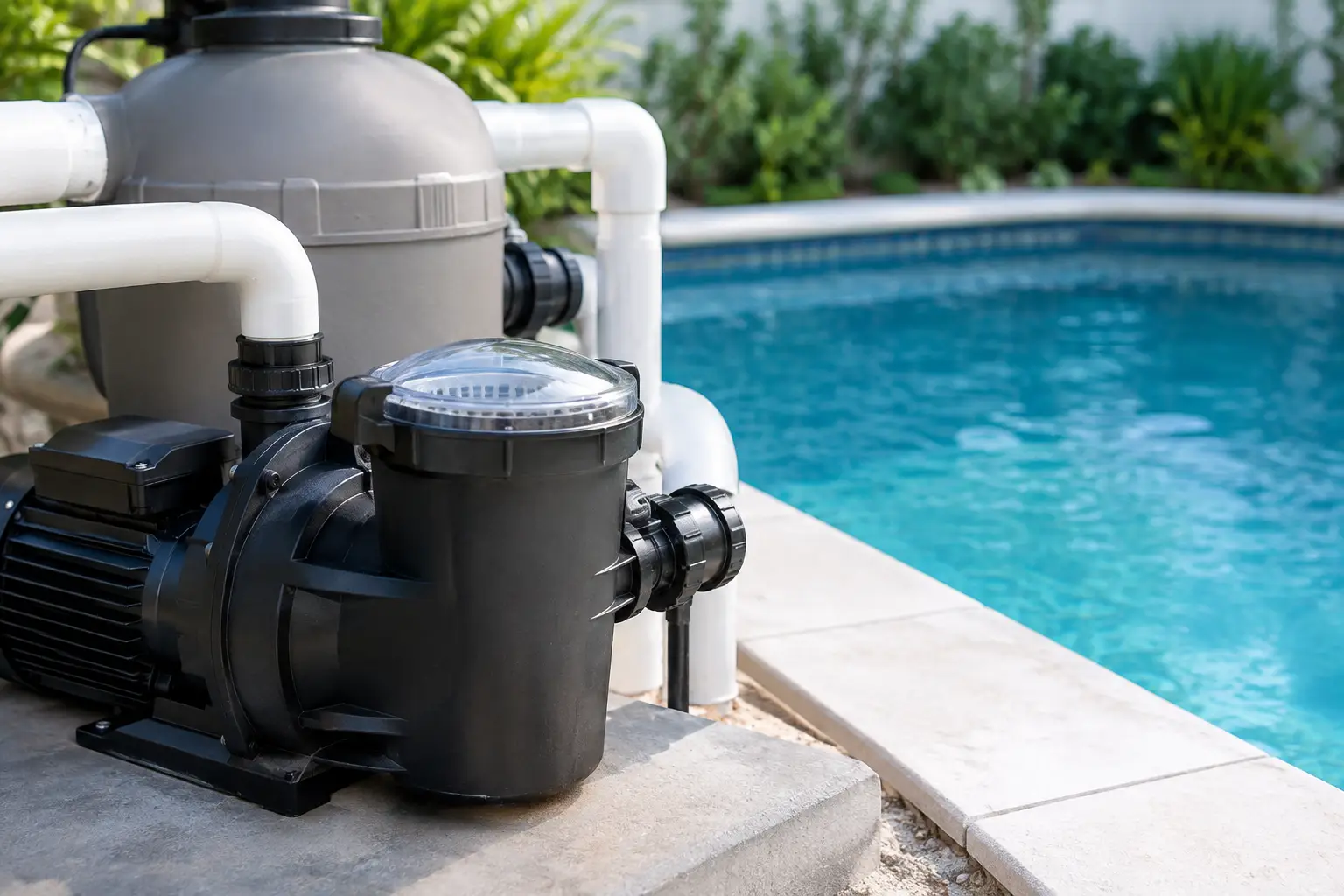
A healthy circulation system draws surface water through the skimmer and main drain, sends it through the pump and filter, then returns clean, treated water to the pool through the return jets. The flow should be steady enough to move debris towards the skimmer and create gentle movement across the whole pool.
You may see ripples from the returns, but strong surface movement alone does not prove everything is working correctly. The lower areas of the pool need movement too. Steps, tanning ledges, deep ends and tight corners can become trouble spots when return jets are poorly aimed or the pump is not producing enough flow.
A properly circulating pool also tends to hold its chemical readings more consistently. If chlorine seems to disappear quickly, the water keeps going cloudy or algae returns after treatment, circulation should be considered alongside chemistry.
Signs of pool circulation problems
The first warning is not always a silent pump or an obvious equipment failure. More often, homeowners notice small changes in how the pool looks, feels or behaves. Common signs include:
- Debris lingering on the surface or collecting in the same corners
- Weak flow, or no flow, from one or more return jets
- Cloudy water that does not improve after normal chemical balancing
- Algae appearing repeatedly on walls, steps or shaded areas
- A pump basket that will not stay full of water, or a pump that sounds unusually loud
- Filter pressure that is much higher or lower than its normal clean reading
These symptoms can overlap. For example, a dirty filter may reduce return flow, which then leaves dead spots where algae can grow. Adding extra chlorine may improve the appearance temporarily, but it will not remove the underlying restriction.
Low pressure versus high pressure
A pressure gauge gives useful clues, provided you know the normal reading for your specific pool when the filter is clean. A higher-than-usual reading usually points to resistance after the pump, often from a dirty filter or a closed valve. Very low pressure can suggest restricted water entering the pump, an air leak, a blocked skimmer line or a pump issue.
Pressure readings are not a diagnosis on their own. Different filter types and equipment layouts operate differently. What matters most is a noticeable change from your pool’s usual baseline.
1. A full skimmer basket or pump basket
This is the simplest cause and one of the most common. Leaves, palm debris, seed pods and small toys can reduce the amount of water reaching the pump. In heavily landscaped gardens, a basket can fill faster than expected, especially after wind or rain.
Turn the pump off before opening any equipment lid. Empty the skimmer basket and pump basket, check that the pump lid O-ring is clean and seated correctly, then restart the system. If the pump struggles to prime or the water level in the pump basket keeps dropping, do not keep running it dry. That can damage the pump seal and motor.
2. The water level is too low
The pool water should generally sit around the middle of the skimmer opening. If it falls below the skimmer, the system can draw air instead of water. You might hear gurgling at the pump, see bubbles through the pump lid or notice air blowing from the return jets.
Low water can happen after splashing, evaporation, a backwash cycle or a period of dry weather. If the level drops repeatedly or unusually quickly, it may be worth checking for a leak rather than simply topping it up each time.
3. A dirty or overloaded filter
Your filter is meant to catch fine debris, but eventually it becomes restrictive. Cartridge filters need periodic cleaning, while sand and DE filters have their own maintenance requirements. A filter that is overdue for service can reduce circulation long before the water becomes visibly dirty.
There is a trade-off here. Cleaning a filter too often can be unhelpful in some systems, because a small amount of captured material can improve filtration efficiency. Waiting until flow is severely reduced, however, puts unnecessary strain on the pump and allows water quality to slip. Following the manufacturer’s guidance and watching your normal pressure reading is the sensible middle ground.
4. Air leaks on the suction side
Air entering the plumbing before the pump can create frustrating and inconsistent circulation problems. The leak may be at the pump lid, a worn O-ring, a loose fitting, a valve or a cracked section of plumbing. Unlike a water leak, a suction-side air leak may not leave a puddle because it pulls air inward while the pump is running.
Bubbles coming from the returns, a pump basket that is not completely full, or difficulty priming after the pump has been off are all clues. Re-lubricating or replacing a lid O-ring may solve a minor issue. Cracked fittings, failing valves and hidden plumbing faults need a professional inspection.
5. Poorly positioned return jets
Return jets should help create a circular pattern of movement around the pool, not simply blast water towards the nearest wall. When jets point upwards or directly at one another, some areas can receive little circulation. That is particularly common around steps, benches and tanning ledges.
Aim the eyeballs slightly downward and across the pool where possible. The best direction depends on the pool shape, the number of returns and the location of the skimmer. A small adjustment can improve debris collection, but it cannot compensate for a blocked filter, undersized pump or failing equipment.
6. A pump, impeller or motor problem
The pump is the heart of circulation. If it is noisy, leaking, losing prime or producing weak flow despite clean baskets and a serviced filter, the issue may be inside the pump itself. A clogged impeller can restrict flow, while worn seals, bearings or a failing motor can affect performance and reliability.
Pumps also need to be matched to the pool and plumbing. Bigger is not automatically better. An oversized pump can create excessive flow, increase energy use and place pressure on equipment, while an undersized pump may struggle to circulate and filter the full pool volume. Variable-speed pumps offer useful control, but they still need correct programming for the pool’s needs.
7. Valves, plumbing or automation settings
A valve left partly closed after a repair, a stuck actuator or an incorrect automation schedule can quietly reduce circulation. This is especially likely on pools with spas, water features, heaters or automated valve systems, where water can be directed through several different lines.
Check whether the pump is scheduled to run long enough and whether it is operating at an appropriate speed. There is no single run-time rule for every Florida pool. Pool size, bather load, water temperature, shade, rainfall and equipment all matter. A professional can assess actual flow and water condition rather than relying on a generic setting.
What to do before the water turns green
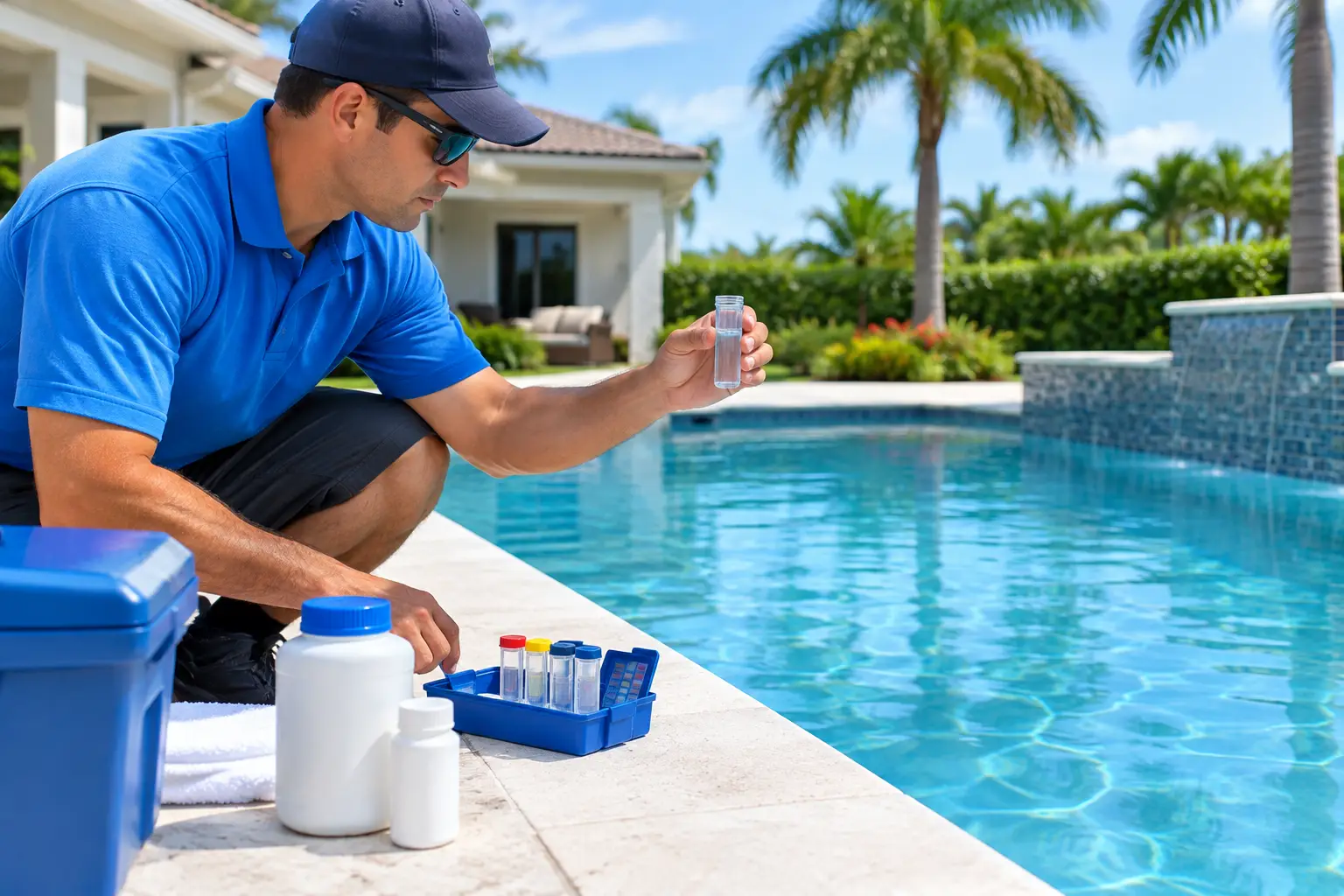
Start with the safe basics: make sure the water level is correct, empty accessible baskets, confirm valves are in their normal positions and look for visible air in the pump basket or return jets. Note the filter pressure and compare it with your usual clean reading. Avoid repeatedly adding chemicals without testing the water first, as poor circulation can make chemical problems look worse than they are.
If the pump is making grinding noises, will not prime, leaks at the seal, trips power or runs with little water in the basket, switch it off and arrange a repair assessment. Continuing to run damaged equipment can turn a manageable fix into a replacement job.
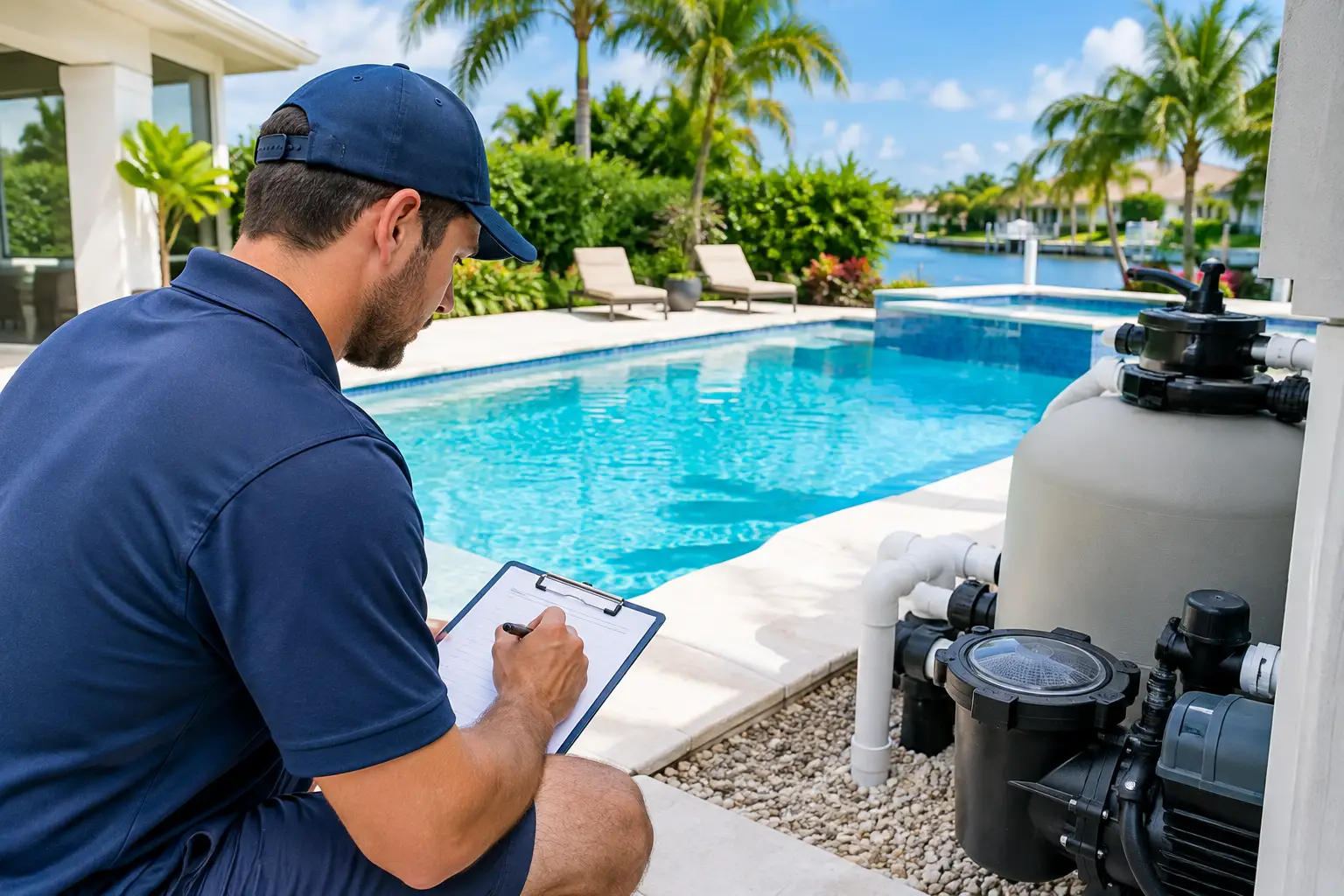
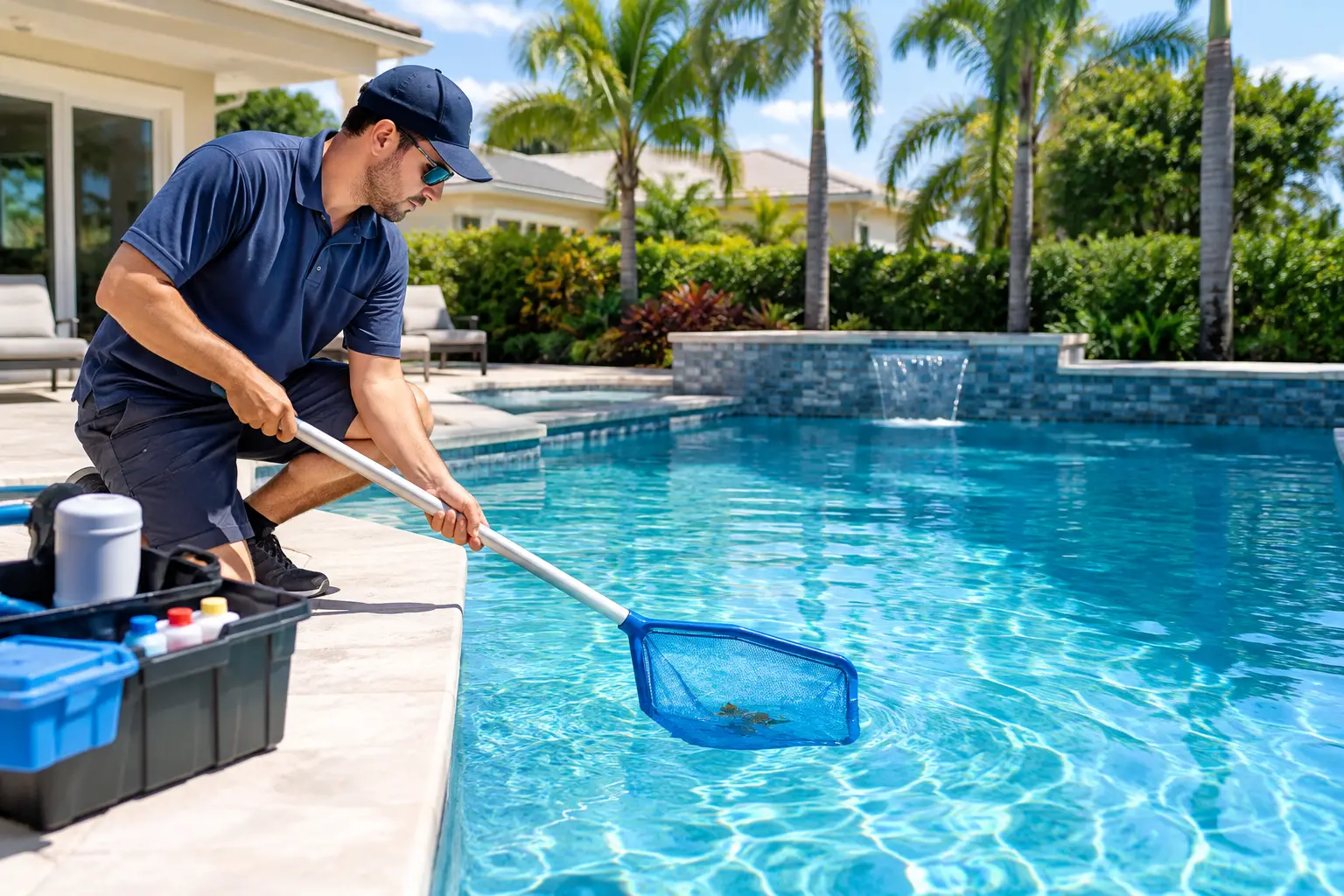
Consistent weekly service is often the best prevention. Skimming, vacuuming, equipment checks, water testing and precise chemical balancing all work together. At Turtle Pool Care, documented service reports and equipment observations help homeowners spot changes before their pool loses that safe, perfectly balanced, turtly clean feel.
A pool should feel ready when the children want an after-school swim or friends arrive for the weekend. If the water is losing clarity, debris is lingering or the equipment sounds different, treating circulation as the first clue can keep a small issue from becoming a green-pool recovery.