A pool can look fine from the kitchen window and still be heading towards an algae bloom, scale buildup or a struggling pump. That is why pool company communication is more than a courtesy text after a visit. It is how homeowners know what was checked, what was adjusted and whether a small concern needs attention before it becomes an expensive repair.
For families across Palm Beach County, a pool is part of everyday life. It is where children play after school, where friends gather at the weekend and where a quiet evening can end with a swim. Clear, dependable communication helps keep that enjoyment simple. You should never be left guessing whether your pool has been serviced or wondering why the water suddenly looks different.
Why Pool Company Communication Protects Your Pool
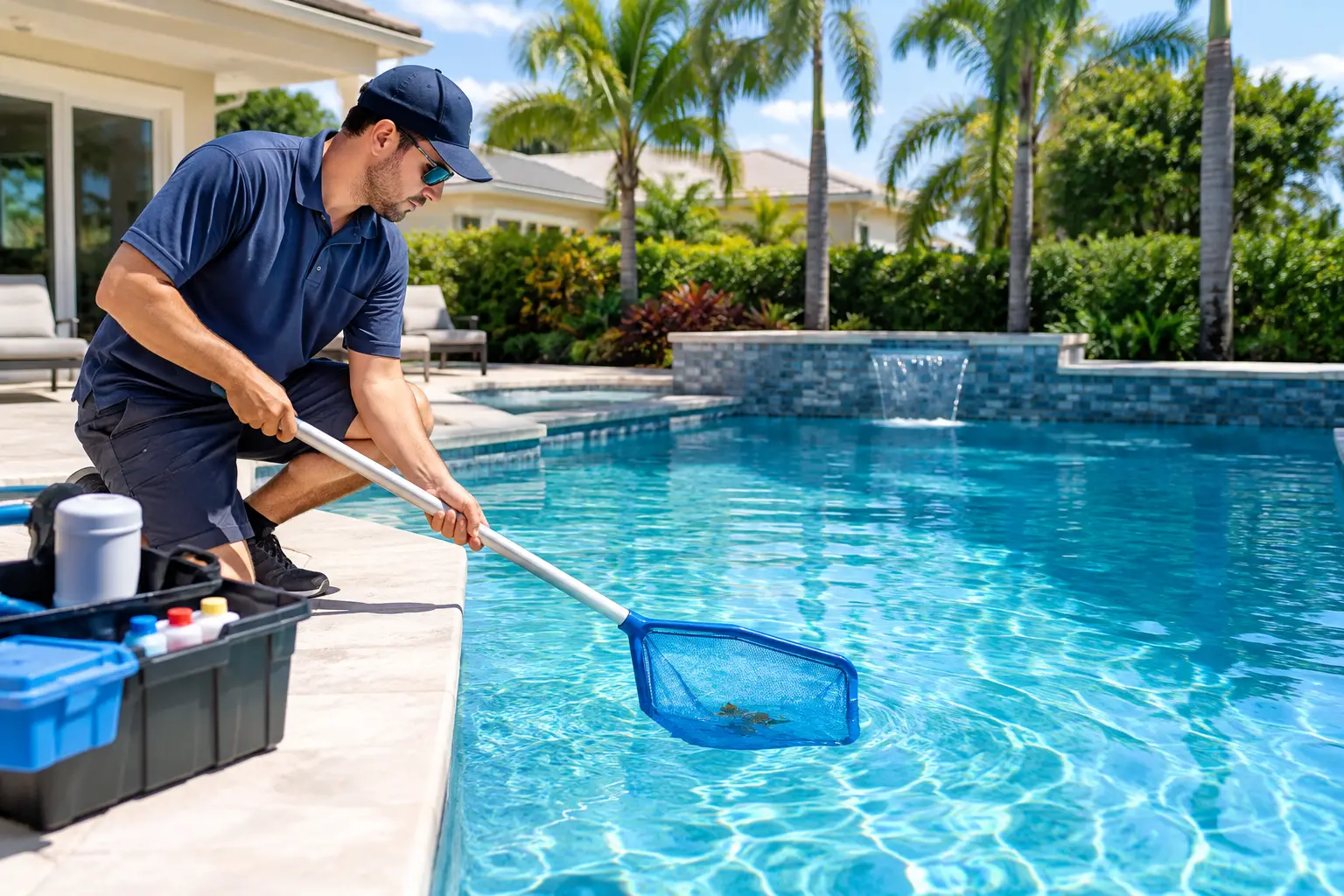
Weekly service is not just skimming leaves and emptying baskets. A properly maintained pool needs regular water testing, precise chemical balancing, surface cleaning, vacuuming and an experienced eye on the circulation system. Each task affects the next one.
When your technician records and explains the condition of the water, you have a useful history rather than a vague assurance that everything is “fine”. If chlorine demand rises, pH keeps drifting, or calcium levels begin to climb, that pattern can point to changing weather, heavy pool use, a developing equipment issue or water that needs more careful management.
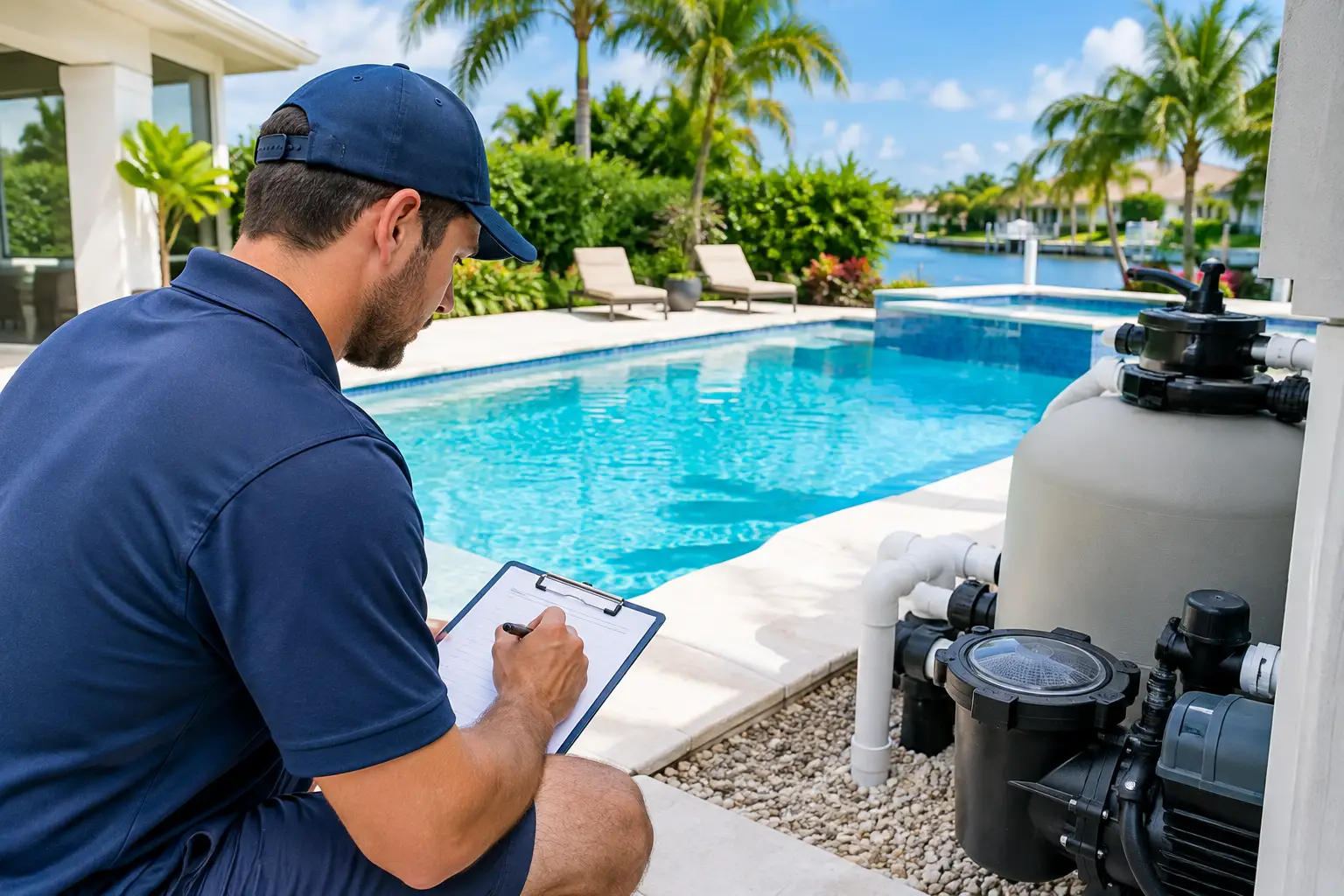
Good communication also prevents avoidable surprises. A blocked pump basket, a worn pressure gauge or a light that has stopped working may not stop the pool from operating immediately. Left unreported, however, small faults can put strain on equipment or compromise water quality. Homeowners deserve to know what has been found, how urgent it is and what the sensible next step looks like.
That does not mean every service report needs to create alarm. Florida pools face rain, heat, wind-blown debris and high bather loads. Readings can shift. The value lies in a company that can distinguish a routine adjustment from an issue that requires a repair visit, then communicates that difference plainly.
What a Clear Service Update Should Include
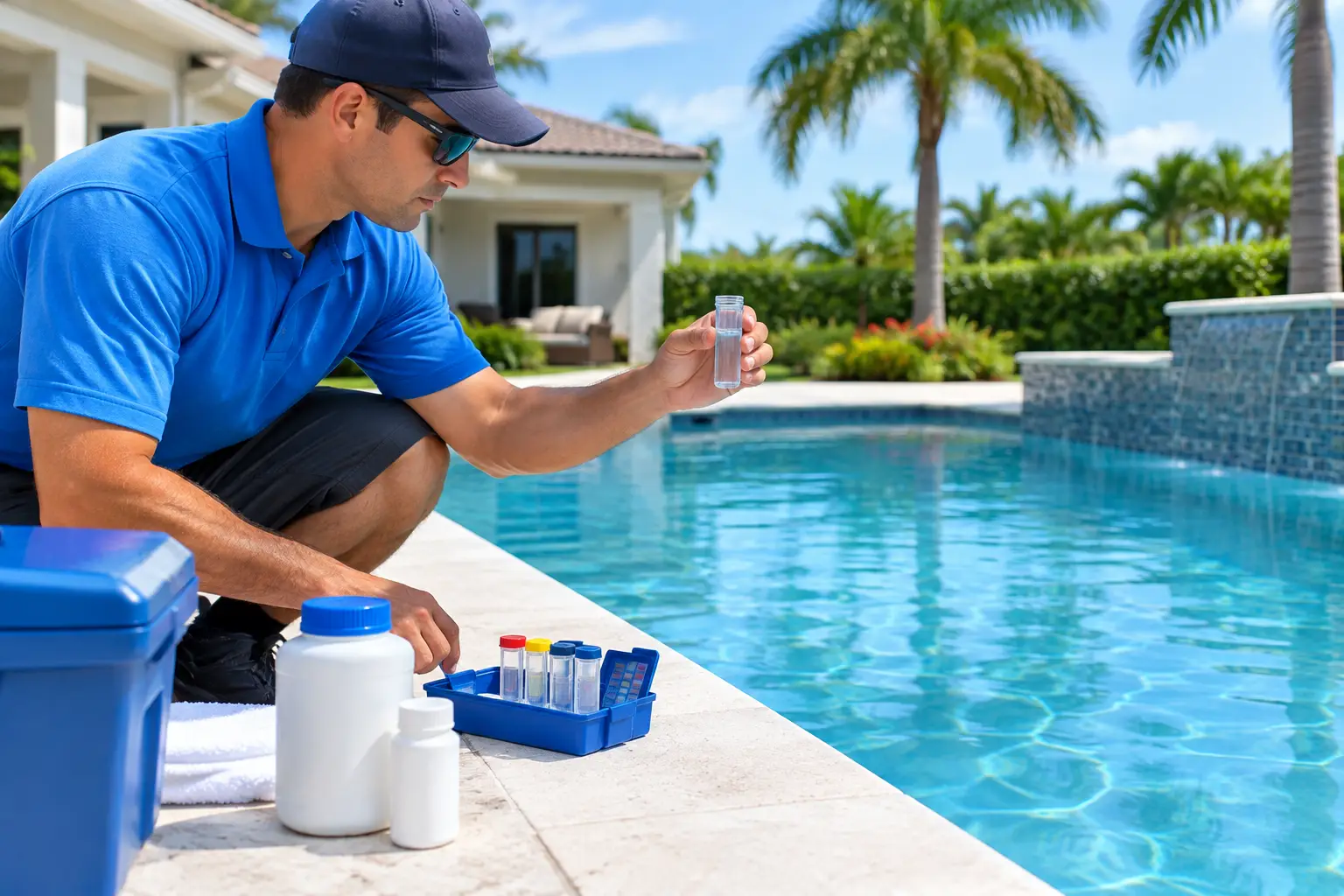
A useful post-service update should give you confidence without burying you in jargon. At minimum, it should confirm that the visit was completed and show the essential work performed, such as skimming, vacuuming, brushing where needed, basket emptying and water testing.
It should also state whether chemicals were added or adjusted. Chemical names and measurements are helpful, but context matters more. A short note that chlorine was adjusted to maintain safe sanitation, or that pH was corrected to protect comfort and equipment, tells a homeowner why the work matters.
Photographs add another level of accountability. A clear image of the pool, equipment pad or an identified concern can be particularly helpful when nobody is home during the visit. It documents the condition of the pool at that moment and avoids the frustrating uncertainty of a verbal update that arrives hours later.
For repairs, the communication should be even more specific. You should know what component is affected, whether the pool can continue operating safely, what repair is recommended and whether there are alternatives. For example, a pump repair may be the right value when the rest of the system is in good condition. In other cases, upgrading an older pump can reduce noise, improve efficiency and offer better long-term reliability. There is no single answer for every equipment pad.
Notifications Matter, But Timing Matters Too
A visit notification is a small feature with a big practical benefit. It lets homeowners know their technician is on the way or has arrived, which is useful for gated communities, pets in the garden, access arrangements and busy household schedules.
It also reinforces consistency. Weekly service should not feel like a mystery that happens somewhere between one week and the next. Knowing when your pool is being cared for makes it easier to raise a question, point out a concern or plan around a repair appointment.
The best communication is timely rather than constant. Homeowners do not need a stream of unnecessary messages. They do need prompt contact when a service cannot be completed, access is blocked, an equipment problem is discovered or water conditions require added attention. A company that communicates early gives you choices. A company that waits until the problem is obvious often leaves you with fewer.
Water Chemistry Deserves Plain-English Answers
Pool chemistry can sound technical because it is technical. Chlorine, pH, total alkalinity, calcium hardness and stabiliser all influence how clean, comfortable and protected a pool will be. Yet homeowners should not need a chemistry qualification to understand what is happening in their own water.
A good service provider explains the practical effect. Low sanitizer can allow algae and bacteria to gain ground. High or low pH can make water uncomfortable and reduce the effectiveness of chlorine. Incorrect calcium balance can contribute to etching, staining or scale, particularly on plaster surfaces and equipment.
This is especially relevant after prolonged rain, heavy entertaining or a period of unusually hot weather. Rainwater and runoff can dilute or disrupt the balance. More swimmers introduce more contaminants. High temperatures accelerate chlorine use. These conditions do not mean your pool has been neglected, but they may mean the technician needs to make a different adjustment than usual.
For a newly built or resurfaced pool, communication is essential during the first 28 days. Fresh plaster needs a structured start-up process, with frequent monitoring and carefully managed chemistry to support proper curing. Homeowners should know what to expect during this period, including why brushing may be more frequent and why the water requires close attention. Cutting corners in the first month can affect the finish for years.
When a Green Pool Needs More Than a Routine Visit
A green pool is rarely solved by simply adding a bag of shock and hoping for the best. Algae recovery may involve testing the existing water, correcting the chemistry, removing debris, brushing surfaces, cleaning filters and monitoring the pool over several stages. The right treatment depends on the severity of the algae, the condition of the equipment and how long circulation has been compromised.
Clear communication is particularly reassuring here because recovery is a process. The water may move from green to cloudy before it becomes clear. A responsible company will set realistic expectations, explain the treatment plan and update you on progress rather than promising an instant transformation that the water and filtration system cannot deliver.
The same principle applies to equipment issues. If circulation is weak, a filter is dirty or a pump is failing, chemicals alone cannot keep the pool truly clean for long. Homeowners need the full picture so they can approve the work that will actually solve the underlying problem.
Questions Worth Asking Your Pool Service Provider
The right questions can reveal whether a company treats communication as part of its service or as an afterthought. Ask how you will be notified of completed visits, whether reports include chemical information and photographs, and how urgent repairs are brought to your attention.
It is also reasonable to ask who you contact when you have a question and how quickly you can expect a response. Family-owned local service has real value when accountability matters. You want a provider that knows your pool, keeps records over time and takes ownership when something needs attention.
Ask how the company handles missed access, storm debris and changes in water conditions. In Wellington, Royal Palm Beach, Westlake and nearby communities, weather can turn quickly. A clear plan for these common situations is a sign that a company is prepared, not merely reactive.
Communication Builds the Confidence to Enjoy Your Pool
The best pool service feels dependable because the work is visible, documented and easy to understand. You know when your pool was visited. You can see its condition. You receive a straightforward explanation when chemistry, equipment or cleaning needs extra attention.
Turtle Pool Care combines hands-on weekly care with service software, visit notifications, detailed reports and photographic proof because homeowners should not have to chase answers about their own pool. That transparency supports better decisions, safer water and fewer unwelcome surprises.
A pool should be ready when life calls for it, whether that is a spontaneous afternoon swim or a full garden gathering. Choose communication that gives you peace of mind, then spend less time wondering about your water and more time enjoying it.