That pump running longer than it should, a dim pool light, or a timer that needs constant resetting can turn simple pool ownership into another household job. The right pool equipment upgrades reduce that friction. For Palm Beach County homeowners, they can also improve water quality, lower energy use and keep the pool ready for an afternoon swim without daily attention.
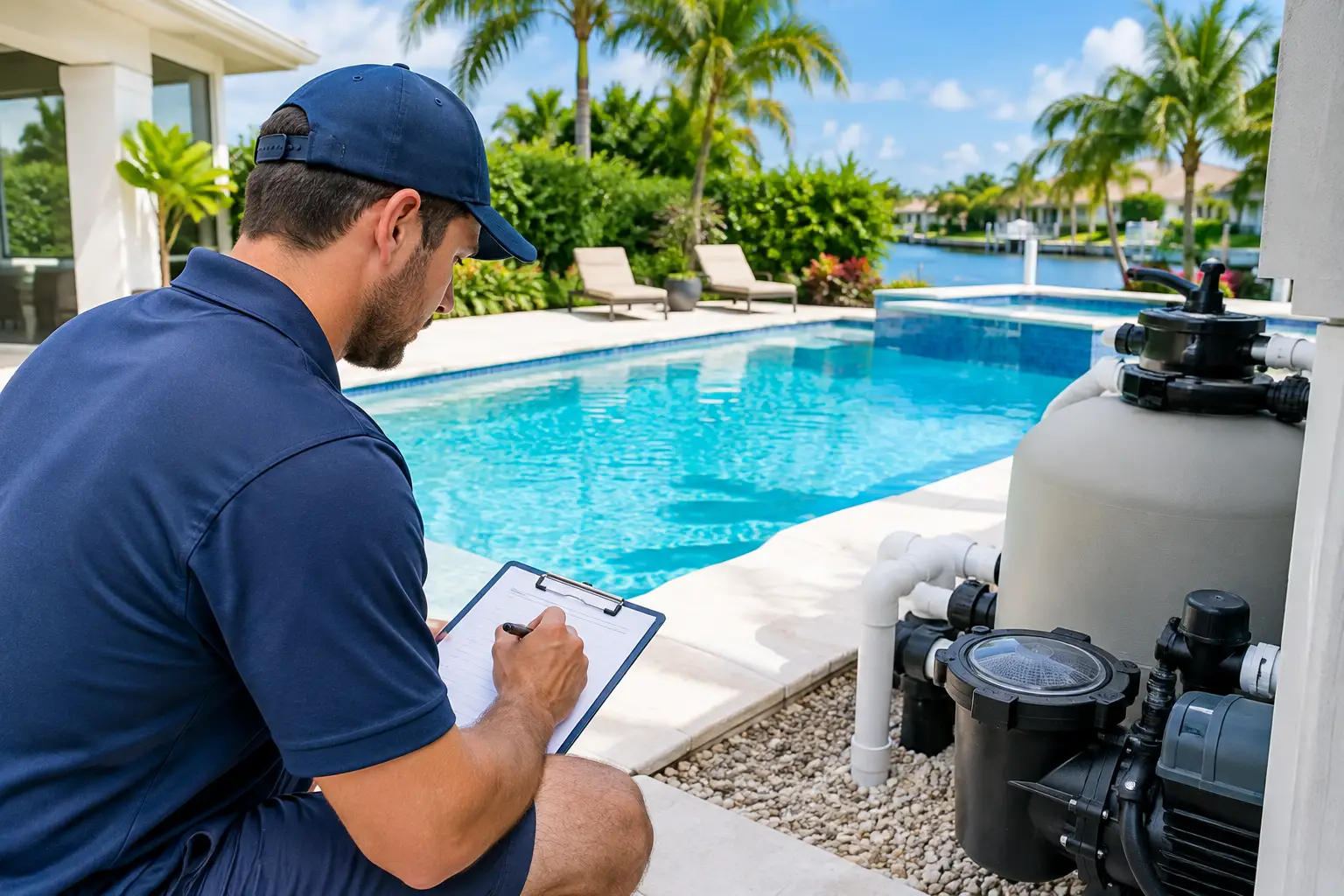
Not every older component needs replacing immediately. A well-maintained single-speed pump, filter or heater may still have useful life left. The best decision starts with how your pool is actually performing: its circulation, water clarity, energy use, noise level and the repairs it has needed lately. A professional assessment helps separate a sensible upgrade from an unnecessary replacement.
Pool equipment upgrades that make the biggest difference
For most residential pools, circulation comes first. Everything else - chemical distribution, filtration, algae prevention and clear water - depends on water moving properly through the system. When circulation is weak or inconsistent, no amount of extra brushing or chemicals fully solves the underlying issue.
A variable-speed pump
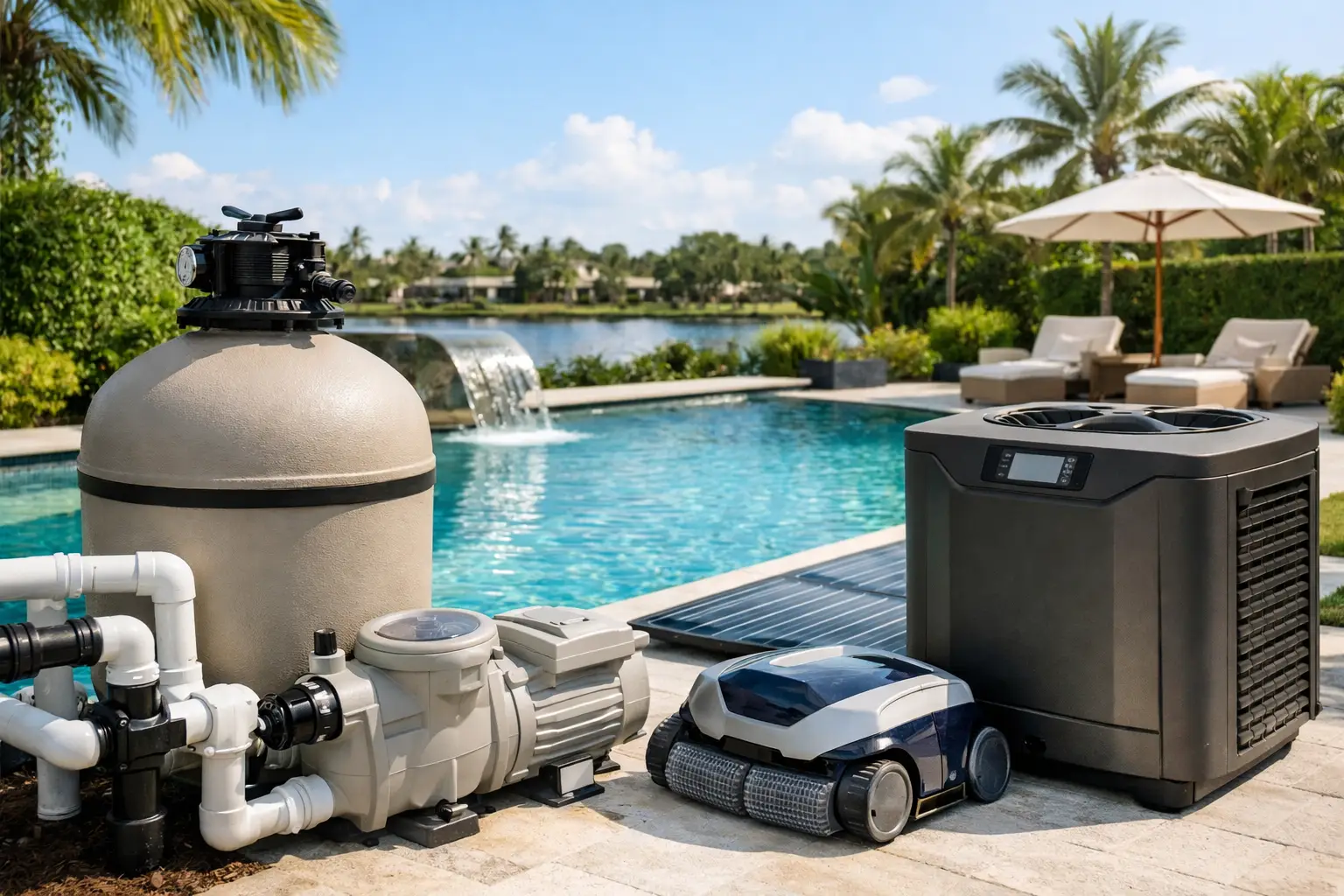
A variable-speed pump is often the most meaningful equipment change for a Florida pool. Unlike an older single-speed pump that runs at one high setting, it can operate at lower speeds for routine filtration and increase only when the pool needs more flow, such as during vacuuming, heating or a water-feature cycle.
The practical benefit is quieter, more efficient circulation. Running a pump more slowly for longer can filter water effectively while using considerably less electricity than short, high-speed cycles. It also gives a pool professional more control when setting the run schedule around your pool’s size, plumbing, bather load and equipment.
There are trade-offs. Variable-speed pumps cost more up front, and the wrong program can leave water under-circulated. The aim is not simply to run the pump at the lowest possible speed. It is to establish sufficient turnover, reliable skimmer action and proper flow through the filter, heater and sanitation equipment.
Modern automation and smart controls
Pool automation is useful when it removes real chores, not when it adds another app to manage. A modern controller can schedule pump speeds, lights, heaters and water features from one place. Some systems also allow homeowners to make simple changes remotely, which is handy before guests arrive or after a storm interrupts a normal routine.
For busy families, automation brings consistency. The filtration schedule continues when weekends get full, and equipment is less likely to be left running overnight by mistake. It can be particularly worthwhile for pools with heaters, spas, waterfalls or several lighting zones.
Compatibility matters here. Existing pumps, heaters and lights do not always communicate with every automation platform, so a system should be planned as a whole. Sometimes replacing one failing control is enough. In other cases, installing compatible equipment together provides a cleaner result and avoids paying twice for labour later.
LED pool lighting
A faded or unreliable light is more than a cosmetic issue. Good pool lighting makes steps, benches, ledges and depth changes easier to see after sunset. That means safer evening swimming and a more inviting space for family dinners or entertaining.
LED lights use less power and typically last much longer than older incandescent options. White LEDs provide crisp visibility, while color-changing lights can create a relaxed look for a weekend gathering. The best choice depends on whether your priority is straightforward illumination, a particular ambience or both.
Lighting upgrades should always be handled carefully. Pool lights involve electrical connections, niches, seals and water. If a light is tripping a breaker, taking on water or no longer working reliably, it needs proper diagnosis rather than repeated bulb changes.
Start with the equipment you already have
An upgrade should solve a specific problem. If the pool is cloudy despite regular service, the issue might be a worn pump, but it could also be a dirty or undersized filter, a suction-side air leak, poor return positioning or unbalanced water chemistry. Replacing parts without finding the cause can be expensive and frustrating.
A good equipment review looks at the system in operation. Is the pump priming properly? Does the pressure gauge reflect normal filter conditions? Are returns pushing water evenly? Is the skimmer pulling in surface debris? Are valves, unions and lids showing leaks or wear? These details reveal whether an upgrade will produce the result you expect.
This approach also protects the equipment that stays. A new pump cannot perform at its best with a blocked filter or restrictive plumbing. Likewise, a new salt chlorinator will struggle if water balance and circulation are inconsistent. Pool equipment works as a system, not as a set of isolated boxes on the pad.
Upgrades that support cleaner, safer water
Some improvements are less visible than a new light or control panel, yet they make weekly care more dependable. A properly sized filter upgrade can improve particle removal and reduce the effort needed to keep water polished. The right choice depends on the pool and maintenance preferences: cartridge filters offer large surface area and no backwashing, while sand and DE filters have different cleaning and filtration characteristics.
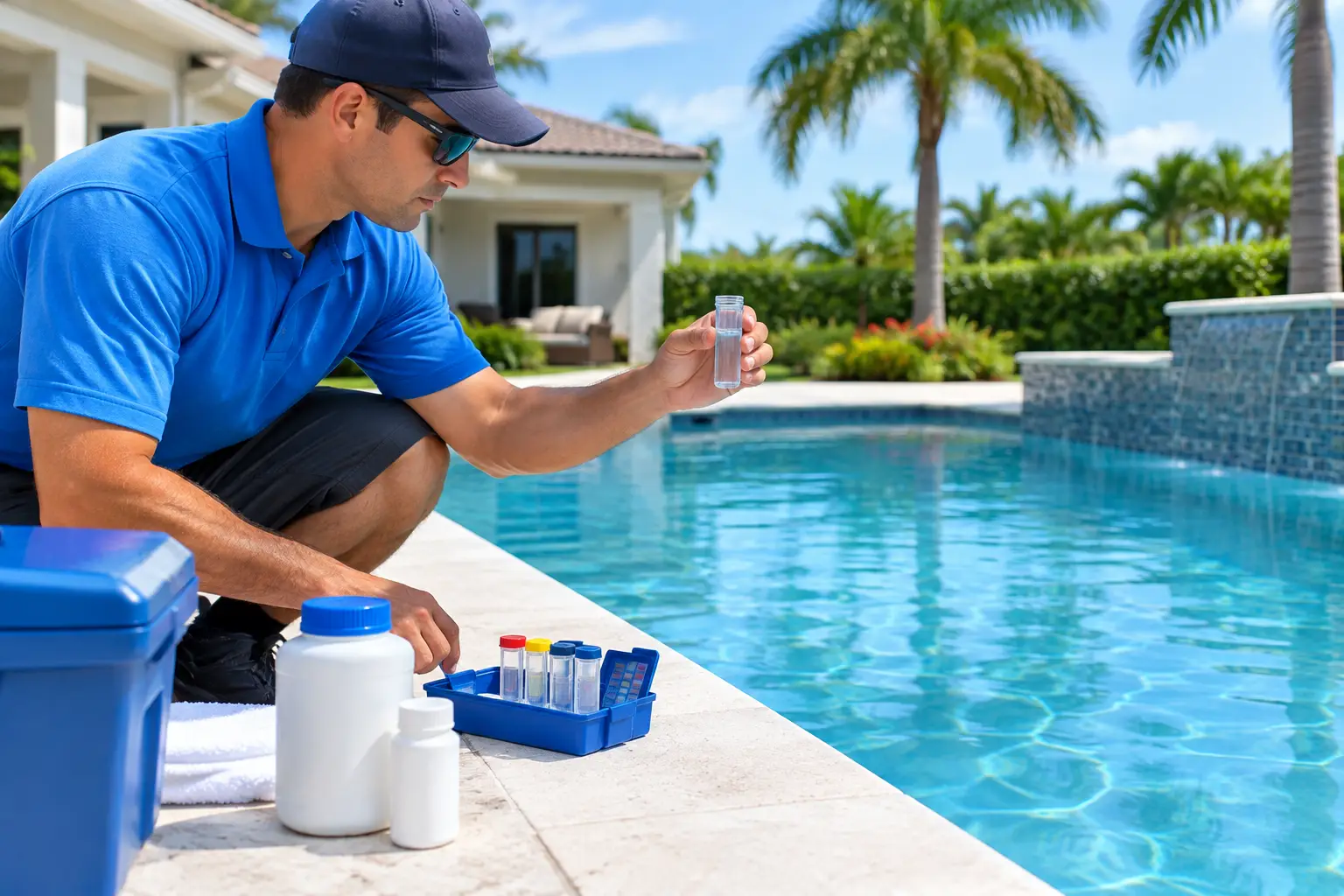
Salt chlorine generators are another option for homeowners who want a steadier chlorine supply. They do not create chlorine-free water, and they still require testing, balancing and cleaning. But when sized and maintained correctly, they can make sanitation more consistent and reduce the need for frequent manual chlorine additions.
If your pool uses a heater, a heat pump or modern heater control may also be worth discussing. Heating equipment is a larger investment, so the value depends heavily on how often your household swims during cooler spells, whether you have a spa and how quickly you want the water warmed. For a pool used mainly in the hottest months, that money may be better directed towards circulation or automation first.
Timing an upgrade before a breakdown
Waiting until equipment fails completely is understandable, but it is not always the least stressful option. A pump that is grinding, leaking, losing prime or repeatedly tripping can stop circulation at the worst time - often when warm weather and heavy use make algae more likely. A filter tank with cracks, a damaged multiport valve or a light that is intermittently failing deserves attention before it becomes an urgent repair.
Planned replacement gives you time to compare options and choose equipment that fits your pool, rather than accepting whatever is immediately available. It also lets the installer coordinate plumbing, electrical requirements and automation settings properly.
For newer pools, it is wise to consider the equipment plan early in the ownership cycle. During the first 28 days after a new plaster finish, careful chemistry and circulation are essential to support curing. Once the start-up period is complete, a properly configured pump and filtration schedule will help protect the finish and maintain that turtly clean look.
What a professional installation should include
The equipment itself is only part of the upgrade. Correct installation includes checking the pump’s flow direction and plumbing connections, setting a suitable schedule, confirming filter pressure, inspecting for leaks and verifying that water is circulating through every part of the system. With automation, controls should be labelled clearly and explained in plain language.
At Turtle Pool Care, the goal is to recommend practical changes that suit the pool rather than sell equipment for the sake of it. Ongoing weekly reports and photographic service records can also make it easier to spot performance changes over time, before they affect water quality or your plans to use the pool.
A pool should feel like part of home life, not a machine that constantly needs attention. If your equipment is noisy, costly to run or no longer keeping water clear, start with a careful assessment and make the upgrade that gives you the most dependable improvement. That is how a Florida pool stays safe, perfectly balanced and ready whenever the family is.