A warm pool can turn a few good swimming weeks into a much longer season. But when homeowners compare a pool heat pump versus gas heater, the best choice is rarely just about which unit heats water fastest. Your family’s swim habits, pool size, desired temperature, utility setup and tolerance for operating costs all matter.
For many residential pools in western Palm Beach County, both options can be excellent. The difference is in how they deliver heat and how that fits your routine. A well-matched heater, properly installed and maintained, helps keep the water comfortable without creating a surprise every time the utility bill arrives.
Pool Heat Pump Versus Gas: The Core Difference
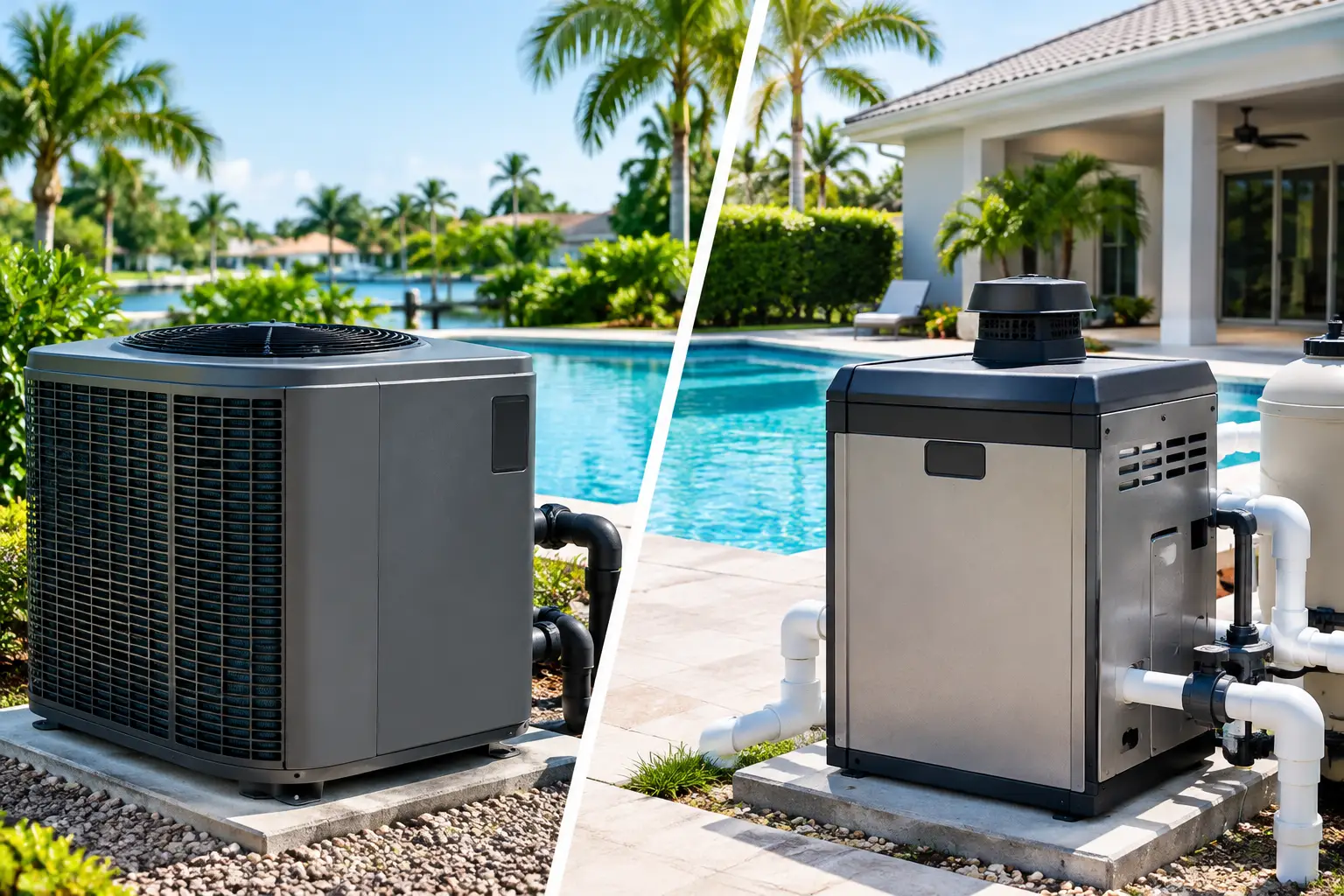
A pool heat pump uses electricity to capture warmth from the surrounding air and transfer it into the pool water. It does not create heat in the same way an electric resistance heater does. Because Florida typically provides plenty of warm ambient air, a heat pump can be an efficient option for maintaining a pool at a steady temperature.
A gas pool heater burns natural gas or propane to generate heat. It can raise water temperature quickly, including during cooler, cloudy or windy weather when a heat pump has less warmth available to collect from the air.
That basic distinction leads to the biggest practical trade-off: heat pumps usually cost less to operate over time in favourable weather, while gas heaters deliver faster heating and greater flexibility when you want the pool ready on short notice.
When a Heat Pump Makes Sense
A heat pump is often a strong choice for households that use the pool regularly and prefer to maintain a consistent temperature through the season. Rather than waiting until Friday afternoon to start heating for a weekend swim, the system can hold the water near your preferred setting with gradual, efficient operation.
Florida’s mild weather works in a heat pump’s favour. The warmer the outdoor air, the more efficiently the unit can generally operate. If your family swims several times a week, or you want the pool comfortable for children, visiting relatives or daily exercise, that steady approach can be especially appealing.
Heat pumps also take longer to raise the water temperature. That is not a flaw when the pool is used routinely, but it can be frustrating for an owner who only wants heat for occasional gatherings. A heat pump may need a day or more of run time to make a meaningful change, depending on the pool’s water volume, starting temperature, target temperature, weather and whether the pool is covered.
Noise and placement deserve consideration, too. A heat pump has a fan and compressor, so it needs adequate airflow and should be located thoughtfully near patios, windows and property lines. It also requires appropriate electrical capacity. These are installation details best evaluated by a qualified pool equipment professional, not guessed at after the unit has arrived.
When a Gas Heater Is the Better Fit
A gas heater is built for speed. If the water is cool and you want to use the pool tonight, a properly sized gas heater can make that possible far more quickly than a heat pump. This is why it can be the better choice for homes where pool use is occasional, spontaneous or centred around weekends and holidays.
It is also a practical option for homeowners who want reliable heating performance during the coolest parts of the year. While winter weather in our area is generally mild, cold nights, rain and wind can pull heat from the water quickly. A gas heater is less dependent on outdoor air temperature, which gives it an advantage when conditions are not ideal.
The trade-off is fuel consumption. Heating a pool quickly takes energy, and gas operating costs can be higher, particularly if the heater runs frequently or the pool is heated to a high temperature. A gas heater is often most economical when used strategically - for planned events, short bursts of heating or a spa that needs to reach temperature promptly.
Your available fuel source matters. Natural gas availability, propane storage needs, equipment location and proper venting all affect whether a gas heater is a straightforward installation. Those factors should be reviewed before choosing a model, not treated as an afterthought.
Operating Cost Depends on How You Use the Pool
It is tempting to ask which heater is cheaper, but the more useful question is: cheaper for what kind of use?
For consistent pool heating through warm months, a heat pump frequently has the advantage because it moves heat rather than producing it through fuel combustion. For fast, occasional heating, a gas unit may provide better value despite a higher cost per hour because it does not need to run for as long.
The pool itself plays a major role. A large pool takes more energy to heat than a small one. Water features, spillovers and exposed surfaces lose heat faster. Shaded pools can start cooler, while a screened enclosure can change how much wind affects the water. Even a few degrees of desired temperature can noticeably affect run time and energy use.
A pool cover can make a meaningful difference for either system. Much of a pool’s heat loss occurs at the water surface, particularly overnight. Reducing evaporation helps retain the heat you have already paid for, and it can reduce the workload on the heater. The right cover should fit the pool and your routine, so it is actually used rather than stored away after a week.
Sizing Is More Important Than Most Homeowners Expect
The wrong size heater can make either technology disappoint. An undersized unit may run for long periods without delivering the comfort you expected. An oversized unit can cost more upfront and may not be the most sensible match for the pool and your usage pattern.
Proper sizing considers pool gallons, surface area, exposure to sun and wind, desired water temperature, expected months of use and whether you are heating a connected spa. A spa changes the conversation because it needs rapid temperature recovery and usually benefits from gas heating, even when a heat pump is a good fit for the pool itself.
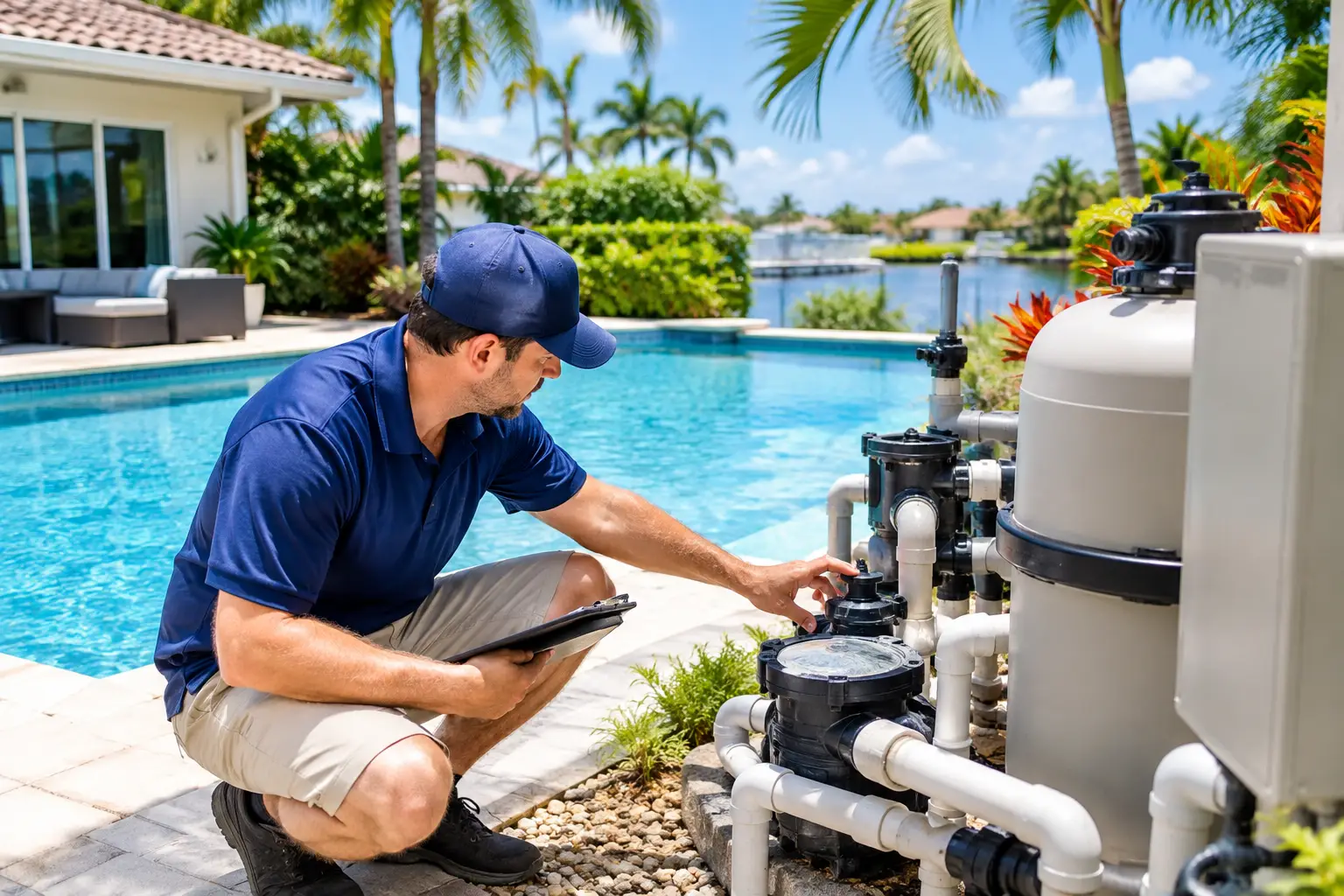
Equipment condition matters as well. Restricted water flow, a dirty filter, failing pump, plumbing issue or automation setting can affect heater performance. Before replacing a heater, it is wise to look at the full equipment pad. Sometimes the issue is not that the existing heater type is wrong. It is that the system around it is not moving water or communicating as it should.
Maintenance and Day-to-Day Care
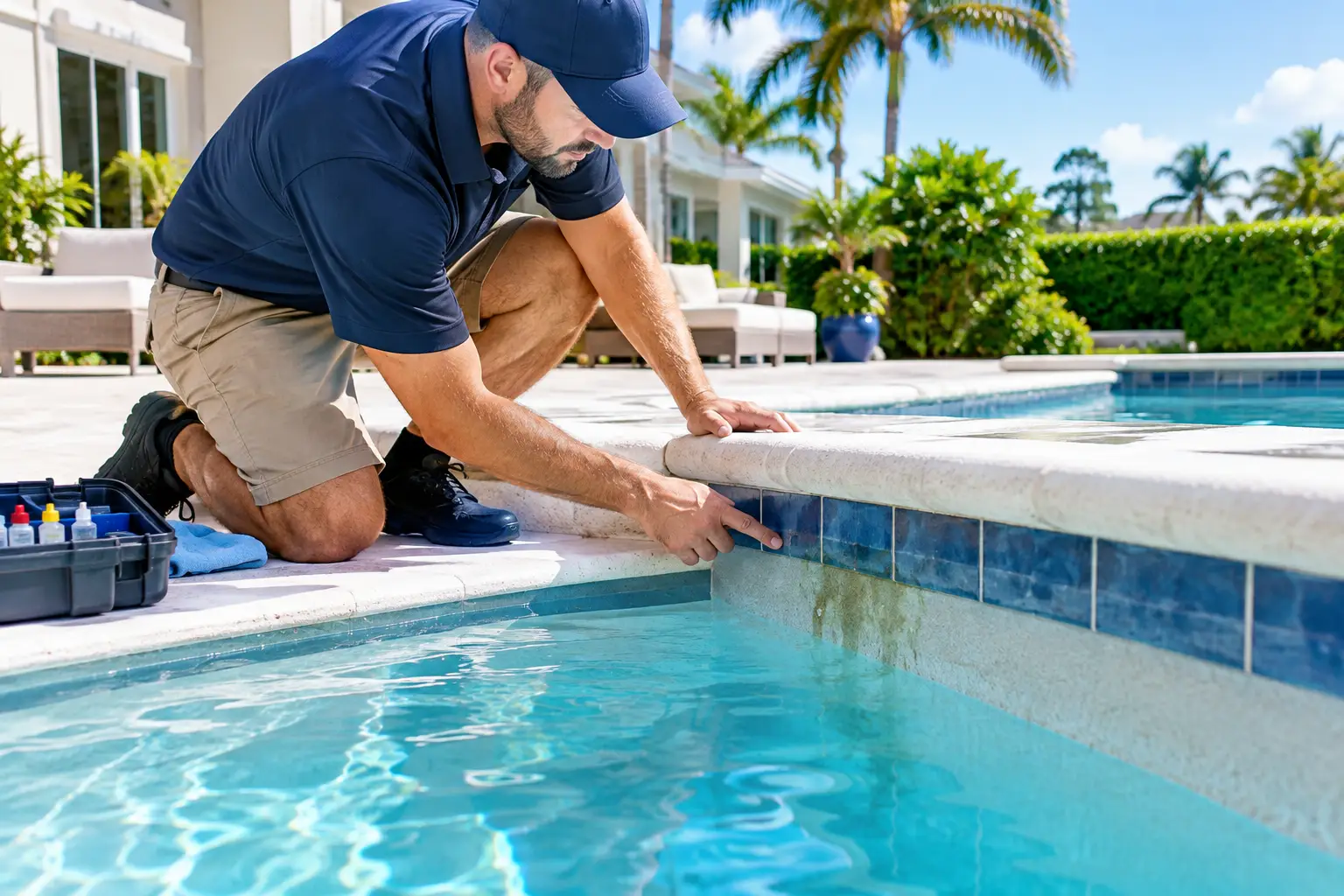
Both heater types benefit from balanced water chemistry and regular equipment attention. Water that is too acidic, poorly balanced or overly scaled can be hard on pool equipment. Maintaining healthy chemistry protects more than the water’s appearance - it helps protect the investment sitting beside the pool.
Heat pumps need clear airflow around the cabinet and periodic inspection of the coil, fan and electrical components. Gas heaters need professional attention to combustion-related components, ignition systems and venting. Homeowners should keep the area around any heater clear and report unusual noises, error messages, leaks or performance changes promptly. Gas and electrical repairs should always be left to qualified professionals.
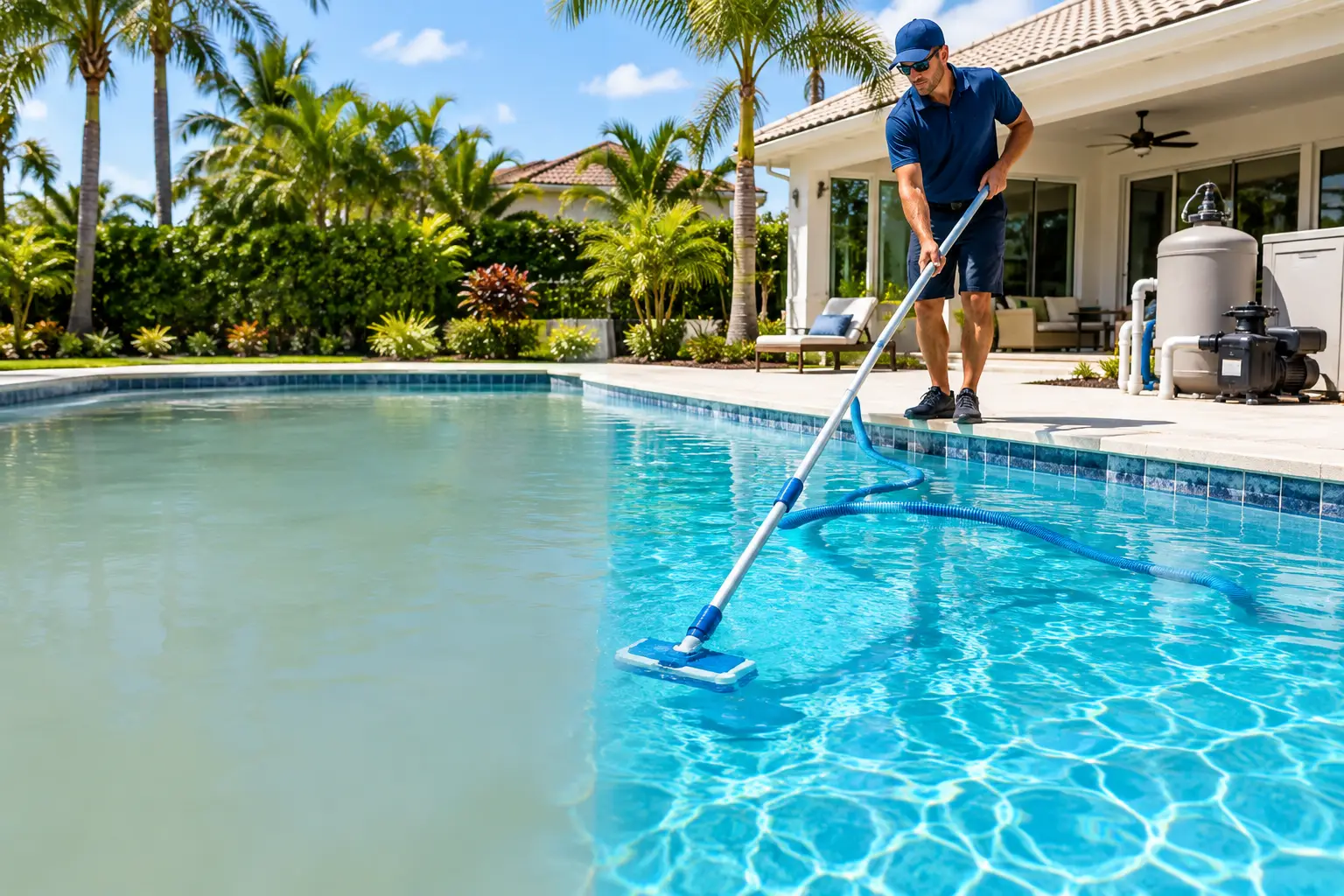
Routine weekly pool service also helps catch equipment concerns early. During a normal visit, visual inspection can reveal signs such as reduced return flow, air in the system, leaks or a heater that is not responding as expected. Addressing a small issue early can prevent a cancelled swim day later.
Choosing for Your Household, Not a Sales Sheet
Choose a heat pump if you want efficient, steady heating and expect to use the pool often enough to keep it near a set temperature. Choose gas if fast warm-up, cold-weather flexibility or occasional on-demand use matters more than continuous efficiency.
Some homes may benefit from a combination approach, particularly when a spa is part of the setup or when the family has very different needs across the year. Automation can also make a major difference by scheduling circulation, managing temperature settings and helping you avoid running equipment longer than necessary.
For homeowners in Wellington, Westlake, Royal Palm Beach, Loxahatchee and nearby communities, the best answer usually comes from looking at the actual pool, equipment pad and swim routine. Turtle Pool Care can help assess the practical details so your choice supports comfortable water, dependable equipment and more time enjoying a turtly clean pool.
The right heater should fit the way you live, not force your family to plan every swim around the equipment. Start with when you want to swim, how quickly you need warm water and how you prefer to manage ongoing energy use. Those answers will point you toward the system that brings the most peace of mind.