A pool can look clear on Monday and become cloudy, poorly circulated or algae-prone by the weekend when its pump is struggling. Prompt pool pump repair protects more than the equipment itself: it keeps water moving through the filter, helps chemicals circulate properly and gives your family a pool that is safe and ready to enjoy.
The pump is the working heart of the pool system. It pulls water through the skimmer and main drain, sends it through the filter and returns cleaned, treated water to the pool. When that process slows or stops, even careful chemical balancing has less chance of doing its job. Knowing what to watch for can prevent a small fault from becoming an expensive interruption to your pool time.
Signs Your Pool Pump Needs Attention
Some pump problems announce themselves loudly. A grinding, screeching or rattling motor is not normal operating noise, particularly if the sound has appeared suddenly or grown worse. These sounds can point to worn bearings, a failing motor or debris affecting the impeller.
Other warning signs are easier to miss. Weak water flow from the return jets, a pressure gauge reading that is unusually high or low, air bubbles entering through the return lines, or a pump basket that will not stay full of water can all indicate a circulation issue. You may also notice that the pool becomes dull more quickly, requires more frequent chemical adjustment or develops algae despite a normal cleaning routine.
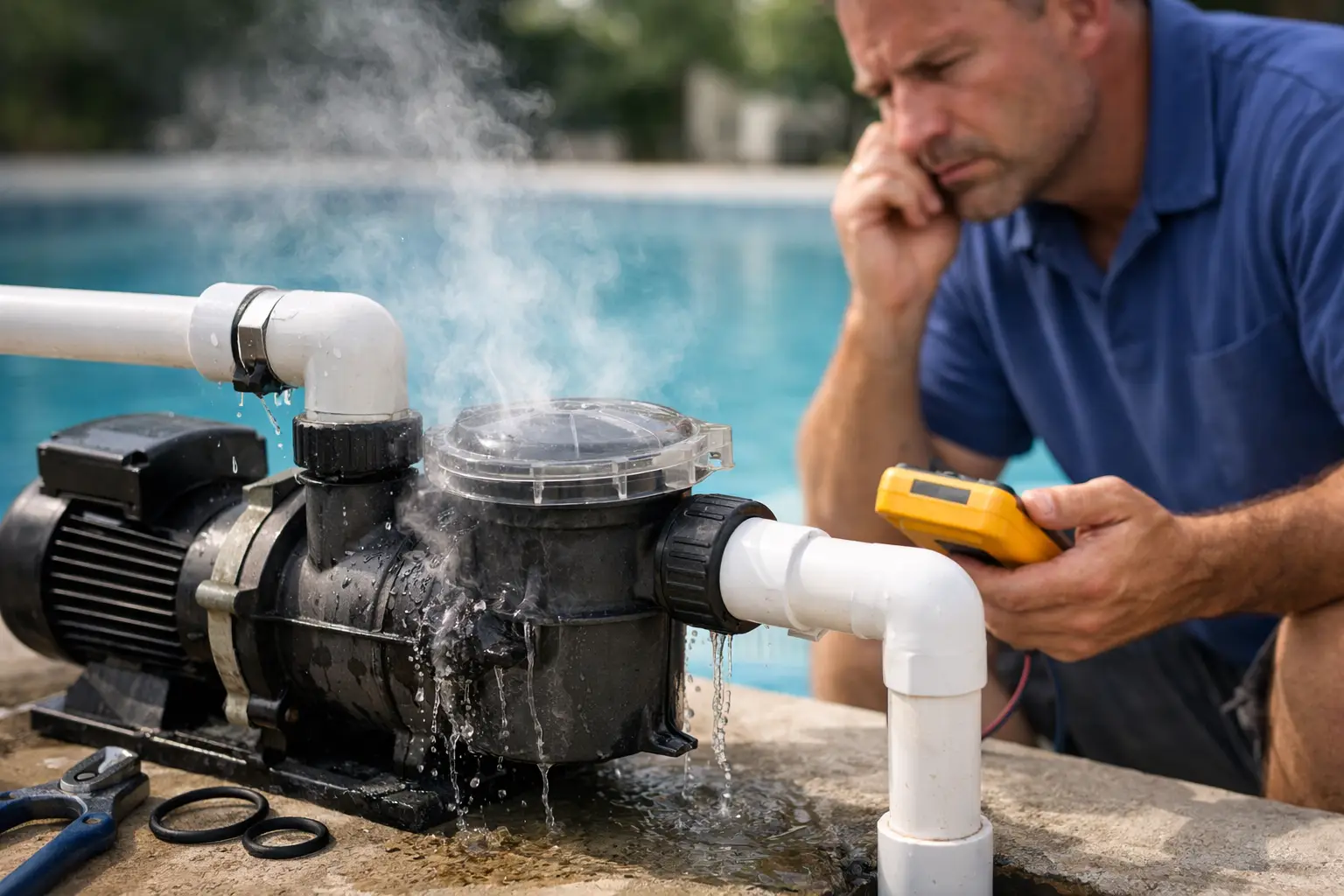
A leaking pump deserves attention as well. Water around the pump housing may come from a loose union, damaged O-ring, cracked fitting or failing shaft seal. A small leak may seem harmless, but it can draw air into the system, reduce prime and eventually affect the motor. Water near electrical equipment should always be treated seriously.
Why a Pump Can Lose Prime
A pump is designed to move water, not air. If the clear pump lid is full of air or the basket repeatedly empties when the system turns off, the pump may be losing prime. This is often caused by an air leak on the suction side of the system, before water reaches the pump.
The simplest causes are also the most common: a dirty or poorly seated lid O-ring, a loose pump-lid seal, low pool water level or a blocked skimmer basket. A worn O-ring can usually be cleaned, lubricated with a pool-safe silicone lubricant and replaced if it is flattened, cracked or stretched. Keeping the water level around the middle of the skimmer opening also helps prevent the skimmer from drawing air.
The cause is not always obvious, though. A damaged valve, underground plumbing leak or faulty fitting can produce the same symptoms. Repeatedly adding water to the pump basket may get it running temporarily, but it does not solve the underlying problem. If the pump will not hold prime, a proper inspection is the sensible next step.
Check the Easy Things First
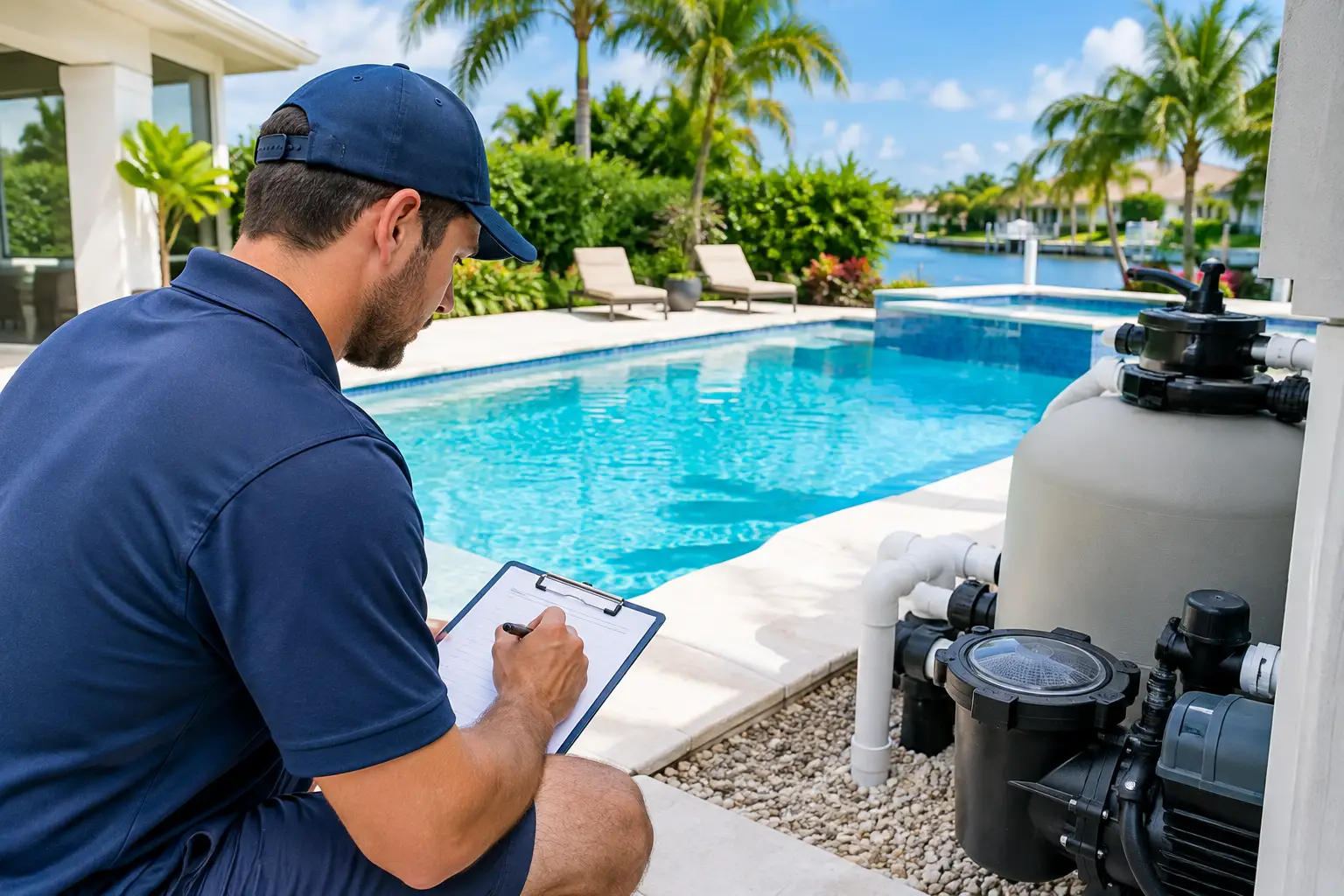
Before assuming the motor has failed, switch the equipment off at the breaker and check the basics. Empty the skimmer and pump baskets, confirm the water level is adequate and look for visible cracks, drips or loose fittings around the pump. If your filter has a pressure gauge, note the reading rather than relying on memory. A changing reading gives useful clues during diagnosis.
Do not put hands or tools inside a pump while power is connected, and do not continue running a pump that is dry, smoking or tripping the breaker. A dry-running pump can overheat quickly, while a tripping breaker may signal a motor or electrical fault that requires qualified attention.
Common Pool Pump Repair Issues
A blocked impeller is a frequent cause of poor flow. Leaves, seed pods, mulch and small debris can make their way past a basket and restrict the impeller. The pump may hum, run louder than usual or produce weak returns. Clearing an impeller should be done carefully with the system isolated, as the correct method depends on the pump model and access to the impeller.
Motor bearings are another common issue in long-serving pumps. A high-pitched whine or rough grinding sound often gets louder over time. In some cases, replacing bearings or the motor can extend the life of the pump. The right choice depends on the age of the unit, the condition of the pump housing and whether other parts are likely to fail soon.
A failed shaft seal typically causes water to leak between the motor and pump housing. This is a repair worth addressing quickly because leaking water can damage the motor. Likewise, a capacitor issue may leave a pump humming without starting. Although the part itself can be modest, electrical diagnosis and safe replacement matter.
Not every circulation problem is a pump problem. A dirty filter, closed valve, clogged skimmer line or incorrect multiport valve setting can restrict flow. This is why effective pool pump repair begins with diagnosis rather than replacing parts by guesswork.
Repair or Replace the Pool Pump?
Repair is often the practical option when the issue is isolated. Replacing a seal, lid, capacitor, O-ring or damaged fitting can restore reliable operation without the cost of a new pump. A newer pump with a sound motor and housing is usually a good candidate for targeted repair.
Replacement may make more sense when a single-speed pump has an ageing motor, repeated leaks, noisy bearings and a history of breakdowns. It can also be worth considering when repair costs are approaching a meaningful share of a new unit. Putting significant money into an old pump may buy time, but it may not offer the best long-term value.
A variable-speed pump can cost more upfront than a basic replacement, yet it offers lower-speed operation for much of the day and can reduce energy use significantly. The trade-off is that the pump needs to be sized and programmed correctly for your pool, plumbing and features. More speed is not always better. Running a pump harder than necessary can waste electricity, increase noise and place unnecessary strain on the system.
For homeowners in Wellington, Royal Palm Beach, Westlake and nearby communities, the right replacement should suit the way the pool is actually used. A pool with a spa, water feature, salt system or in-floor cleaning equipment may have different flow requirements from a straightforward residential pool.
Protecting Water Quality While the Pump Is Down
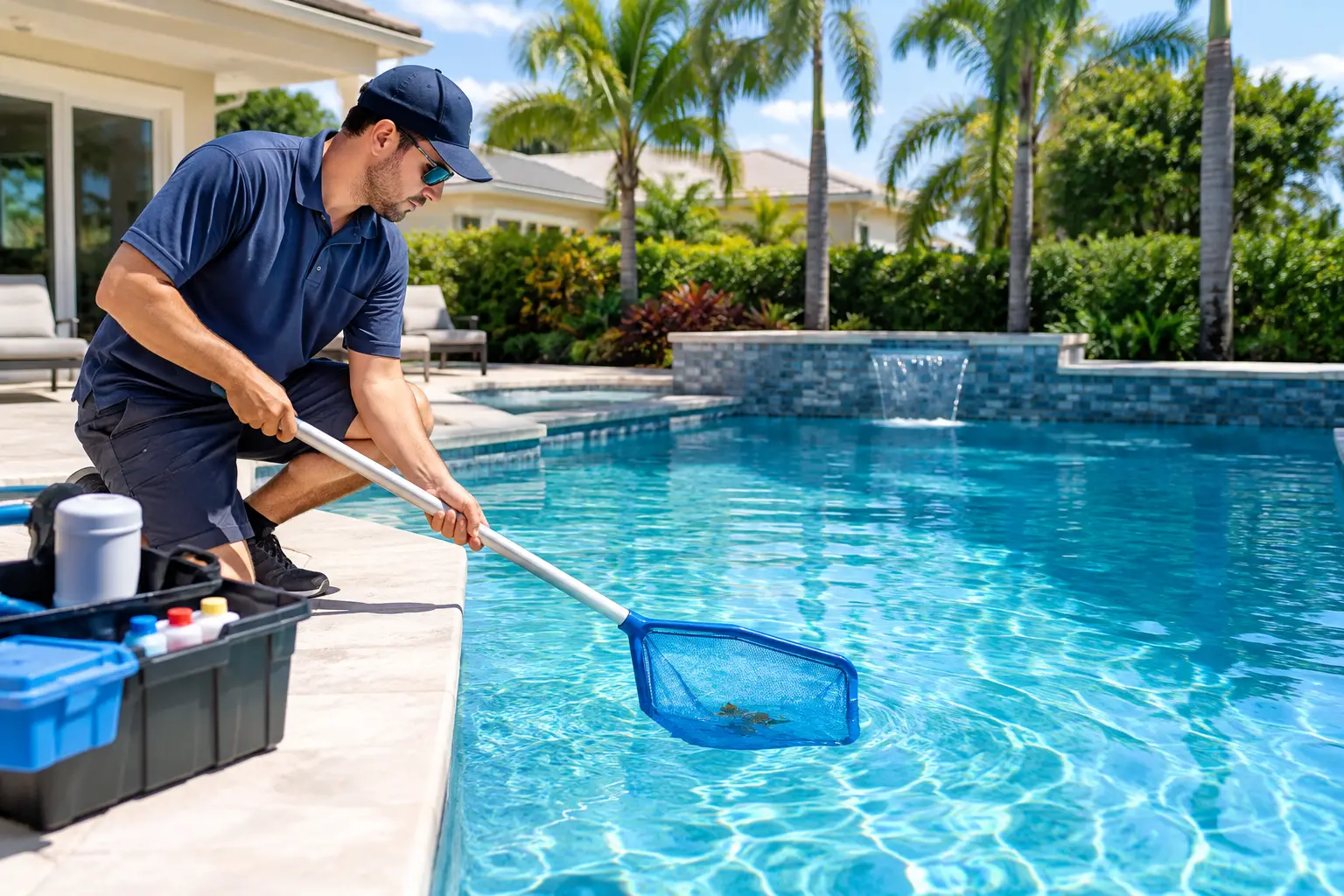
When circulation stops, avoid treating the pool as if it is operating normally. Adding chemicals without circulation can lead to uneven distribution, staining risk or concentrated products sitting in one area. Remove leaves and visible debris, keep the pool covered only if conditions allow, and arrange service as soon as possible.
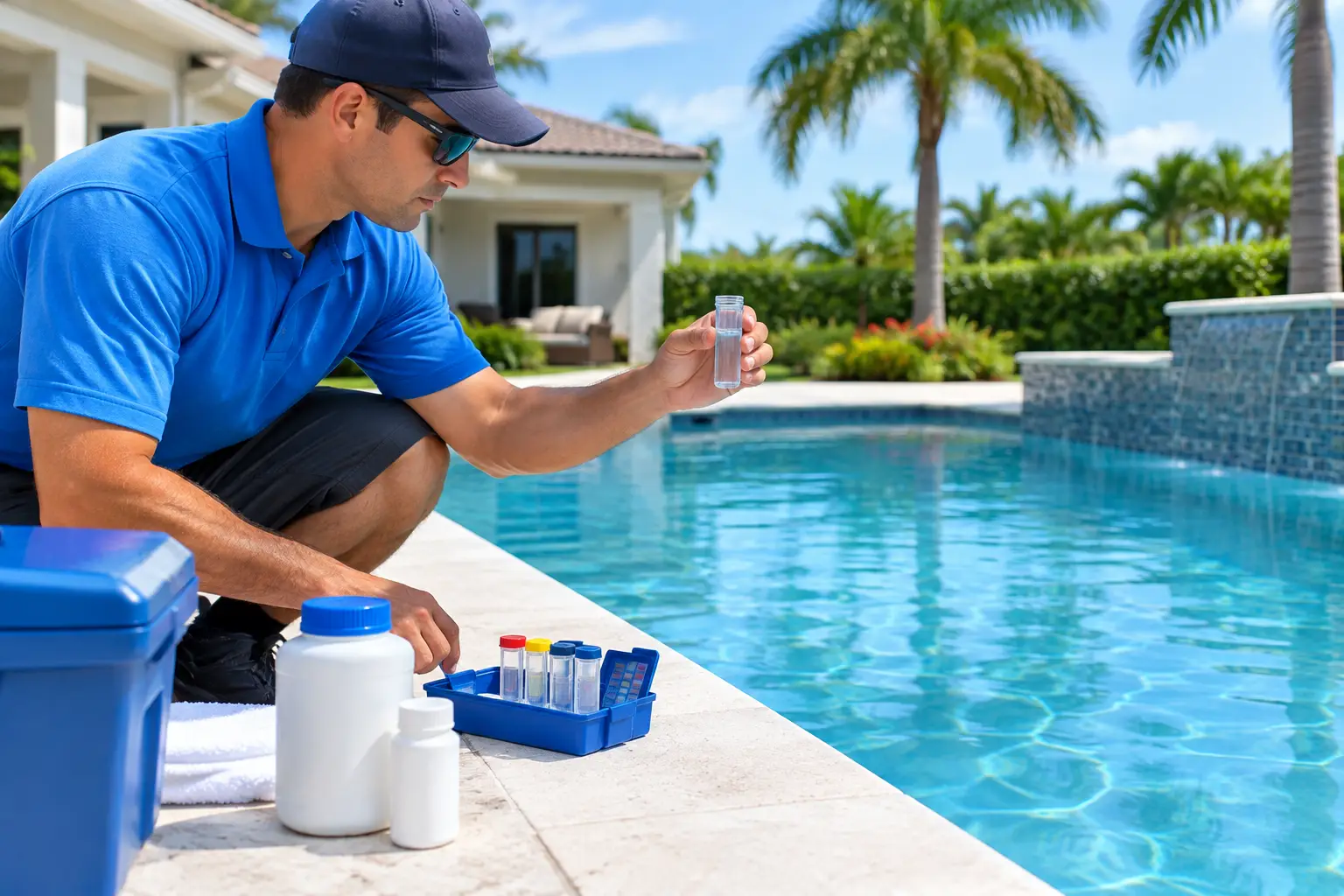
In warm, wet conditions, water can change quickly. Algae growth is more likely when circulation and sanitizer distribution are interrupted, particularly after storms or heavy pool use. Once the pump is repaired, the water should be tested and balanced, the filter checked and the pool brushed as needed to restore even circulation throughout the basin.
This is also a good time to review the wider equipment pad. A properly maintained pump depends on clean baskets, a healthy filter, sound valves and regular attention to water chemistry. Weekly service helps identify small changes in pressure, noise and flow before they become a no-swim problem.
A Safer, More Reliable Way to Handle Pump Problems
Pool equipment combines water, electricity and pressurised plumbing, so a quick online fix is not always the safest or cheapest answer. Take note of the symptoms, when they began and whether they occur at start-up or throughout the run cycle. That information helps a technician diagnose the fault efficiently and recommend repair or replacement with clear reasoning.
Turtle Pool Care approaches pump concerns with the same careful attention used for weekly chemistry and equipment checks: inspect the system, identify the real cause and document the work completed. The aim is not simply to get the motor running again, but to return your pool to safe, balanced and turtly clean operation.
If your pump is making a new noise, losing prime or delivering weak flow, acting early can protect both the equipment and the water you enjoy. A small repair handled at the right time can be the difference between a brief service visit and a pool that is out of action when your family wants it most.