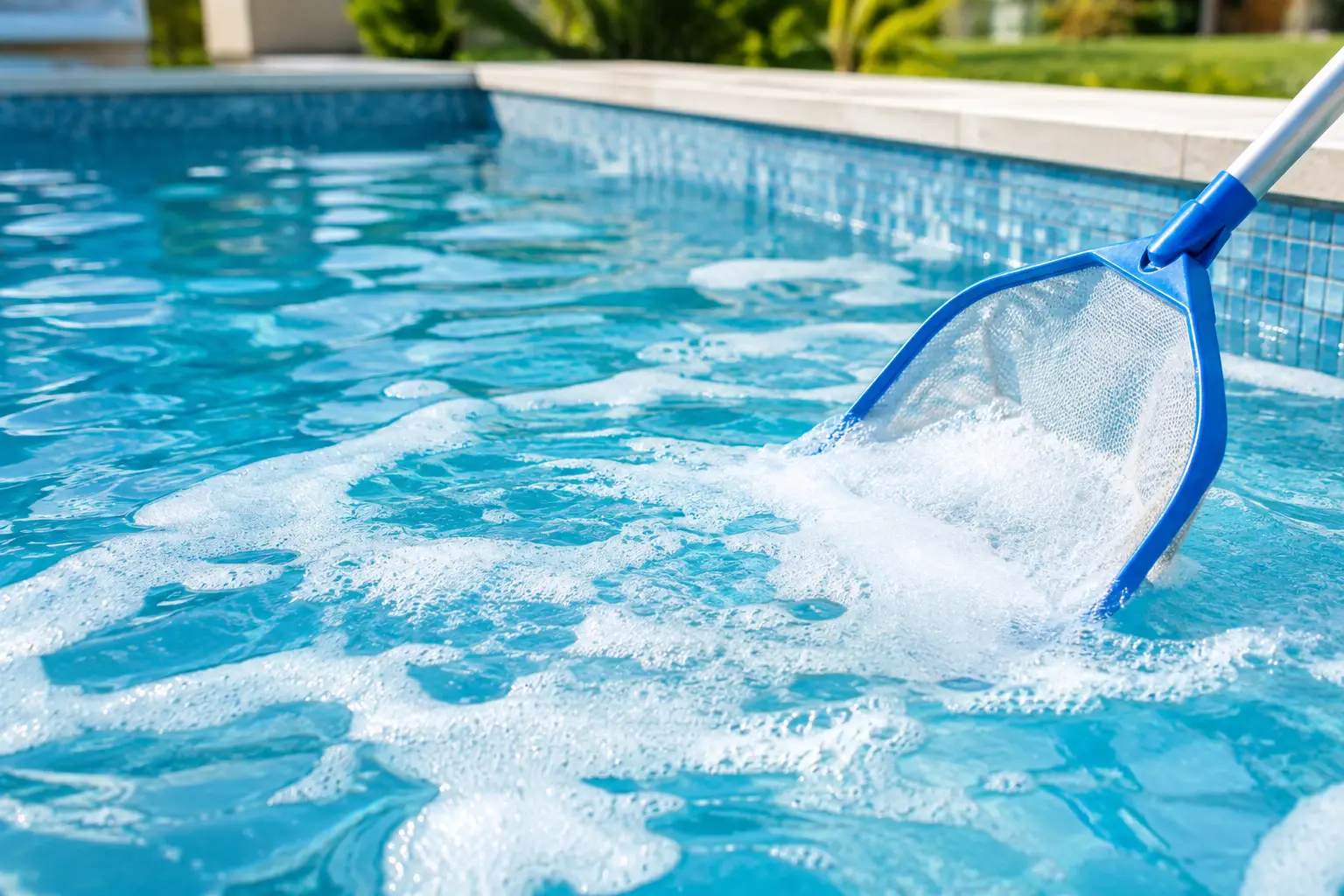
A ring of white froth around the returns can make an otherwise clear pool look less than inviting. Pool water foaming is not usually an emergency, but it is a useful clue: something in the water, circulation system or recent pool use needs attention. The right fix depends on whether the foam is caused by harmless agitation, a chemistry imbalance or an equipment issue.
For families across Palm Beach County, the goal is simple: water that is safe, balanced and ready whenever the pool calls. Here is how to recognize what the foam is telling you and what to do next.
What pool water foaming usually means
A few bubbles immediately after the pump starts, after children have been splashing, or near a water feature are normal. Those bubbles should disappear quickly once the water settles. Persistent foam is different. It often gathers in corners, clings to the waterline or returns shortly after being skimmed away.
Foam forms when tiny air bubbles become trapped by compounds in the water. Oils, lotions, soaps and certain dissolved organic materials can make those bubbles stable enough to build into visible froth. Low calcium hardness can have a similar effect because the water has less mineral content to help it behave as it should.
The appearance matters. Bright white, light foam commonly points to residue or low calcium. Yellow, tan or greenish foam may indicate pollen, algae, heavy organic contamination or a filtration problem. If the water is cloudy, has an odour, or feels slippery as well as foamy, treat the issue as a water-quality concern rather than a cosmetic one.
Common causes of foaming pool water
Body products, detergents and everyday residue
Sunscreen, body lotion, hair products, cosmetics and natural skin oils all enter the water during a normal swim. In a busy Florida pool, that residue can build up quickly, particularly after a weekend of entertaining. Small amounts are expected, but a high bather load can overwhelm a pool that has limited circulation or needs more frequent filtration.
Detergent is another frequent culprit. It can arrive on swimsuits, towels, cleaning equipment or even through a hose that has been used for other household jobs. Washing swimwear without detergent, or using a very light rinse cycle, can help prevent repeat foaming.
Low calcium hardness
Calcium hardness is often overlooked because pool owners understandably focus on chlorine and pH. Yet it plays a major role in water balance, especially in plaster, pebble and tiled pools. When calcium is too low, water may foam more easily and can become aggressive towards plaster, grout and metal equipment over time.
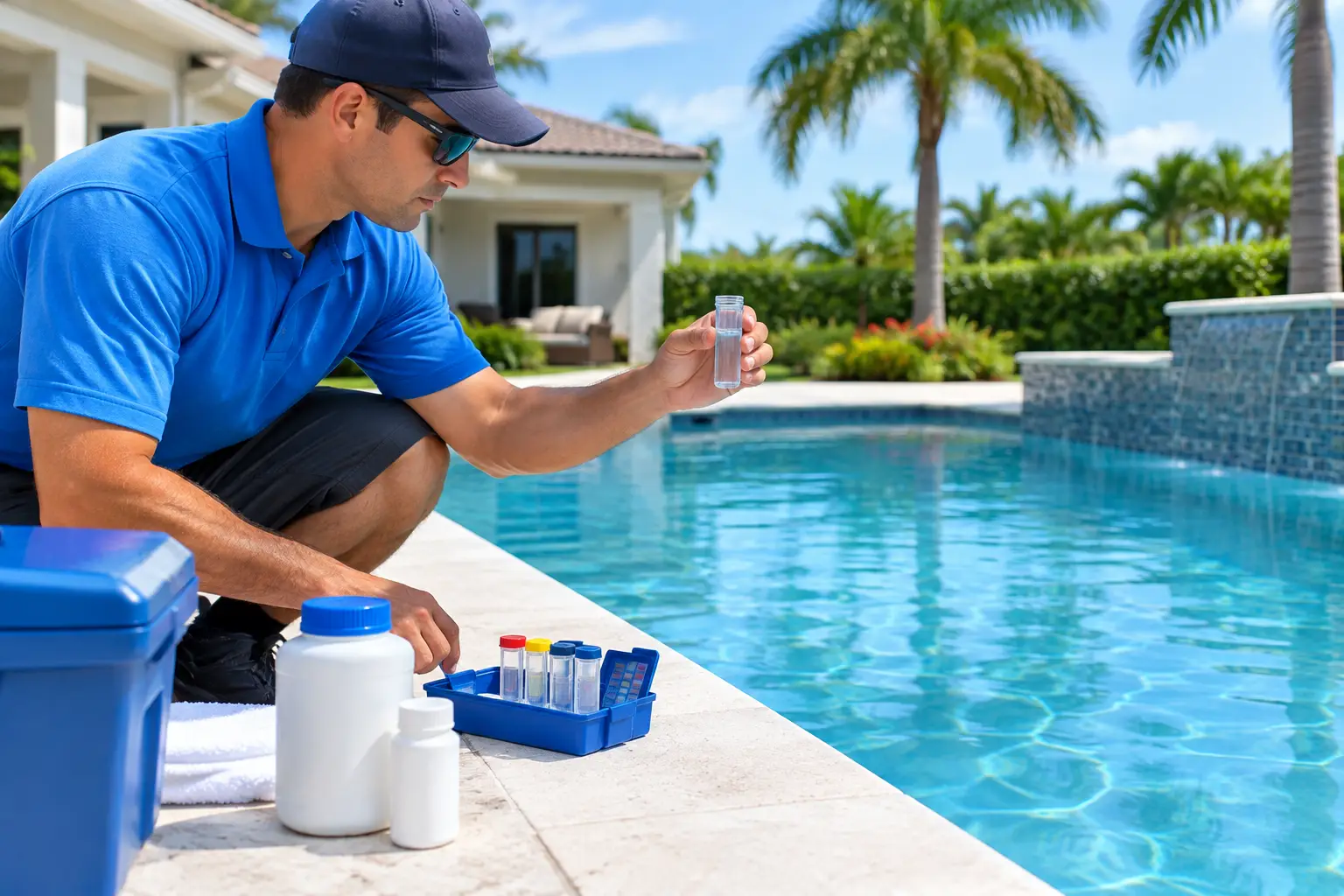
There is no single ideal calcium reading for every pool. The correct target depends on the surface, water temperature, pH, total alkalinity and other balance factors. Adding calcium without a complete test can create its own problem, including scale formation. This is one of the reasons professional water testing is worth more than a quick strip reading when foam keeps returning.
Algaecides and chemical overdosing
Some algaecides, particularly older or lower-quality formulations, are known to foam. This can happen after an algae treatment, even where the pool looks clean. Too much clarifier, enzyme product or other speciality chemical can also leave material in the water that encourages froth.
More product is not always better in pool care. Chemicals should be measured for the pool's volume and added for a clear reason. Never mix products together, and avoid adding several corrective chemicals at once. Give the pump time to circulate each treatment, then retest before deciding on the next adjustment.
Air entering the circulation system
Foam can also start outside the water chemistry. If you see a steady stream of bubbles from the return jets, especially when the pump is running, the system may be drawing air through the suction side. A loose pump-lid O-ring, low pool water level, cracked valve, worn fitting or blocked skimmer basket can all contribute.
This type of problem deserves prompt attention. Air leaks can reduce circulation, make the pump work harder and, if ignored, contribute to priming issues. Check that the water level sits around halfway up the skimmer opening, empty the baskets and look for obvious drips or a pump lid that is not sealing cleanly. Do not keep tightening fittings aggressively, as this can damage threads or seals.
Dirty filters and poor circulation
A filter does not directly create foam, but poor filtration allows oils, fine debris and dissolved contaminants to remain in the water for longer. A clogged cartridge, a sand filter that needs backwashing, or a pump schedule that is too short for the season can make the underlying cause more noticeable.
After storms, high winds and heavy pool use, circulation needs can change. Pollen, leaves and fine organic debris are common in Wellington, Royal Palm Beach and The Acreage, where a pool can look clear on the surface while the filter is working well beyond its usual load.
How to clear pool water foaming safely
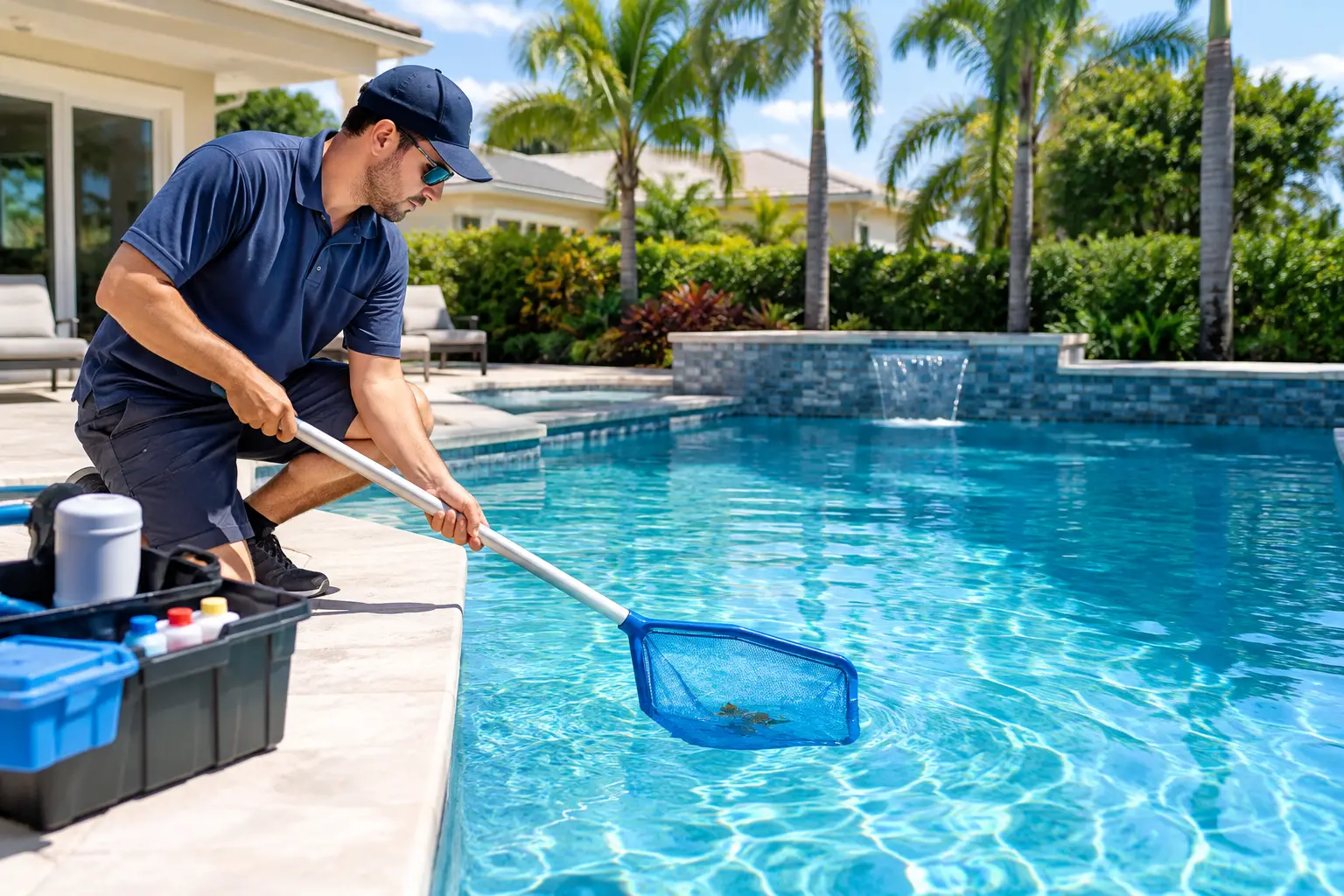
Start by removing what you can see. Skim the foam and empty the skimmer and pump baskets. Then run the circulation system long enough to turn over and filter the water properly. If the pressure gauge is high or flow from the returns seems weak, service the filter according to its type and manufacturer guidance.
Next, test the full chemistry picture: free chlorine, pH, total alkalinity, calcium hardness and stabiliser. If the pool has been heavily used, testing combined chlorine is useful too. Adjust only the readings that are out of range, using the correct product and dose for your pool volume. A balanced chlorine level can oxidise much of the organic residue behind the foam, but chlorine alone will not correct an air leak or an inappropriate calcium level.
If you have recently used an algaecide, clarifier or other treatment, check the label before adding anything else. In many cases, allowing the filter to run, cleaning the filter and avoiding further additives is the sensible next step. An antifoam product may make the surface look better temporarily, but it does not remove the residue or fix the reason it formed. Think of it as a short-term appearance fix, not a cure.
For stubborn foaming, a partial drain and refill may be necessary. This is most likely when the pool contains a large concentration of dissolved products, soaps or unwanted chemicals that filtration cannot remove. Draining a pool is never a casual job in South Florida. Groundwater conditions, pool construction and water-table pressure all matter, so seek professional advice before removing significant amounts of water.
When foaming needs professional pool care
Call for help when foam returns after proper testing and filtering, when bubbles continue from the return jets, or when the water is cloudy, green or has a strong chemical smell. These signs can overlap, and treating the wrong one wastes time and chemicals.
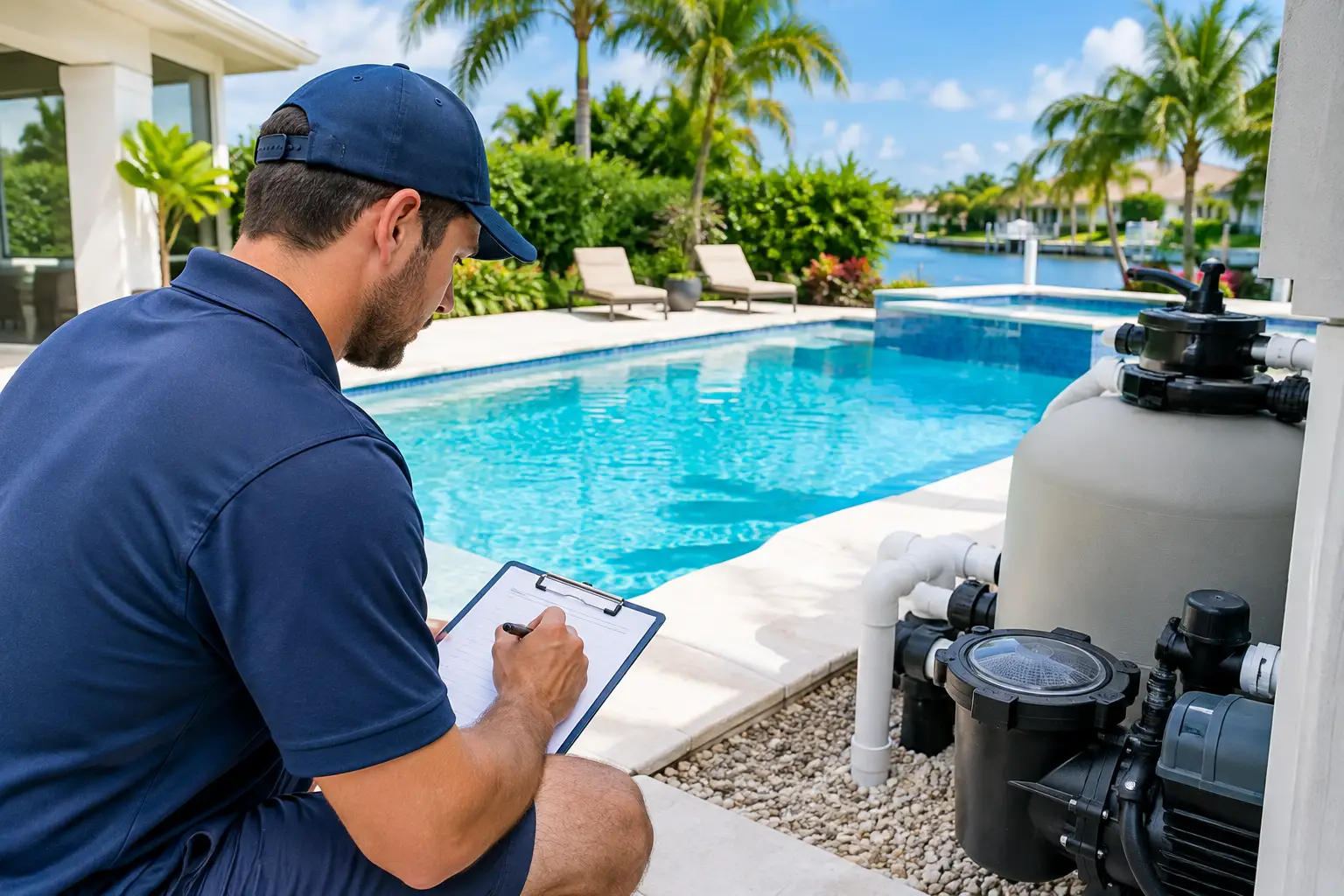
A weekly service visit provides an early warning system. Consistent skimming, vacuuming, basket cleaning, equipment checks and precise water balancing prevent the gradual residue build-up that often leads to foam. Detailed testing also helps spot trends before they become a green-pool recovery or equipment repair.
At Turtle Pool Care, a technician can assess the water and circulation together rather than guessing from the foam alone. That means checking for chemistry imbalance, filter performance, suction-side air entry and recent treatment history, then documenting what was done so you know your pool is being cared for properly.
Keep the water turtly clean between visits
Simple habits make a real difference. Encourage swimmers to rinse off sunscreen and lotions when practical, keep the water level above the skimmer intake and rinse swimwear thoroughly if detergent residue is suspected. After a party or a long day in the pool, let the pump run as scheduled and remove leaves before they break down in the water.
Foam is often the pool's quiet way of asking for attention. Address it while the water is still clear, and you are far more likely to keep every swim comfortable, safe and perfectly balanced.