A pool can look fine from the patio and still be working far harder than it should. A faint rattle from the pump, a chemical smell that lingers on skin, or a patch of stubborn algae can be an early warning rather than a minor annoyance. Knowing the signs your pool needs professional attention helps you protect your equipment, your water quality and the time your family spends in the pool.
For homeowners in Palm Beach County, small problems can build quickly in warm weather. Sunshine, afternoon rain, heavy use and organic debris all affect water chemistry and circulation. Addressing an issue early is usually simpler and less costly than waiting for a green pool, failed pump or damaged surface.
1. The Water Stays Cloudy After Normal Cleaning
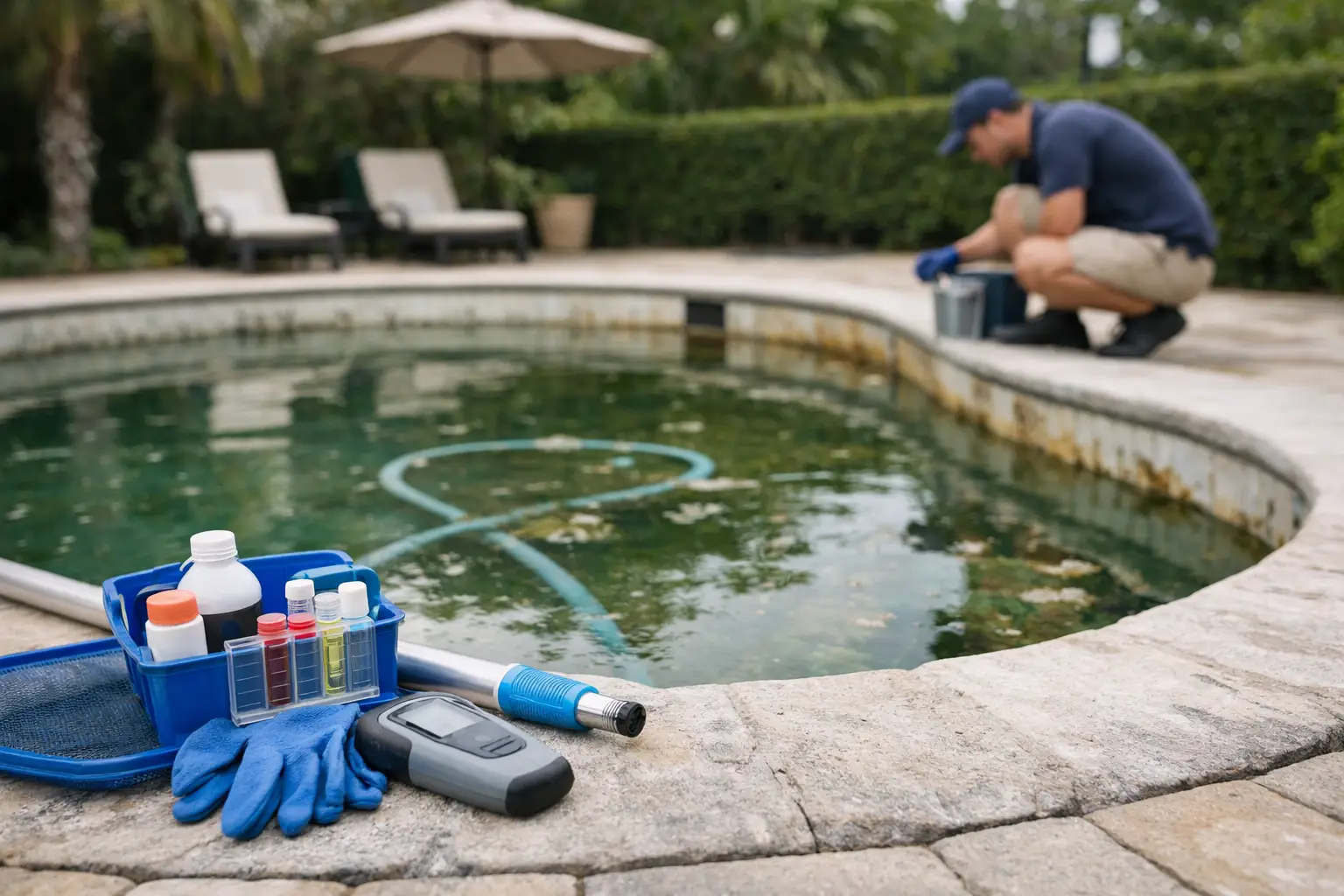
Cloudy water is one of the clearest signs a pool needs professional attention. It may be caused by fine debris, an overloaded or dirty filter, poor circulation, incorrect pH, low sanitizer or the early stages of algae growth. Skimming the surface and adding chemicals without identifying the cause can make the water look better for a day or two, but it will not necessarily correct the imbalance.
If you cannot clearly see the main drain in the deep end, treat the pool as unsuitable for swimming until the issue is resolved. Clear water is not simply about appearance. It allows swimmers to see the pool floor and indicates that filtration and chemistry are being properly managed.
2. Algae Returns Soon After You Remove It
A little green dust on a wall may look like a cleaning task. When it reappears days later, turns yellow or black, or spreads despite brushing and shocking, there is usually a wider issue with circulation, filtration or chemical balance.
Algae can take hold in shaded corners, behind ladders, around fittings and on steps where water movement is weaker. Black algae in particular can root into porous surfaces and needs a more deliberate treatment than a quick dose of chlorine. A professional green-to-clean service assesses the water, brushes thoroughly, treats the growth correctly and checks whether the equipment is doing its part.
3. Your Pump Is Noisy, Leaking or Losing Prime
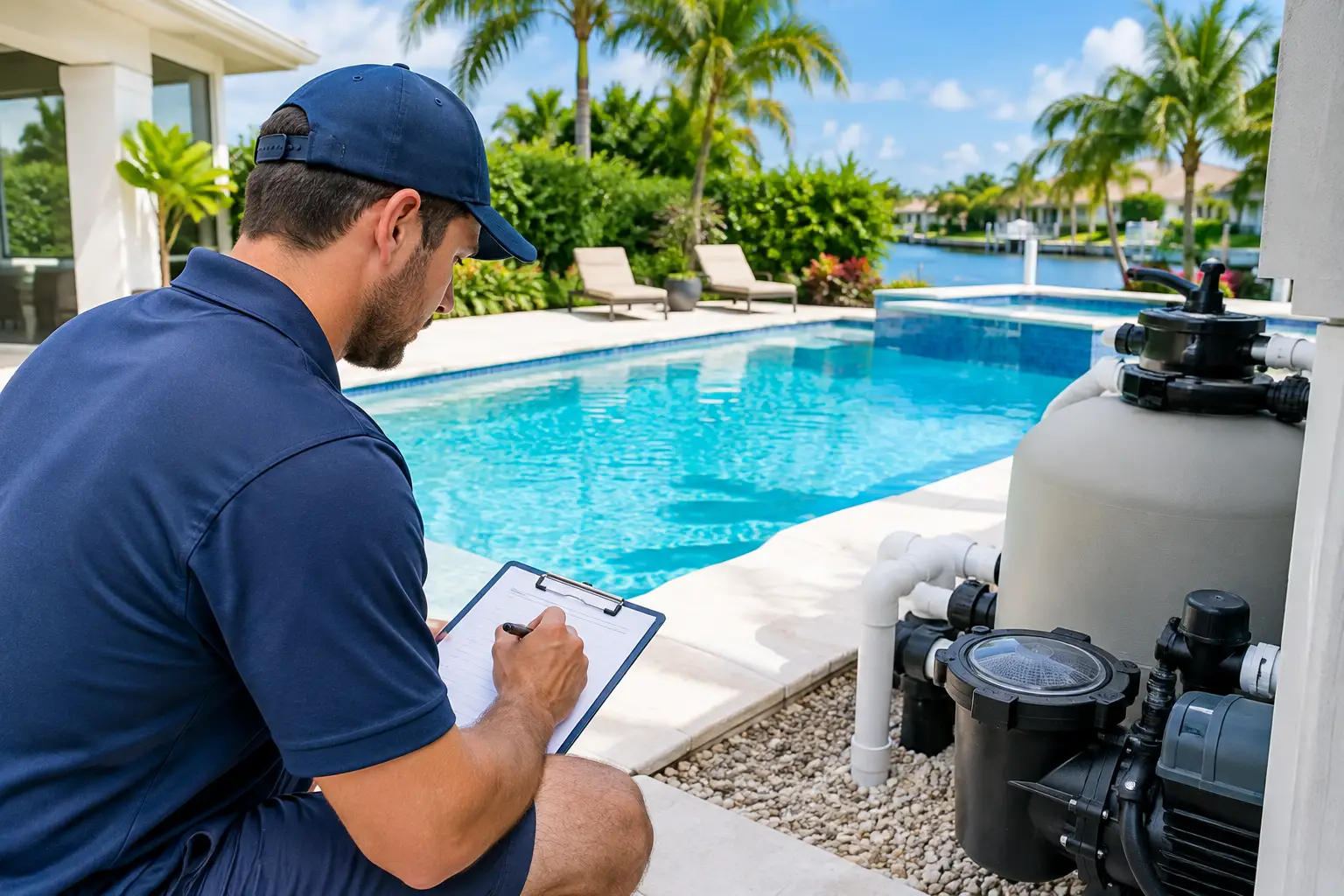
Your pool pump should produce a consistent operating sound, not grinding, screeching, rattling or repeated bursts of air. A noisy pump may have worn bearings, debris in the impeller, a failing motor or an air leak on the suction side. Water collecting beneath the pump, around plumbing connections or near the equipment pad also deserves prompt attention.
Another warning is a pump basket that repeatedly fills with air or a system that struggles to prime after switching on. Running a pump while it is starved of water can create further damage. Some repairs are straightforward, while an older, inefficient unit may be a sensible candidate for replacement. The right choice depends on the pump’s condition, its age and whether it is correctly sized for the pool.
4. Weak Return Jets or Poor Water Movement
Put your hand in front of a return jet while the system is running. If the flow feels weak, uneven or noticeably reduced from normal, the pool may not be circulating enough water to filter and sanitise effectively. This can result from a blocked skimmer line, a dirty filter, a clogged impeller, a valve issue or air entering the system.
Poor circulation often shows up first as debris collecting in one area, dull water or algae in corners. It is tempting to compensate by adding extra chemicals, but sanitizer cannot perform as intended when it is not moving through the whole pool. Restoring flow addresses the underlying problem.
5. Chemical Readings Swing From One Visit to the Next
Pool chemistry changes with rain, heat, bather load and debris, but dramatic swings are not something to ignore. Perhaps chlorine disappears within a day, pH keeps climbing, calcium hardness is out of range or the water causes eye irritation even though test strips appear acceptable.
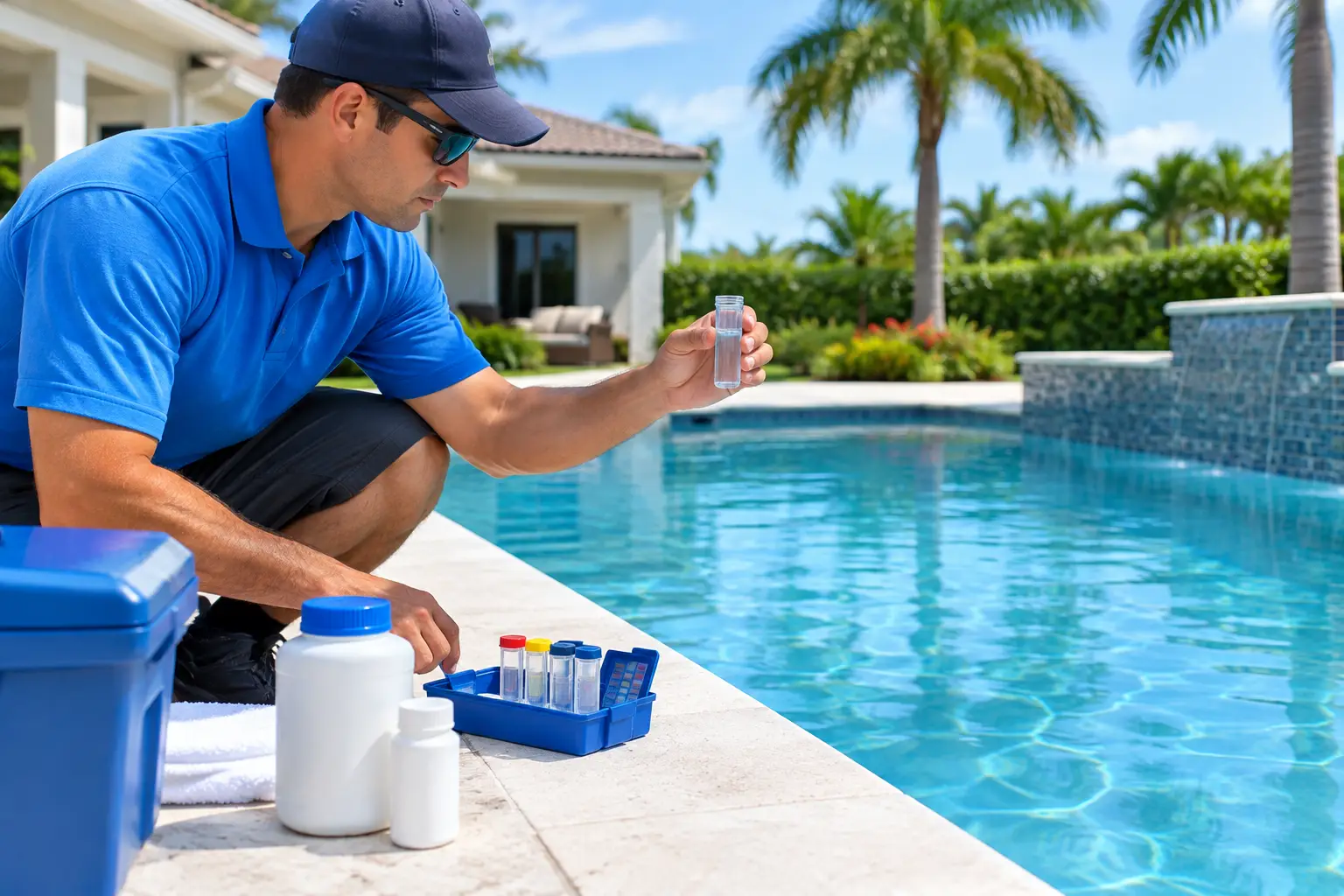
Home test kits can be useful for a quick check, yet readings are only as reliable as the testing method and the products being used. Persistent chemistry trouble calls for a full assessment of sanitizer, pH, alkalinity, stabiliser, calcium and, where relevant, salt levels. Precise balancing protects swimmers as well as plaster, tile, heaters and metal components.
A strong chlorine smell is also not proof that the pool is clean. It can indicate chloramines, which form when chlorine reacts with contaminants and needs to be properly broken down. Fresh, balanced pool water should not leave everyone rushing for the shower with burning eyes.
6. The Filter Pressure Is Unusual or the Filter Needs Constant Cleaning
Your filter pressure gauge gives useful context when you know its normal clean reading. A gradual increase is expected as the filter captures debris. A sudden high reading, however, can restrict circulation and put additional strain on the pump. Very low pressure can point to a blockage, air leak or equipment issue.
If you are cleaning cartridges or backwashing far more often than usual, the pool may be carrying an excessive debris load or the filter may need deeper servicing. Filters have different maintenance requirements, whether they use cartridges, sand or DE media. Replacing parts or cleaning too aggressively without understanding the system can reduce filtration performance rather than improve it.
7. You Notice Surface Damage, Staining or Loose Tile
Rough plaster, new stains, flaking surfaces, cracked grout or loose tiles are not always emergencies, but they should be inspected before they worsen. Water chemistry plays a major role in protecting pool finishes. Water that is too aggressive can etch plaster and corrode metal, while unbalanced water can contribute to scaling and stubborn calcium deposits.
Newly resurfaced pools deserve particular care. Their curing period requires carefully managed chemistry and regular brushing to support an even finish. A structured 28-day start-up program helps avoid avoidable surface problems from day one.
8. The Pool Is Losing Water Faster Than Expected
Some water loss is normal in Florida, especially during hot, breezy periods. Splash-out and evaporation happen. But if the water level drops noticeably below the skimmer each week, you keep adding water, or wet spots appear around the pool or equipment, it may be more than evaporation.
A leak can come from plumbing, fittings, the shell, the skimmer or equipment seals. Because adding fresh water continually also changes the pool’s chemistry, the issue can create a cycle of higher water bills, unstable readings and equipment stress. Professional diagnosis helps separate a genuine leak from seasonal water loss before assumptions lead to unnecessary work.
9. Your Lights, Timer or Automation Are Unreliable
Flickering lights, a timer that no longer follows its schedule, breakers that trip or automation that will not communicate with equipment should not be treated as cosmetic inconveniences. Electrical and control issues can affect run times, circulation and safety. Pool lighting and automation repairs should be handled carefully, particularly where water and electrical components meet.
Modern controls can make pool ownership easier by scheduling filtration, lighting and compatible equipment around how your household uses the pool. However, automation is only worthwhile when it is installed correctly and the underlying equipment is in sound working order.
When to Call Straight Away
Do not wait for a routine visit if you see an active equipment leak, smell burning near the pump, have a repeatedly tripping breaker, find severely cloudy water, or suspect a major loss of water. Turn off equipment if it appears unsafe and arrange an inspection. For less urgent concerns, taking note of when the problem began, what changed and any test readings can make diagnosis quicker.
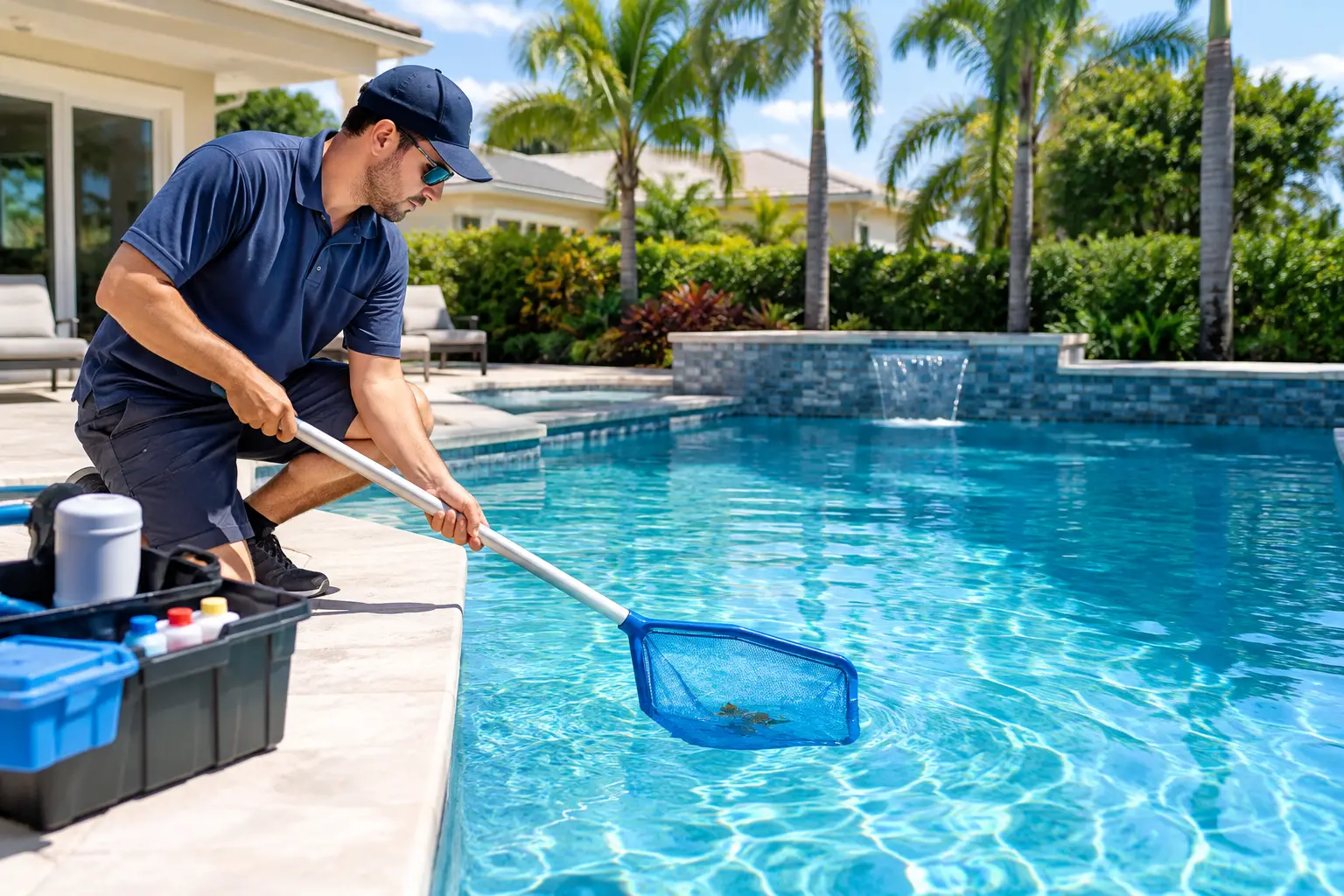
Consistent weekly service is often the best defence against these problems because it catches gradual changes before they become disruptions. A dependable technician can skim, vacuum, inspect equipment, test and balance water, then document what was done and what needs watching.
A pool should feel like the easy part of a Florida afternoon, not another system to troubleshoot. If something looks, sounds or feels off, trust that instinct and get it checked. Turtle Pool Care helps homeowners keep their pools turtly clean, safe and ready for the next swim.