A pool should feel like part of the good life, not the reason the electric bill jumps every month. The right energy efficient pool upgrades can lower day-to-day operating costs while improving water quality, comfort, and control. For homeowners, the best starting point is usually not replacing everything at once. It is identifying the equipment that runs the longest, works the hardest, or no longer matches how the pool is used.
A thoughtful upgrade plan also protects the pool itself. Better circulation supports balanced water, dependable heating makes the pool more usable, and automation helps prevent wasteful run times. The result is a pool that stays turtly clean with less guesswork.
Start With the Equipment You Use Most
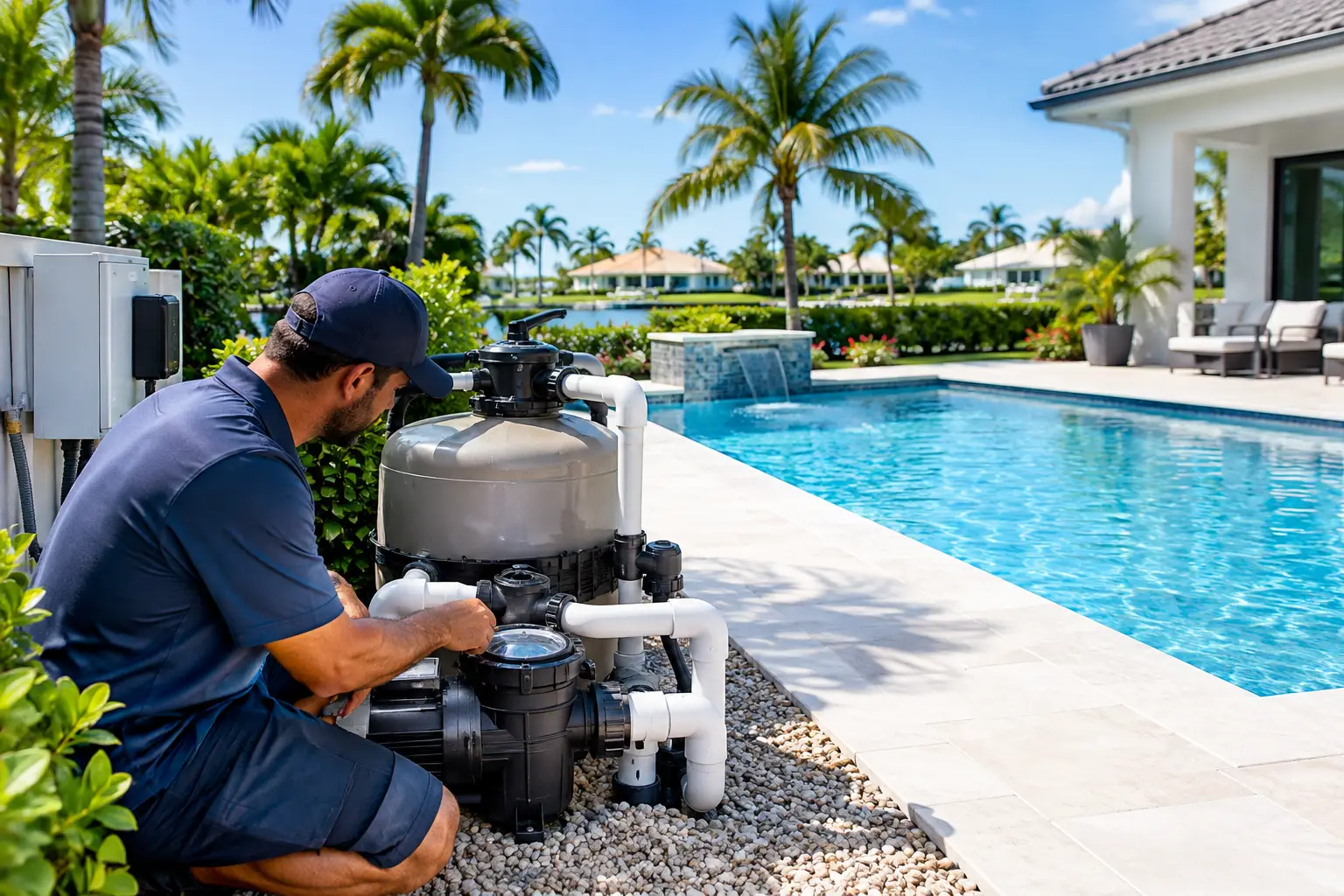
Every pool is different, but the circulation system is often the largest source of energy use. A pump may run for several hours every day, even when nobody is swimming. Older single-speed pumps operate at one high speed, whether the pool needs heavy circulation or simply needs to filter quietly in the background.
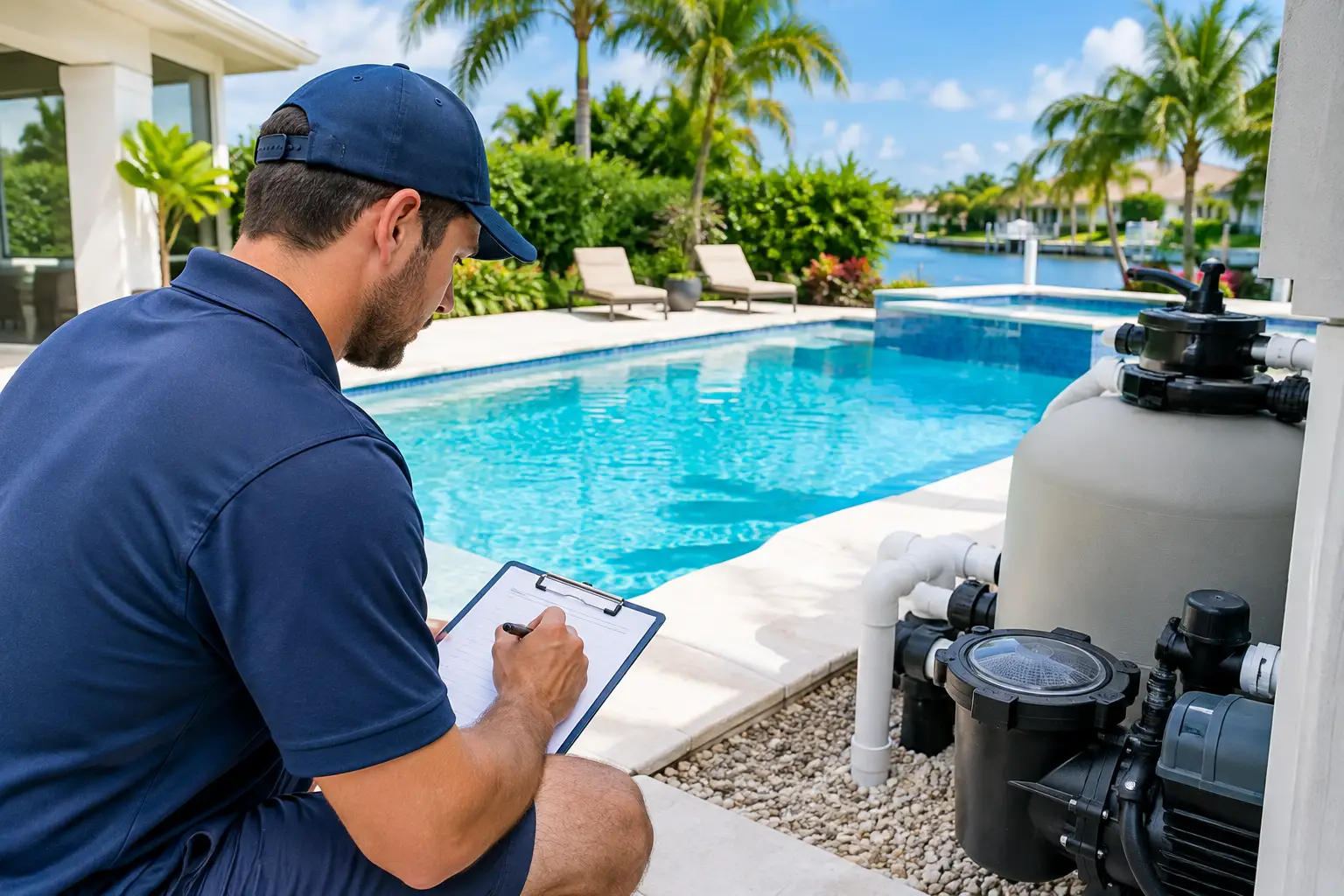
Before choosing new equipment, consider the pool's size, plumbing layout, water features, heater, cleaner, and normal schedule. A pool with a spa, raised spillway, or frequent leaf debris has different circulation demands than a screened pool used mainly on weekends. An equipment inspection can help separate a true efficiency opportunity from a problem caused by a clogged filter, air leak, aging motor, or incorrect programming.
Variable-speed pumps: the highest-impact change
For many homeowners, a variable-speed pump is the most meaningful upgrade to consider. Rather than running at full output all day, it can be programmed to operate at lower speeds for routine filtration and higher speeds only when needed for vacuuming, water features, spa operation, or stronger skimming.
Lower speeds generally use considerably less electricity than high-speed operation. They can also reduce noise, which matters when equipment sits close to a patio, bedroom, or neighbor's property. Gentle, consistent circulation can be easier on plumbing and equipment as well.
There is a trade-off. A variable-speed pump needs proper sizing and programming. Running it too slowly may not provide enough flow for a heater, saltwater system, cleaner, or water feature. Running it too fast for too long can erase much of the savings. The goal is not the lowest possible speed. It is enough daily circulation to keep the water clear, balanced, and properly filtered.
Energy Efficient Pool Upgrades for Heating and Cooling
In western Palm Beach County, water temperature can be a year-round comfort issue. Summer water may become too warm for refreshing swims, while cooler weather can shorten the season for families who prefer a warmer pool. The equipment choice should reflect how and when your household actually swims.
Heat pumps reward a steady routine
A pool heat pump transfers heat from the surrounding air into the water. It is often a practical option for homeowners who want to maintain a comfortable temperature over time rather than heat a cold pool quickly for occasional use. Because it works most efficiently in suitable outdoor conditions and benefits from steady operation, planning ahead makes a difference.
A heat pump is not always the best fit for every pool or every expectation. Recovery times, weather conditions, desired temperature, pool size, and heat loss all affect performance. A larger pool exposed to wind may need more time and energy to maintain the same temperature as a protected pool. A professional assessment can help match the system to the pool rather than relying on a one-size-fits-all answer.
Pool cooling can improve summer comfort
When pool water stays bathtub-warm, swimming becomes less appealing. Pool cooling solutions can help bring temperatures down during the hottest stretches, particularly for pools that receive full sun. For households that use the pool frequently in summer, comfort is a genuine efficiency consideration: equipment should support the season when the pool is most likely to be enjoyed.
Whether heating, cooling, or both makes sense depends on the family's habits. A household that swims after school and on weekends may value reliable temperature control more than one that uses the pool only occasionally.
A pool cover helps protect heated water
Heat escapes from the water surface, especially overnight and during breezy conditions. A properly selected pool cover can reduce evaporation and help retain warmth, so heating equipment does not have to work as hard. It can also reduce water loss and help keep debris out.
Covers are most useful when they fit the way the family uses the pool. If a cover is difficult to handle or rarely gets put back on, the expected savings may not materialize. Convenience matters as much as the equipment specification.
Automation Stops Wasteful Run Times
Automation is one of the most practical upgrades for a busy household. It gives homeowners a clearer way to schedule circulation, lights, heaters, saltwater systems, and certain water features. Instead of leaving equipment running longer than necessary, schedules can be tailored to normal use, seasonal conditions, and service needs.
For example, a pump can run at a lower filtration speed during the day and increase briefly when a water feature is in use. Heater schedules can be adjusted around planned swim times instead of maintaining a high temperature unnecessarily. Automation can also reduce the chance that lights or features remain on after everyone has gone inside.
The value is not only lower energy use. Better control makes the pool easier to live with. When equipment has predictable schedules, it is also simpler to spot an unusual change in operation. A pump that suddenly sounds louder, loses flow, or runs outside its normal pattern deserves attention before it becomes a larger repair.
Do Not Overlook Filtration and Water Balance
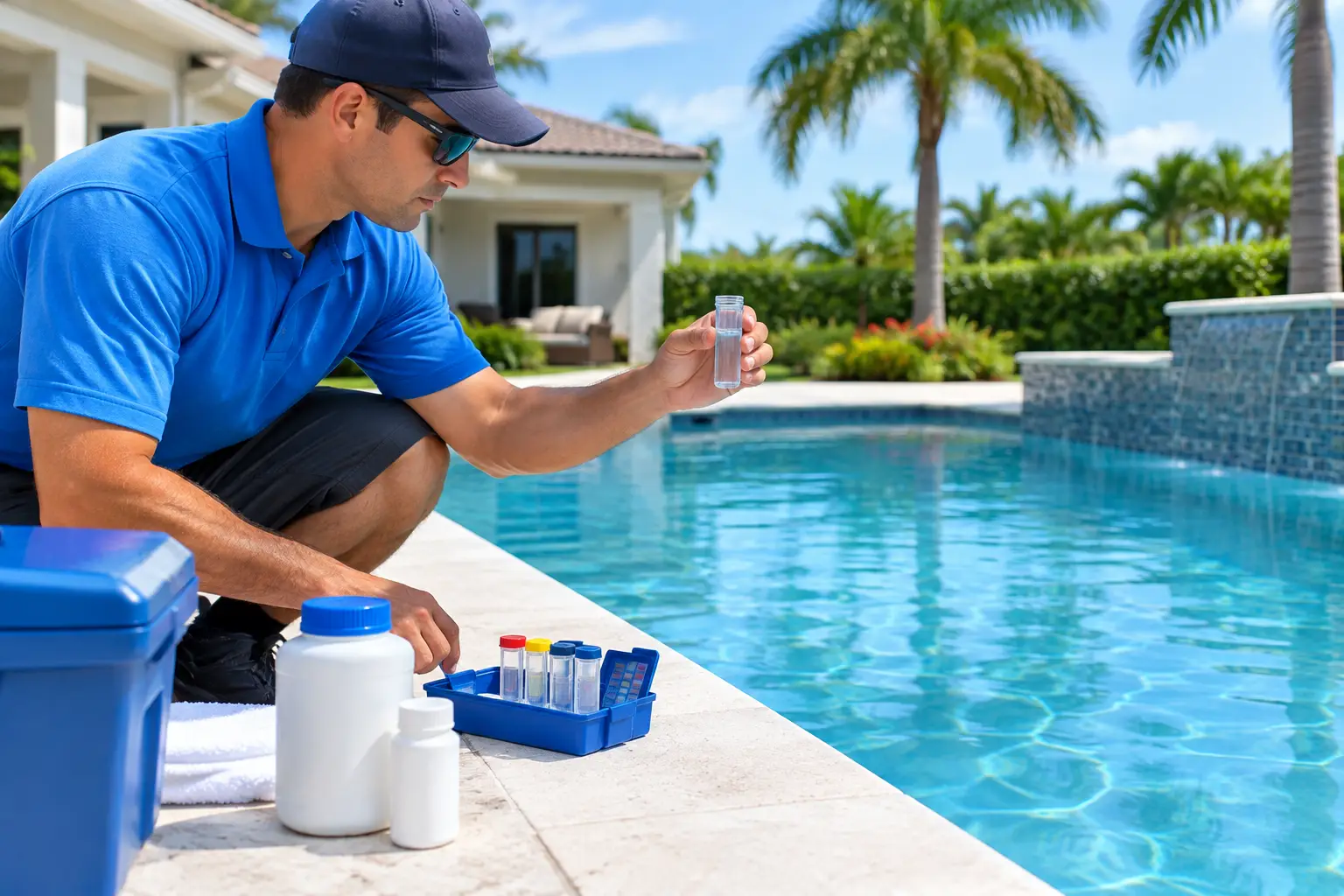
Energy savings are not limited to major equipment replacements. A clean filter, correctly adjusted water level, clear pump basket, and properly balanced water all support efficient operation. When a filter is heavily loaded, the pump may have to work harder to move water. When water chemistry is off, equipment and surfaces can face unnecessary wear.
Saltwater systems also benefit from the right balance of run time, flow, and water chemistry. They can simplify chlorine generation for many homeowners, but they are not maintenance-free. The cell, water balance, and circulation system still need regular attention. A saltwater upgrade works best when it is paired with a suitable pump schedule and consistent professional care.
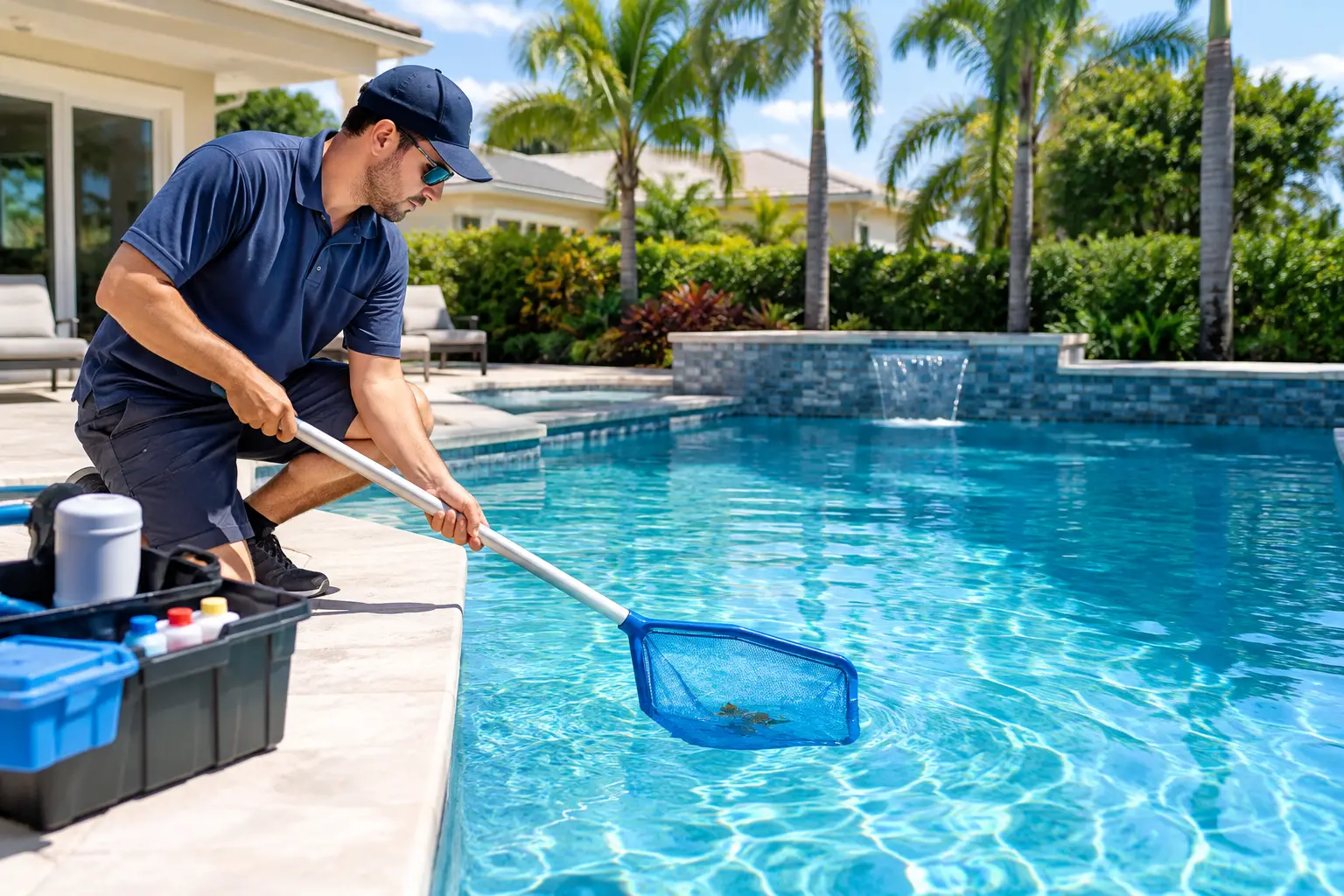
Weekly service provides a useful checkpoint for efficiency. During a routine visit, visible equipment concerns, debris buildup, water clarity, and chemistry trends can be identified before they affect performance. Turtle Pool Care pairs hands-on pool care with digital service reports and photos, so homeowners can see what was addressed and better understand the condition of their pool.
Choose Upgrades in the Right Order
It is easy to focus on the newest piece of equipment, but the smartest order depends on what is currently limiting the pool. If the existing pump is noisy, unreliable, or costly to operate, that may come first. If the pool is comfortable only a few months of the year, heating or cooling may bring more value. If the equipment is capable but schedules are inconsistent, automation may be the practical next step.
A sensible plan usually considers these questions: How many hours does the pump run? Is the pool used year-round or seasonally? Does the heater meet the household's expectations? Are water features, lights, and sanitation equipment controlled efficiently? Is the water consistently clear and balanced?
Avoid treating energy efficiency as a reason to cut circulation too aggressively. A pool that saves a little electricity but develops algae, poor clarity, or equipment problems is not an efficient pool. The better goal is dependable operation with no wasted effort.
A well-planned upgrade can make the pool quieter, more comfortable, and easier to maintain for years ahead. Start with the equipment that affects your daily operation most, then build a plan that fits your pool, your family, and the way you want to enjoy the water.