A pool can look clear on Monday and develop a circulation problem by Friday if its equipment is overlooked. Knowing how to maintain pool equipment helps protect the systems that keep water moving, filtered, sanitized, and comfortable - and can catch a small issue before it becomes an inconvenient repair.
For homeowners, the goal is not to become a pool technician. It is to recognize what normal operation looks and sounds like, keep the equipment area clean and accessible, and know when a professional inspection is the sensible next step. In western Palm Beach County, long pump run times, summer heat, heavy rain, and falling debris can all put extra demand on pool equipment.
Start With Consistent Water Circulation
Your pump and filter are the working centre of the pool. The pump pulls water through the skimmer and main drain, sends it through the filter, and returns clean water through the pool jets. When circulation is reduced, debris lingers, chemicals do not distribute evenly, and algae has a better chance to take hold.
Take a quick look at the return jets while the system is running. They should create a steady, visible flow across the water. Weak flow can be caused by a full skimmer basket, a dirty pump basket, a loaded filter, a low water level, or a developing equipment issue. It does not always mean the pump has failed, but it is worth addressing promptly.
Keep the water level around the middle of the skimmer opening. If it falls too low, the pump can pull air instead of water. If it is too high after a storm, skimming performance may suffer. A pool service professional can also help determine whether the programmed run schedule is appropriate for your pool, equipment, and season. More run time is not automatically better if it is simply masking a circulation problem.
How to Maintain Pool Equipment Around the Pump
The pump should run with a consistent hum, not a loud grinding, rattling, screeching, or repeated surging sound. New noises are often the first sign that something deserves attention. A pump that is unusually loud may have a bearing issue, restricted water flow, trapped air, or a problem with the motor or impeller.
Check the clear pump lid periodically when the pump is running. The basket area should be mostly full of water, with no persistent large air pocket. A few small bubbles may appear occasionally, but a significant amount of air can point to a suction-side leak, low pool water, or a loose lid or O-ring.
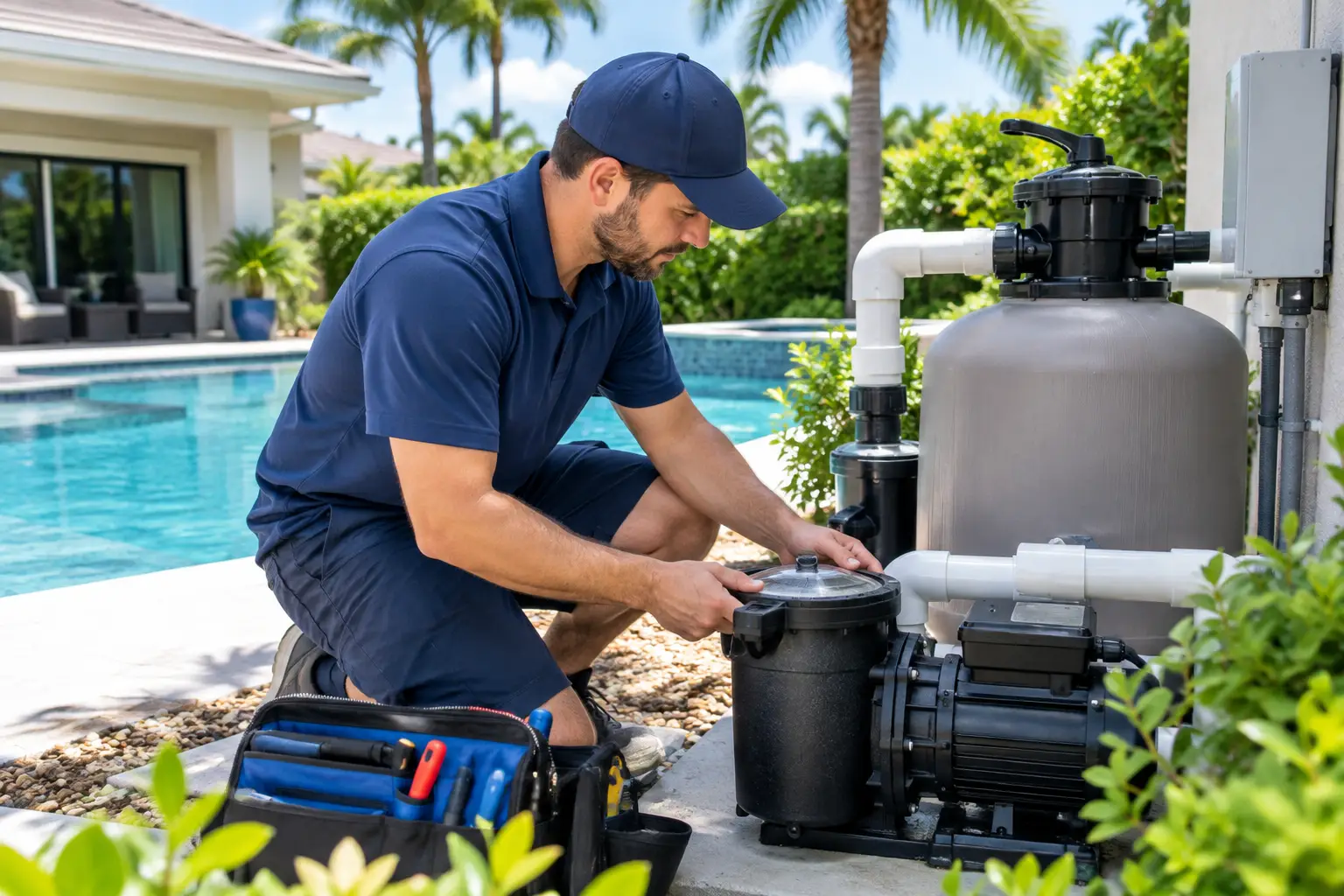
Homeowners can safely keep the area around the pump clean and make sure the lid is properly seated after emptying the basket. Avoid forcing fittings, removing electrical covers, or attempting motor repairs. Pumps combine electricity and moving parts, so diagnosis and repair belong with a qualified pool professional.
A well-maintained pump area should also be dry and orderly. Trim back vegetation, remove leaf piles, and do not store lawn chemicals, tools, or household items against the equipment. Clear access makes routine checks easier and gives a technician room to work safely when service is needed.
Keep Baskets Clear Before Flow Drops
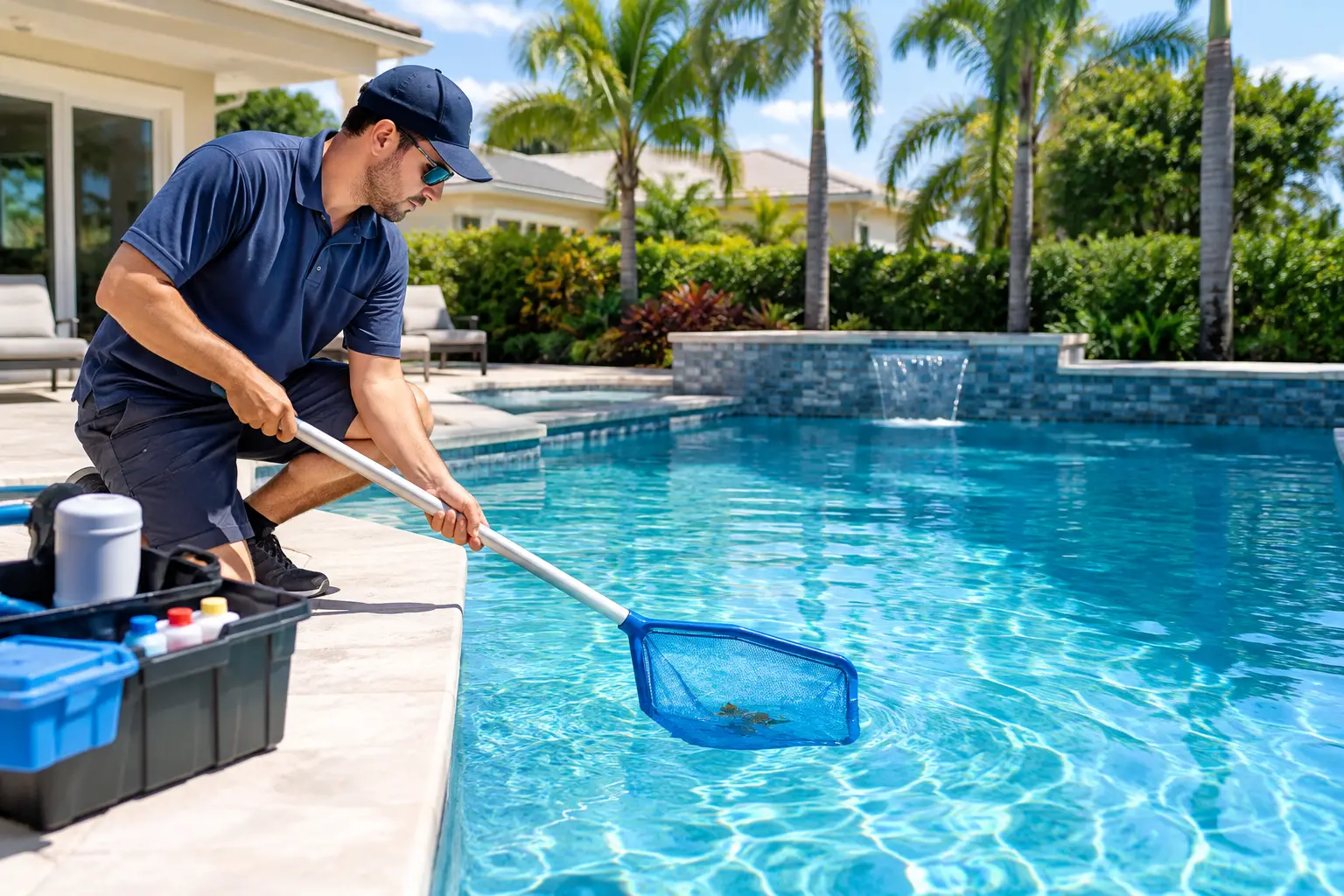
Skimmer and pump baskets catch leaves, seed pods, insects, and other debris before it reaches deeper into the circulation system. In a screened pool enclosure, baskets may need attention less often. In an open backyard - especially after wind or rain - they can fill surprisingly quickly.
Check baskets weekly and more often when debris is heavy. Turn the system off before opening the pump basket lid, then empty the basket carefully and inspect it for cracks. A broken basket can allow debris into the impeller, where it may reduce flow or cause damage.
Do not wait until the skimmer is packed full. By then, the pump may already be working harder than it should. This is one of the simplest habits for maintaining pool equipment, and it supports better circulation between professional service visits.
Watch Filter Pressure and Cleaning Needs
Your filter removes fine debris that baskets cannot catch. Whether your pool has a cartridge, sand, or DE filter, the general principle is the same: as the filter collects debris, resistance increases and water flow drops.
Use the pressure gauge as a trend indicator. After a filter is cleaned or serviced, take note of its normal operating pressure. If the pressure climbs noticeably above that baseline or the return flow weakens, the filter may be due for cleaning. The exact timing depends on the type and condition of the filter, the pool environment, bather load, and recent weather.
Cleaning too often is not always helpful. A filter needs some normal operating pressure to do its job effectively, and unnecessary cleaning can shorten the life of cartridges or waste water. On the other hand, allowing a filter to stay heavily loaded can strain the pump and make the pool harder to balance. A regular service plan makes this easier because pressure, flow, and water clarity can be observed over time rather than guessed at after a problem appears.
Inspect Valves, Plumbing, and the Equipment Pad
A brief visual inspection can reveal useful clues. Look for drips beneath valves, around the pump, or near plumbing connections. A small leak can become a larger leak, waste water, pull air into the system, or leave mineral buildup on nearby equipment.
Check that valves are in their normal position and that no one has accidentally moved them while gardening or working near the equipment pad. Do not force a stiff valve or try to repair plumbing under pressure. Cracked fittings, leaking unions, and valve problems are usually straightforward for a pool technician to assess when caught early.
Also watch for signs of poor drainage. Standing water around equipment is not normal, especially if it remains after the surrounding patio and yard have dried. Water exposure can affect motors, controls, and connections over time.
Give Heaters, Heat Pumps, and Coolers Space to Work
Pool heating and cooling equipment needs adequate airflow. Leaves, mulch, grass clippings, and overgrown landscaping can restrict the area around a heat pump or cooling unit, reducing efficiency and increasing wear. Keep the space around the unit clear according to its installation requirements, and avoid placing furniture or storage items nearby.
If a heater or heat pump displays an error message, turns on but does not maintain temperature, or repeatedly shuts down, record what you see and arrange a service visit. Resetting equipment over and over without identifying the cause can delay the proper repair. Temperature equipment is more complex than it appears, involving water flow, controls, electrical components, and, depending on the system, fuel or refrigeration elements.
Protect Automation and Saltwater Systems
Automation makes pool ownership easier, but it still benefits from occasional observation. Confirm that scheduled pump times, lighting, water features, and temperature settings match how you use the pool. If a controller loses its schedule after a power interruption or stops responding reliably, it may need programming support, a component replacement, or a broader equipment evaluation.
For saltwater pools, the cell and control system need periodic inspection. Scale buildup can reduce chlorine production, especially when water chemistry is not kept in balance. Do not clean a salt cell with improvised methods or strong chemicals. The correct process depends on the cell and the condition of the buildup, and unnecessary cleaning can shorten its lifespan.
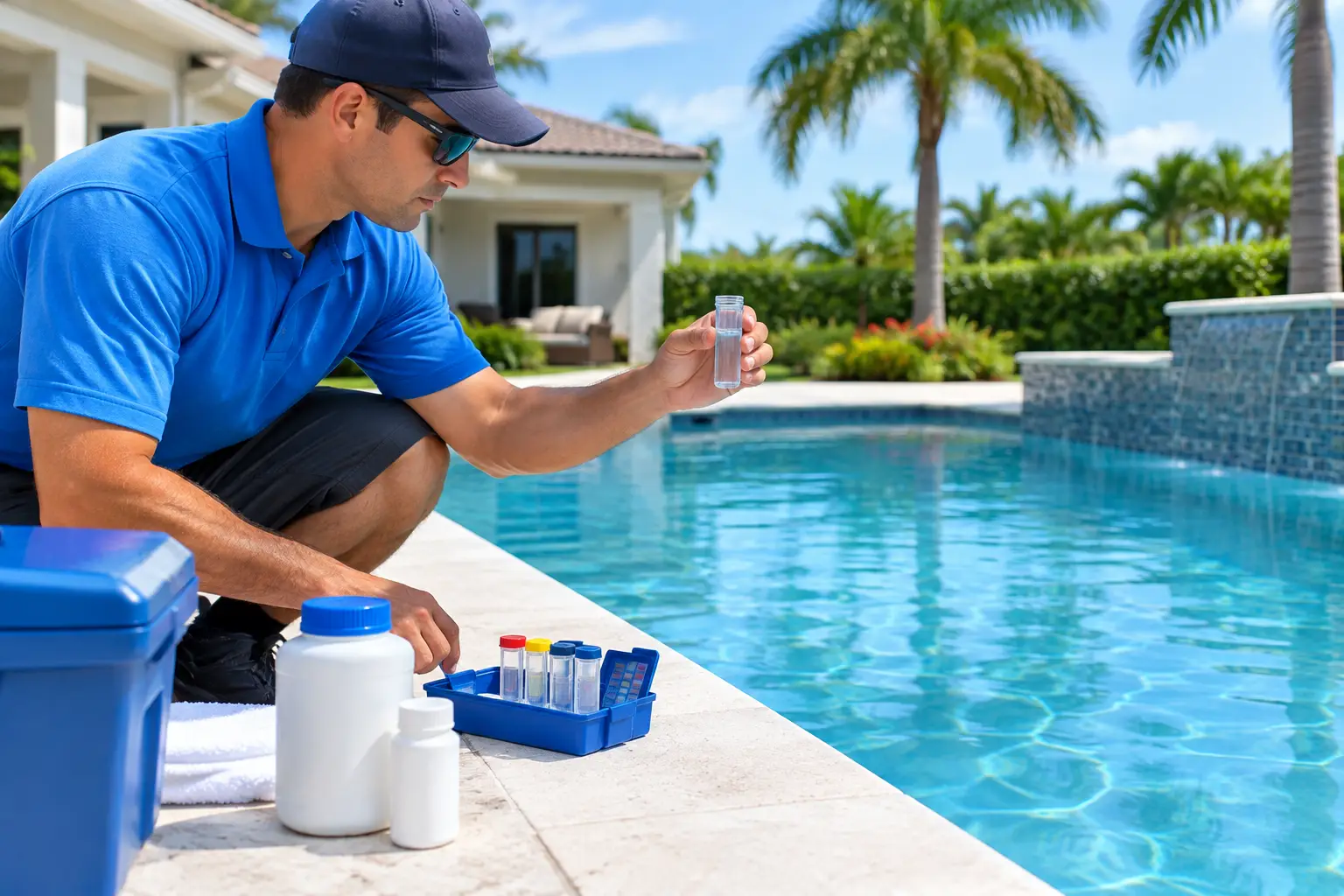
This is where water care and equipment care overlap. Balanced water helps protect heaters, salt cells, surfaces, and plumbing. Conversely, weak circulation or a dirty filter can make chemistry harder to maintain. Neither side of pool care works well in isolation.
Know When a Change Needs Professional Attention
Some equipment problems are obvious: a pump will not start, water is leaking steadily, or the pool is turning green. Others are quieter, such as higher-than-usual filter pressure, a pump that takes longer to prime, recurring air bubbles, or a heater that takes longer to warm the water.
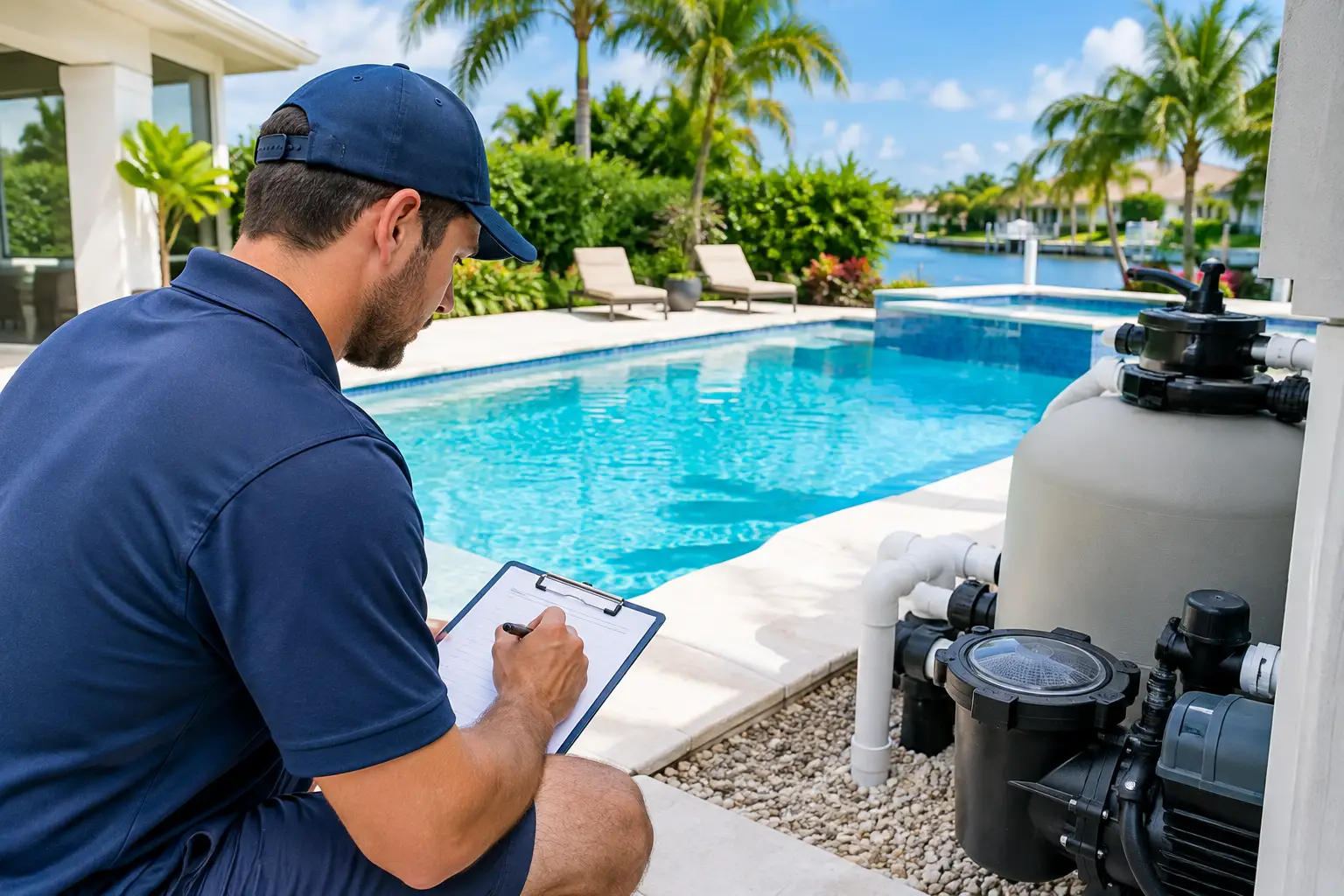
Act early when you notice a change. Waiting for total failure can mean more downtime and may turn a smaller repair into a larger one. Detailed service reports and photographs are especially helpful here because they create a record of what was observed and what was done at each visit.
Turtle Pool Care approaches equipment checks as part of dependable weekly pool care, not as an afterthought. A clean pool should be safe and perfectly balanced, but it should also have equipment that is operating as it should.
The best maintenance habit is simple: pay attention to what is normal for your pool. A clear view of the water, steady return flow, a clean equipment area, and early action on unusual sounds or leaks can keep your backyard ready for the next swim - and comfortably turtly clean.