A new pool finish can look perfect on day one and still develop avoidable problems in the weeks that follow. This pool startup success example shows why the first 28 days deserve more attention than a standard weekly cleaning visit. Fresh surfaces are still curing, water chemistry is changing quickly, and small oversights can leave behind scale, staining, plaster dust, or uneven appearance.
For homeowners, a startup should feel organized rather than stressful. You should know who is monitoring the water, what is being checked, and whether the pool equipment is circulating correctly. The goal is simple: help a new or resurfaced pool settle into healthy, attractive long-term operation.
A pool startup success example: the first 28 days
Consider a homeowner whose pool has just received a new interior finish. The water has been added, the pool looks bright, and everyone is understandably ready to enjoy it. But at this stage, appearance alone is not the measure of success.
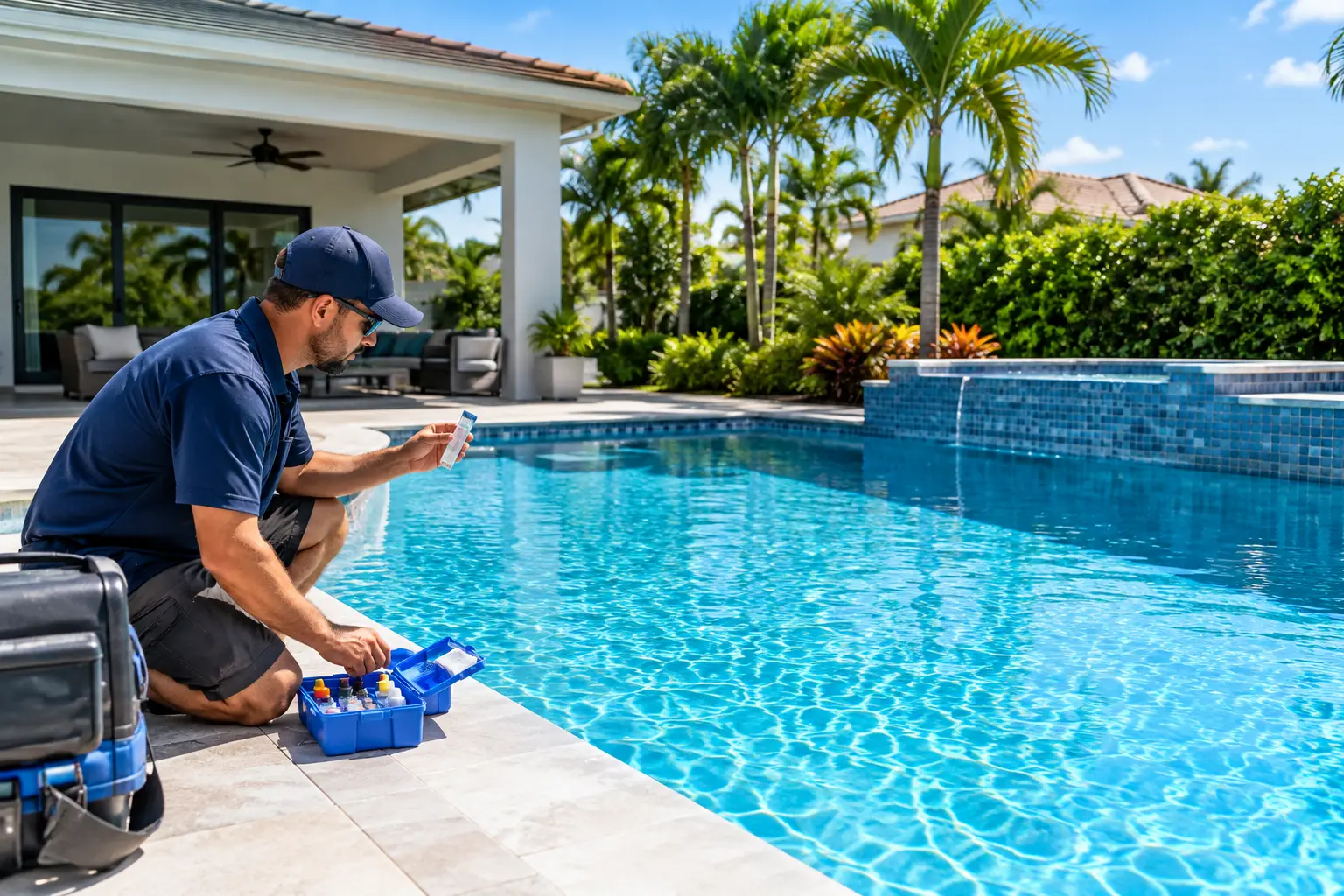
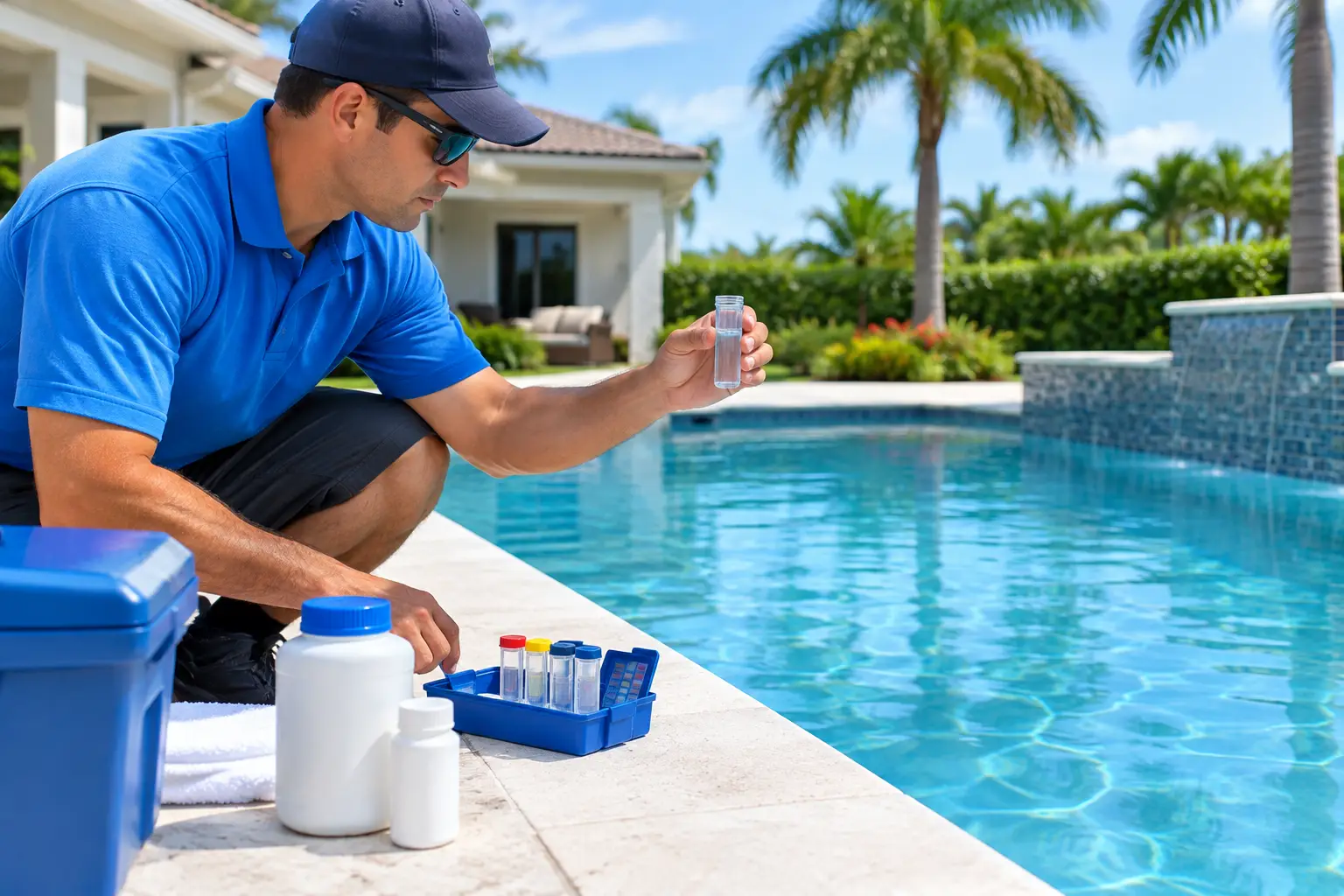
During the first visit, the startup technician checks the circulation system, confirms that water is moving properly through the pool, and inspects the equipment pad for visible concerns. The initial water test establishes a baseline. Fill water can vary widely, so assumptions are not helpful. The right plan depends on the pool's actual chemistry, the finish type, the condition of the equipment, and any instructions supplied for that particular surface.
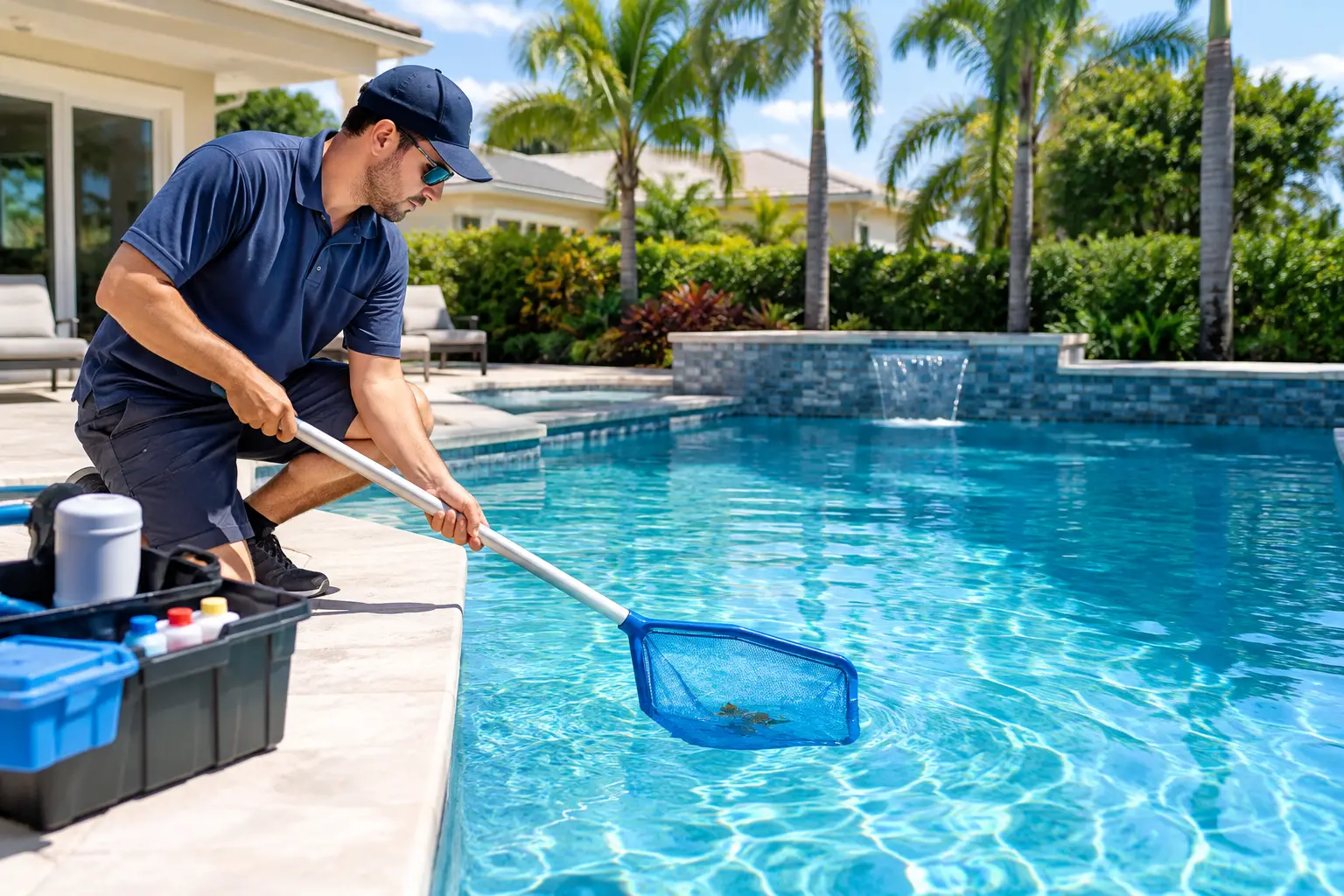
The technician also begins a consistent brushing routine. Brushing is not just about keeping the pool looking tidy. On a newly finished surface, it helps manage the fine material that can be released as the surface cures and keeps it from settling in one place. Steps, benches, corners, tile lines, and other low-circulation areas deserve close attention.
Over the next several weeks, the pool is revisited on a structured schedule. Water is tested and adjusted carefully, brushing continues, and the technician watches for changes in clarity, surface appearance, and circulation. Each visit builds on the one before it. Instead of reacting after an issue becomes obvious, the startup process catches concerns while they are still manageable.
At the end of the 28-day period, the successful outcome is not simply clear water. It is a surface that has been cared for through its most sensitive period, balanced water that supports both swimmers and equipment, and a homeowner who has a useful record of what was completed along the way.
Why a startup needs more than a one-time water balance
A new finish and a mature pool do not behave exactly the same way. Fresh plaster or resurfaced finishes can affect the water as they cure. Meanwhile, Florida heat, rain, wind-blown debris, and high bather use can shift water conditions faster than many homeowners expect.
This is why a startup is a process, not a single treatment. One water test may look good, then change after a rainfall, a weekend of swimming, or several days of intense sun. Frequent observation allows the care plan to respond to what the pool is actually doing.
Brushing matters for the same reason. A surface may need repeated attention even when the water looks clear from across the patio. Fine dust and early scale formation are easier to address with regular, informed care than after they have had time to accumulate.
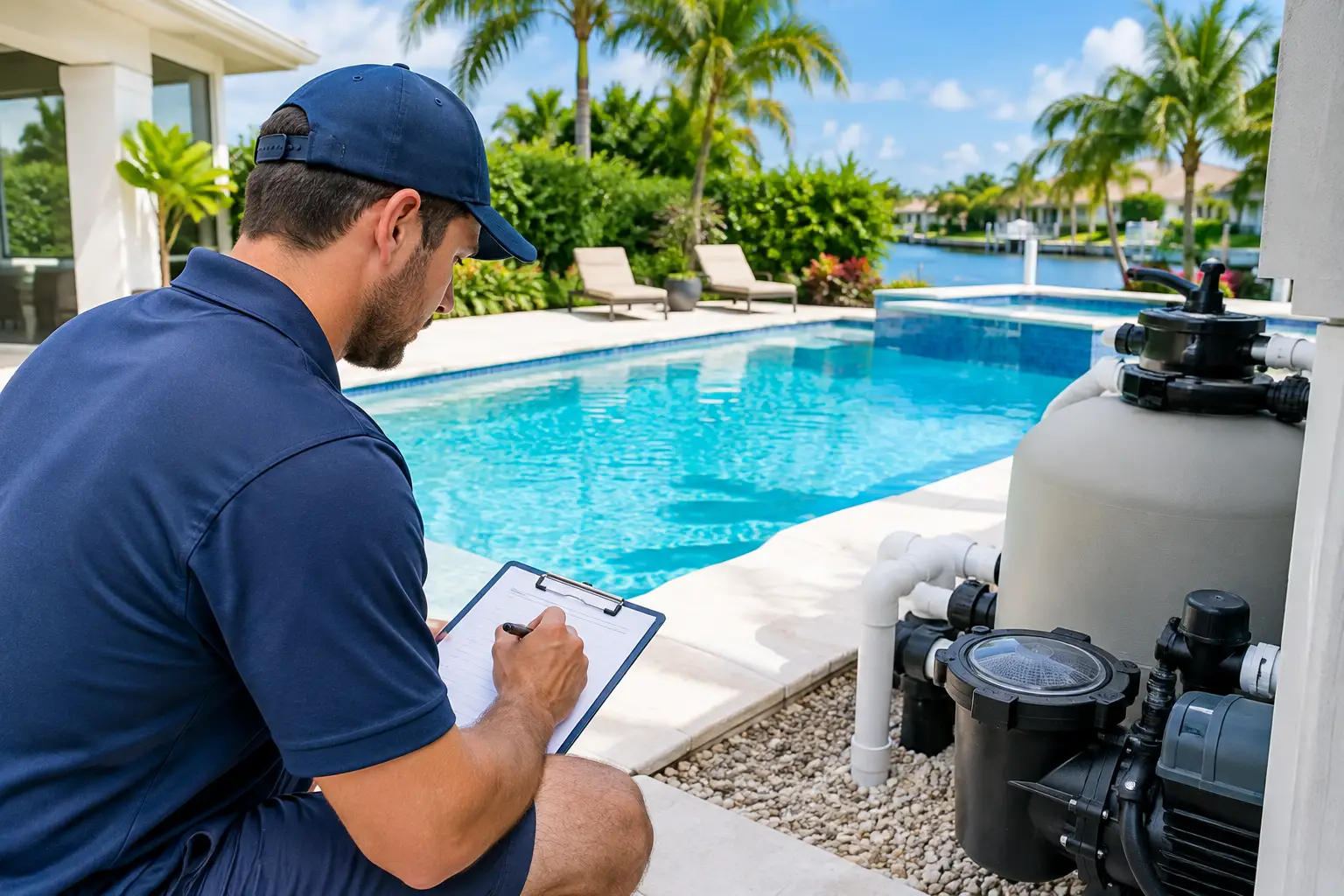
There is also an equipment side to the job. Good chemistry cannot compensate for poor circulation. A technician should visually inspect the pump, filter area, valves, and returns as part of the startup routine. If water is not moving as intended, the pool can develop uneven water conditions and become harder to maintain.
What made this startup successful
The example above works because it combines disciplined routine with careful judgment. A startup should never be treated as a fixed checklist where every pool receives exactly the same response. The structure matters, but so does adapting to the pool in front of you.
First, the pool received consistent brushing. This protects the appearance of the finish while it is most vulnerable to dust, settling material, and uneven exposure. It also gives the technician an opportunity to look closely at the surface rather than relying only on a water reading.
Second, testing happened throughout the program, not just at the beginning. Chemical balancing is about maintaining safe, properly balanced water over time. Changes are made based on measured conditions and the needs of the surface, not guesswork or a one-size-fits-all approach.
Third, the homeowner received clear communication. Digital reports and photos provide reassurance that the pool has been serviced and create a useful record of the startup journey. If a question arises about water clarity, equipment performance, or the next stage of care, everyone has a clearer picture of what has already been done.
Finally, the startup had a defined handoff. Once the initial period was complete and the pool was stabilising well, it could move into a normal maintenance rhythm. That transition matters. A pool should not go from intensive startup care to being overlooked. Ongoing weekly service helps preserve the result.
The trade-offs homeowners should understand
A careful startup can feel slower than homeowners expect, especially after waiting through a renovation or construction project. It may mean following surface-specific guidance before treating the pool like a finished backyard centrepiece. That patience can be frustrating, but it is usually far less frustrating than trying to correct surface problems later.
The exact routine also depends on several variables. A resurfaced pool is different from a newly constructed pool. A saltwater system may need to be brought into normal operation at a different point than a traditionally chlorinated pool. Existing equipment, the source water used for filling, and the pool's exposure to sun or landscaping debris can all influence the plan.
That is why homeowners should be cautious about copying chemical advice from a neighbor or adding products without a current test result. Chemical handling is best left to a qualified pool professional during this sensitive period. An unmeasured adjustment may create a new issue while attempting to solve an old one.
Signs your pool startup needs closer attention
Some changes are normal while a finish cures, but they should be observed rather than ignored. Cloudiness that persists, material collecting repeatedly in the same area, an unusual surface appearance, reduced return flow, or equipment that seems louder or less effective than usual all deserve a closer look.
Homeowners can help by keeping an eye on the pool between visits and reporting what they see. A quick note about a change in water appearance, a storm that filled the pool with debris, or a concern at the equipment pad gives the service team useful context. There is no need to diagnose the problem yourself.
It is also wise to protect the work already done. Keep landscaping debris from building up in the water where possible, avoid introducing unnecessary products, and follow the care guidance provided for the new surface. Simple cooperation keeps the startup plan on track.
From fresh finish to everyday peace of mind
The best startup is not dramatic. There is no emergency recovery, no mystery staining, and no last-minute rush to correct neglected chemistry. Instead, the pool becomes steadily cleaner, more stable, and easier to enjoy as the first month progresses.
For homeowners in Wellington, Westlake, Royal Palm Beach, and nearby communities, that steady approach is especially valuable. Pools here work hard through long sunny seasons, afternoon rain, and frequent family use. Starting with a careful foundation gives routine maintenance a much better chance of keeping the water safe, balanced, and turtly clean.
If your pool has just been built or resurfaced, treat the first 28 days as part of the project, not an afterthought. Attentive brushing, measured water care, equipment checks, and clear service records can turn a beautiful first-day finish into a pool you can enjoy with confidence for years to come.