A quiet equipment pad is easy to take for granted. Then the pump starts humming differently, the heater will not fire, or the water turns cloudy after what seemed like a normal week. This Westlake pool equipment guide explains what the major components do, what homeowners can safely watch for, and when a prompt repair can prevent a larger pool problem.
Westlake pools work hard through long swim seasons, heavy rain, windblown debris, and warm water temperatures that can encourage algae. Clean, safe, perfectly balanced water depends on more than weekly skimming. It also depends on equipment moving, filtering, sanitising, and heating that water as designed.
The equipment that keeps a pool healthy
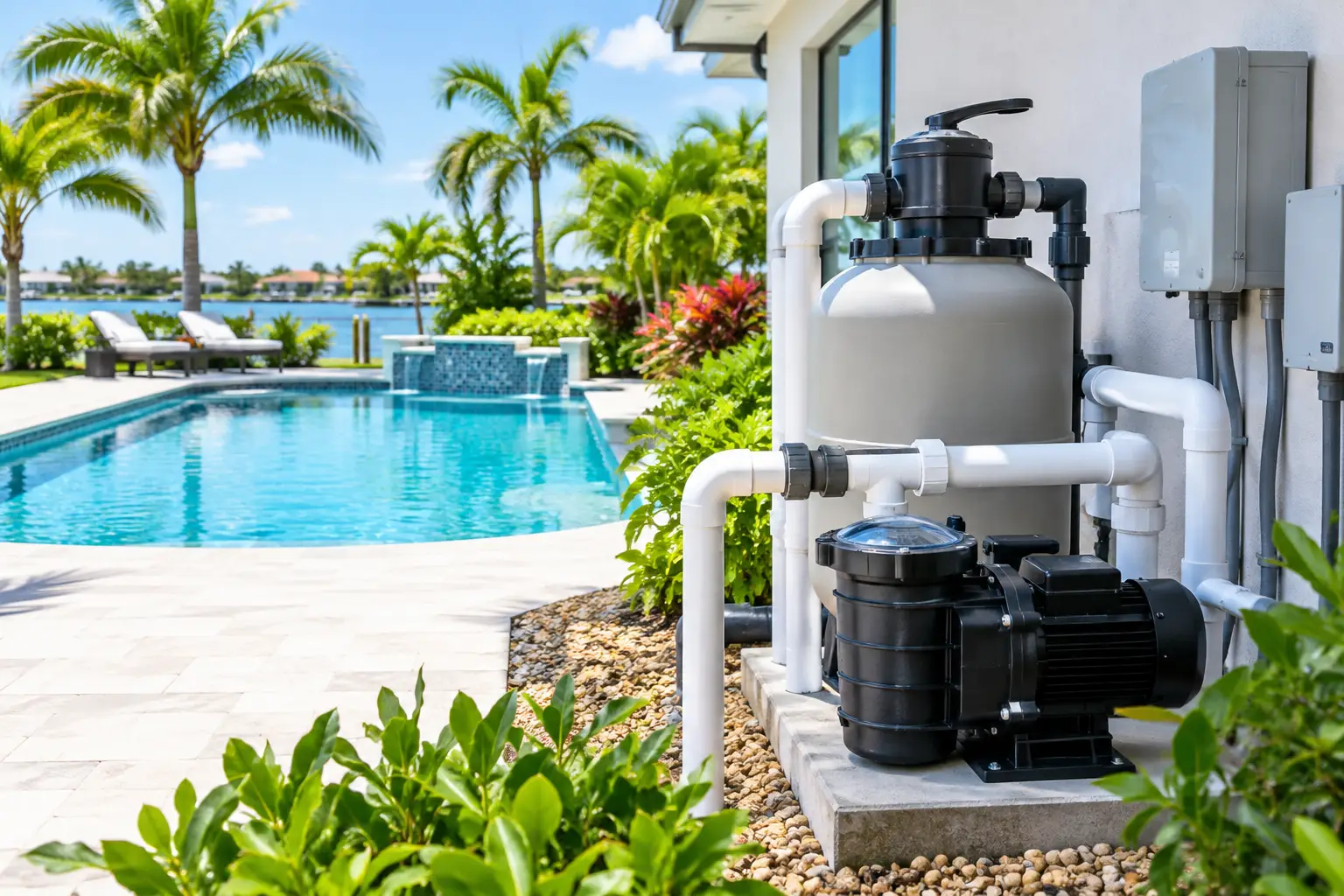
Most residential pools have the same core system, even though the brands, sizes, and controls vary. Water travels from the skimmer and main drain to the pump. The pump pushes it through the filter, then through any added equipment such as a heater, heat pump, salt system, or automation-controlled features before it returns to the pool.
Each part affects the others. A clogged filter can reduce flow and make a heater shut down. A leaking pump seal can allow air into the system and weaken circulation. A salt system can appear to be the problem when the real issue is poor water balance or inadequate flow. Looking at the entire system, rather than one symptom in isolation, leads to a more useful diagnosis.
Pool pump and circulation
The pump is the heart of the equipment pad. It circulates treated water, helps distribute chemicals, and carries debris to the filter. A properly operating pump should run with a steady sound and maintain consistent water movement at the returns.
Variable-speed pumps are a common upgrade for homeowners who want quieter operation and more control over daily circulation. They can run at lower speeds for routine filtration and higher speeds when vacuuming, operating a water feature, or heating. The right schedule depends on the pool size, plumbing layout, bather use, and equipment connected to the system. Running a pump harder than necessary may waste energy, while running it too little can leave debris, poor circulation, and uneven chemistry behind.
Watch for a pump that is suddenly louder, loses prime, leaks beneath the housing, shuts off unexpectedly, or shows air bubbles in the pump basket. Keep the basket area clear and make sure the water level is high enough for the skimmer to draw water properly. Electrical troubleshooting and opening pump components are jobs for a qualified pool professional.
Filters and water clarity
A filter does not create good water chemistry, but it is essential for clear water. Cartridge, sand, and DE filters each capture debris differently and require different maintenance. What they have in common is pressure and flow: as debris accumulates, water has a harder time moving through the filter.
A rising pressure reading, weak return flow, or cloudy water can signal that the filter needs attention. However, cleaning a filter too often can be counterproductive in some setups, and a clean-looking filter is not always a functioning one. The best service approach considers pressure trends, circulation, water appearance, and the condition of the filter elements or media.
Homeowners should avoid bypassing a filter issue by simply adding extra chemicals. Chlorine and balancing products work best when circulation and filtration are doing their part. If the pool looks dull despite proper chemical readings, the equipment pad deserves a closer look.
Westlake pool equipment guide: heaters and cooling
Comfort is not just a luxury feature in a Florida pool. A heater or heat pump can extend the months a family enjoys the water, while cooling equipment can make the pool more refreshing during the hottest stretches. Both depend on proper circulation, clean water, and correctly sized equipment.
A gas heater generally provides quick heating, while a heat pump typically heats more gradually by transferring heat from the surrounding air. The best choice depends on how quickly you want the water warmed, how often you use the pool, your existing equipment setup, and your long-term operating preferences. There is no single right answer for every backyard.
If a heater displays an error message, cycles on and off, or does not heat at all, do not keep resetting it and hoping the problem clears. The issue may involve water flow, a dirty filter, a sensor, the control system, or the unit itself. A professional inspection can identify whether the trouble is a small correction or a repair that should be addressed before the next cool spell.
For pool cooling, performance also depends on water flow and the equipment's operating conditions. Cooling may feel less dramatic during extreme heat, and expectations should match the pool size and outdoor temperatures. A properly maintained system is still the best starting point for comfortable water.
Salt systems and balanced water
A saltwater pool is still a chlorine pool. The salt cell uses dissolved salt to produce chlorine, which sanitises the water. This can make day-to-day chlorination more convenient, but it does not eliminate the need for testing, balancing, brushing, filtration, or attentive service.
Salt cells need adequate flow and properly balanced water to perform well. Scale buildup, low salt, aging cells, poor circulation, and chemistry that is out of range can all reduce chlorine production. Adding salt without testing first can create another problem, especially if the underlying issue is not actually low salt.
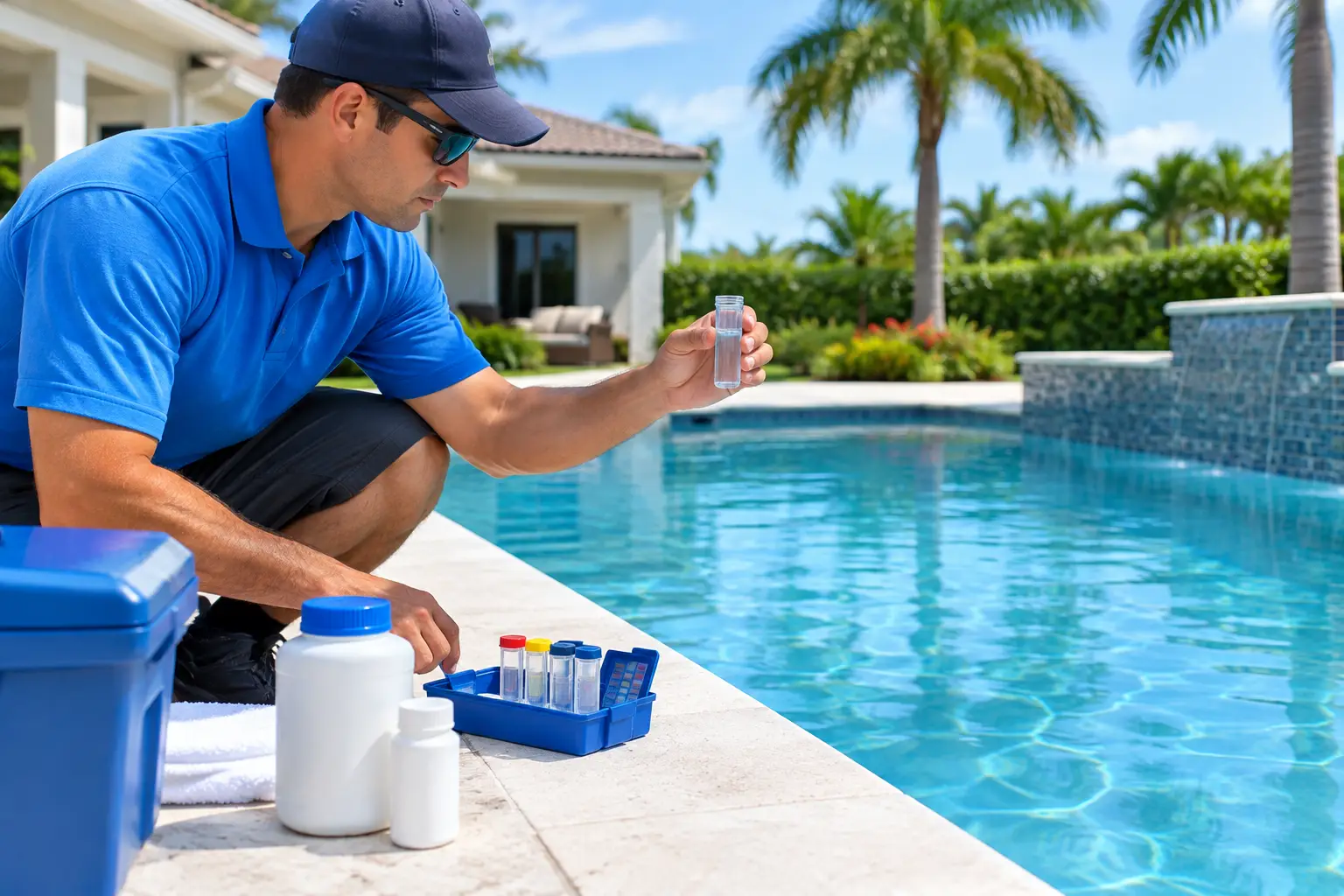
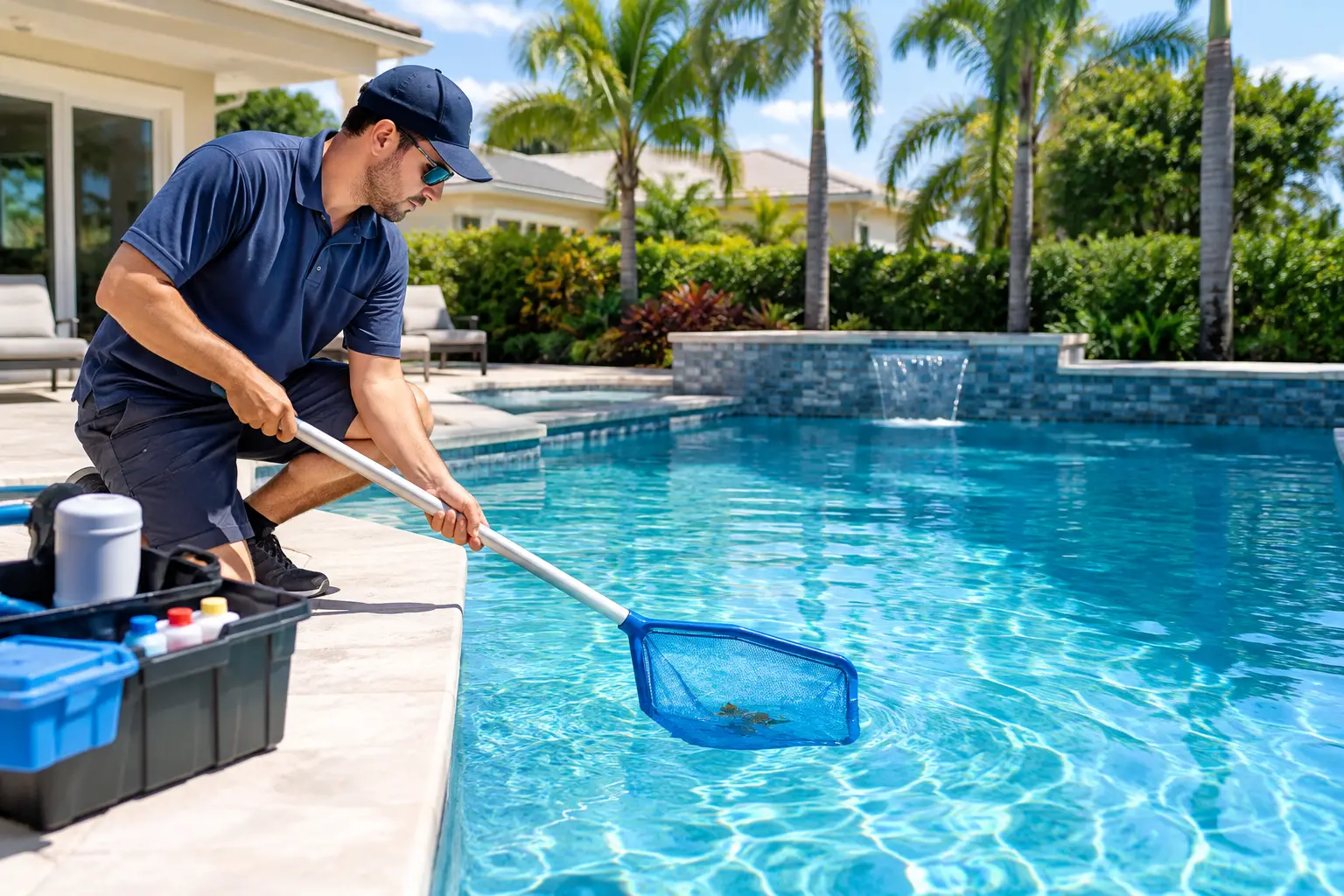
A weekly service visit should look beyond the water's appearance. Testing and balancing pH, sanitizer, alkalinity, and other relevant readings helps protect swimmers, surfaces, and equipment. It also gives a salt system the conditions it needs to work effectively. When water is consistently maintained, it is much easier to keep the pool truly clean than to recover from algae or staining later.
Automation: convenience needs good programming
Automation systems can put pump schedules, lights, water features, heaters, and other pool functions in one place. They are especially helpful for homeowners who want reliable daily operation without adjusting equipment manually. But automation is only as helpful as its programming and connected equipment.
After a power interruption, equipment upgrade, or seasonal change in pool use, schedules may need to be reviewed. A pump that starts too late, a heater that has not been enabled, or a feature that runs longer than intended can create frustration and unnecessary operating costs. If you use an app-based system, it is worth checking that the equipment responds as expected before a weekend gathering rather than during it.
Automation should simplify pool ownership, not hide a problem. If an automated system reports repeated alerts, a pump is failing to start, or a valve does not move correctly, have the system evaluated instead of overriding alerts repeatedly.
What to check before calling for equipment service
There are a few safe observations that help speed up a service visit. Note whether the pump is running, whether water is returning to the pool, whether the water level is near the middle of the skimmer opening, and whether there is a visible leak or error message. Take note of when the issue started and whether it followed heavy rain, a power outage, or recent use of the heater or spa.
Avoid opening electrical panels, disassembling motors, or mixing chemicals to compensate for unclear water. Do not run a pump dry. If you see active leaking around electrical equipment, smell burning, or notice an unusual breaker issue, turn off the affected equipment if it can be done safely and arrange professional help.
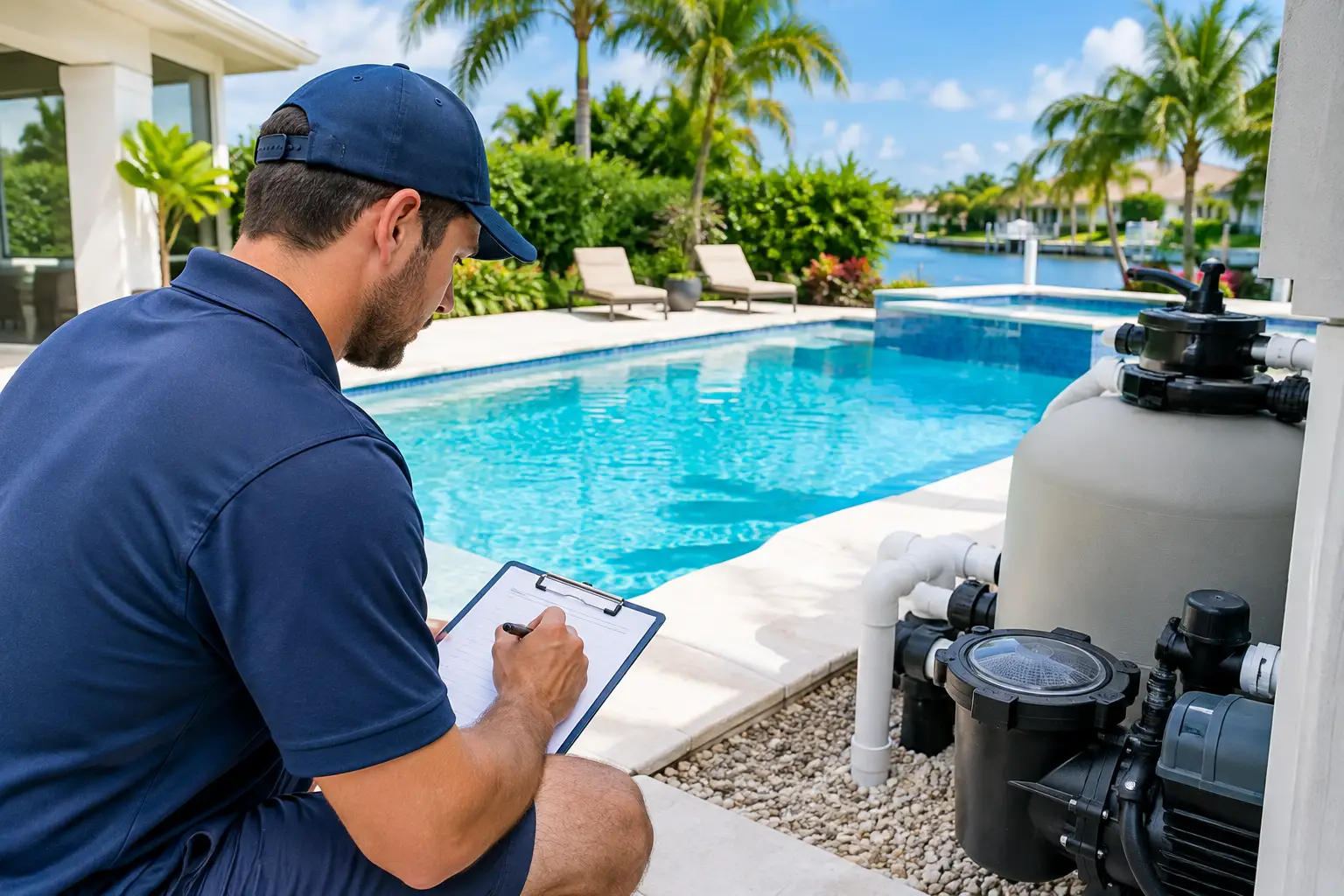
Clear communication makes repairs more efficient. A detailed service report with photos can show what was observed at the equipment pad, what was corrected, and what may need monitoring. That record is particularly valuable for new pool owners learning their system or homeowners tracking an intermittent issue.
Plan upgrades around the pool's real needs
An equipment upgrade is most worthwhile when it solves a specific operating problem. A variable-speed pump may reduce noise and improve scheduling flexibility. Automation may make daily operation easier. A salt system may suit a homeowner who wants consistent chlorine generation. A heater, heat pump, or cooling solution may make the pool usable more often.
The key is matching the upgrade to the pool rather than choosing equipment in isolation. Plumbing, electrical capacity, filter condition, pool volume, existing controls, and how your family uses the pool all matter. A thoughtful recommendation should explain the practical benefit, any trade-offs, and what maintenance the new equipment will still require.
For Westlake homeowners, a dependable pool routine begins with clear water but should include careful attention to the equipment doing the work behind the scenes. Turtle Pool Care can help keep that system monitored through attentive weekly care, clear digital reporting, and practical repair or upgrade guidance. A small change in sound, flow, or water clarity is often worth addressing early, before it has a chance to interrupt the next day you planned to spend in the pool.