A new pool handover example should feel less like a quick set of keys and more like a calm, practical walkthrough of a system that will be part of your home for years. The water may look picture-perfect on handover day, but a clean pool depends on what happens after the builder leaves: understanding the equipment, protecting new surfaces, and knowing who to call when something does not look right.
For homeowners, the goal is not to become a pool technician overnight. It is to leave the handover knowing how your pool is meant to operate, what is normal during its first few weeks, and what needs professional attention. That clarity helps keep a new pool safe, balanced, and turtly clean from the start.
What a useful new pool handover example looks like
Imagine a homeowner receiving a newly completed pool with a variable-speed pump, cartridge filter, heater, LED light, saltwater system, and basic automation. The contractor has filled the pool, started circulation, and scheduled a handover appointment.
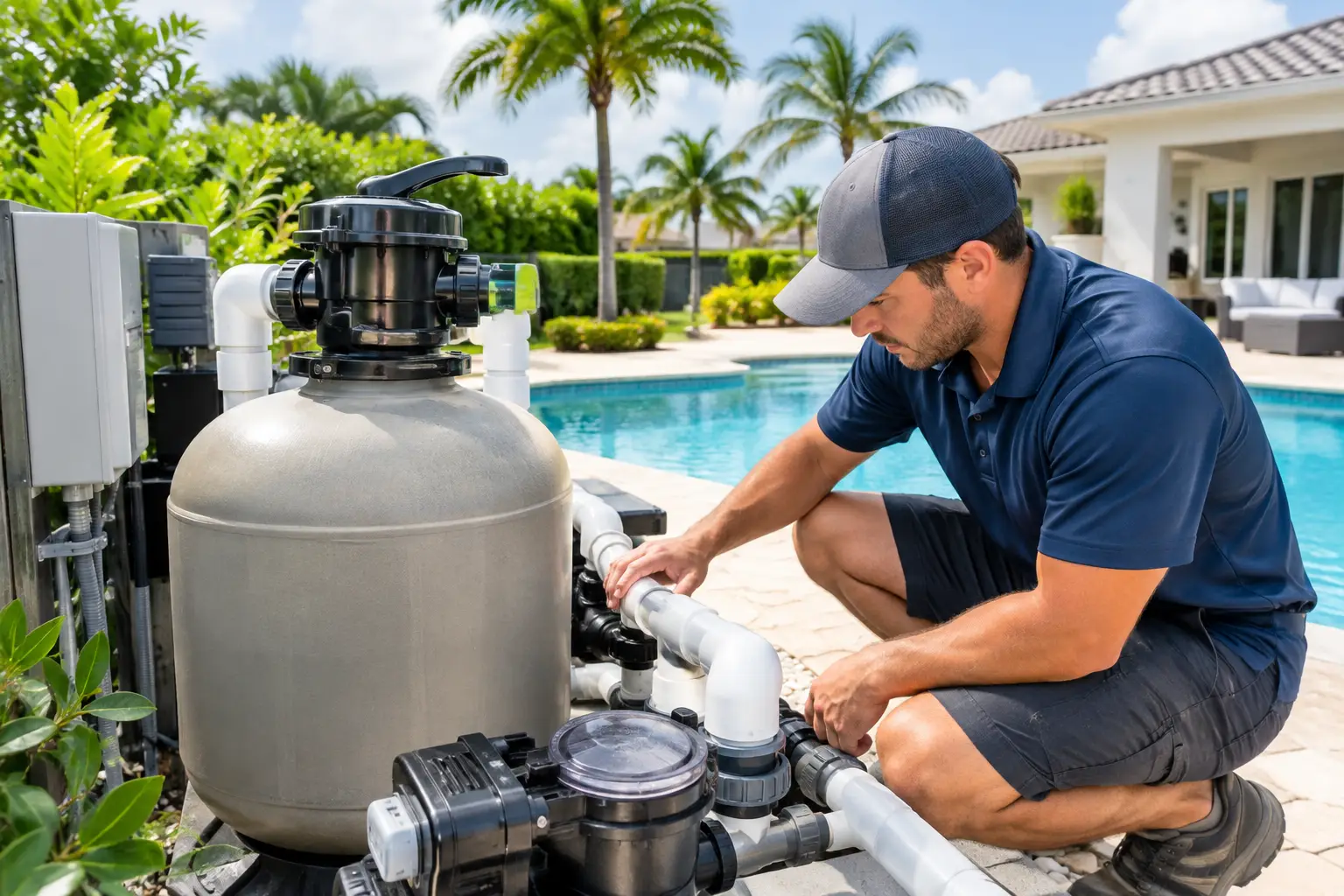
A good handover begins at the equipment pad, not at the water's edge. The homeowner is shown each major component and given a plain-English explanation of its job. The pump moves water through the system. The filter captures debris. The heater raises water temperature when enabled. The salt system produces chlorine only when the pump is running and water conditions allow it. Automation controls schedules and selected features.
The homeowner should also receive model information, operating instructions, equipment settings, and contact details for any applicable manufacturer or builder support. Take photos of the equipment pad, labels, valve positions, and controller screen settings. Those photos can be surprisingly helpful later, especially if a setting is changed by accident or a service professional needs context before arriving.
The conversation should then move from “what is this?” to “what does normal operation look like?” A variable-speed pump may run longer than an older single-speed pump, often at lower speeds. That is not necessarily a problem. A heater may pause if water flow is too low or a safety condition is not met. A salt system might display a low-salt or low-temperature message under certain conditions. Understanding these basics prevents unnecessary worry while helping you spot a genuine issue sooner.
The first-month startup matters as much as handover day
Fresh plaster, pebble, or resurfaced interiors are not fully settled on day one. The first several weeks are a controlled startup period, not business as usual. Water chemistry, circulation, brushing, and debris removal all play a role in helping the surface cure evenly and look its best.
In a typical startup, the pool professional tests and adjusts water frequently, brushes the interior thoroughly, watches for plaster dust or surface changes, and keeps equipment operating according to the startup plan. The precise routine depends on the finish, the fill water, weather, and the equipment installed. In western Palm Beach County, warm temperatures, heavy rain, and strong sun can all affect water balance quickly.
Homeowners should ask one direct question during handover: “What should I avoid during the startup period?” The answer may include limiting heavy pool use for a short time, avoiding automatic cleaners until approved, keeping furniture and toys away from vulnerable surfaces, and not adding chemicals without guidance. New finishes can be damaged by incorrect chemistry or improper brushing, so this is not the time for guesswork.
If a saltwater system is installed, ask when it should be turned on. New-pool startup plans often delay salt addition until the interior has had time to cure. The timing depends on the surface and builder instructions. Adding salt or adjusting chemical products on your own before that point can create avoidable problems.
Questions to ask before the handover ends
You do not need a lengthy checklist to have a productive handover. A few specific questions can make all the difference. Ask how long the pump should run each day, which settings you should leave alone, and where the shutoff controls are located. Ask how to recognize a dirty filter, where the water level should normally sit, and what alerts on the controller deserve a call.
Also ask who is responsible for each part of the project after completion. Pool construction can involve separate parties for the shell, finish, equipment, automation, landscaping, and screen enclosure. Clear contact information prevents a homeowner from being passed around when an issue comes up.
Finally, ask what documentation you should keep. Save equipment manuals, model and serial numbers, startup notes, water test records, photos of the completed pool, and any instructions about the interior finish. Keep these together digitally as well as in a home file. They are useful for future service, repairs, upgrades, and warranty questions.
What homeowners should check in the days after handover
The first week is a good time to observe, rather than adjust, the pool. Walk around the pool daily and look for a steady water level, normal circulation, clean skimmer baskets, and a clear equipment area. Note any drips, unusual sounds, error messages, air bubbles returning through the pool, or water that is becoming cloudy.
A small amount of settling, fine dust, or a changing water level can have ordinary explanations, particularly during startup. But do not ignore a persistent leak, a pump that loses prime, a breaker that trips, or equipment that will not start. Homeowners should not attempt electrical repairs or make major plumbing changes. Shut the affected system down if instructed to do so and contact the appropriate professional.
Water appearance is only part of the story. Crystal-clear water can still be chemically out of balance, while a newly filled pool may need ongoing adjustments before it settles into a routine. Professional testing is valuable because it measures the conditions that protect swimmers, equipment, and the pool surface - not just how the water looks from the patio.
Once the startup period is complete, new-pool ownership becomes much simpler with a consistent routine. The pool needs circulation, debris removal, balanced water, and regular equipment checks. In practice, that means skimming and brushing as needed, emptying baskets, monitoring the water level, and having the water tested and balanced on a dependable schedule.
Some homeowners enjoy taking on these tasks themselves. Others prefer the peace of mind of weekly professional care, especially when work, travel, family schedules, or Florida weather make pool chemistry harder to stay ahead of. Neither choice is wrong. What matters is that the pool receives consistent attention instead of being treated only when the water turns green or equipment stops working.
A service report with completed tasks, water readings, and photos is especially helpful for a new pool. It creates a record of how the pool is settling in and gives homeowners visibility without requiring them to stand beside every service visit. Turtle Pool Care uses detailed digital reporting because clear communication should be part of pool care, not an extra.
A handover is the start of ownership, not the finish line
The best new pool handover leaves you confident, not overloaded. You should know where the equipment is, how the pool is scheduled to run, what the startup period requires, and when to ask for help. Keep the instructions, take a few photos, and give the water and surface the careful first-month attention they deserve.
A pool is built for relaxing afternoons, family time, and a backyard you are proud to share. A thoughtful handover and steady care afterward help ensure those are the memories that stick - not a preventable equipment alert or a chemistry surprise.