A saltwater pool should feel like a simpler way to enjoy your backyard, not another piece of equipment that needs constant attention. The best saltwater system features help keep chlorine production steady, protect the equipment, and make water care easier to understand. The right system can support softer-feeling water and more consistent sanitization, but it still needs proper chemistry, routine cleaning, and the right fit for your pool.
What a Saltwater System Actually Does
Despite the name, a saltwater pool is not chlorine-free. A salt chlorine generator uses a small amount of dissolved salt and an electrolytic cell to create chlorine for the pool. That chlorine still sanitizes the water, controls algae, and breaks down bather waste just as chlorine added by hand would.
The difference is how chlorine is supplied. Rather than relying only on tablets or liquid chlorine, the generator produces chlorine gradually while the circulation system is running. For many homeowners, that means fewer sharp swings in chlorine levels and less frequent chemical handling.
A well-chosen saltwater system is especially useful in the heat, rain, and high pool use common around Wellington, Royal Palm Beach, and nearby communities. Still, no system can compensate for poor water balance, a failing pump, short circulation times, or an undersized cell. Choosing the right features up front makes a meaningful difference.
Best Saltwater System Features to Prioritize
A correctly sized salt cell
Cell size is one of the most important decisions, and bigger is often better within reason. The cell must produce enough chlorine for your pool's water volume, sunlight exposure, swimmer load, and seasonal demands. A system rated only for the exact size of your pool may need to operate at a very high output during the hottest months.
Selecting a cell with capacity above your pool's actual gallon count gives it breathing room. The generator can run at a lower percentage while still maintaining a proper chlorine level. That may reduce strain on the cell and give you more flexibility when pool use increases.
A larger cell is not automatically the best choice for every pool. It costs more initially, and the rest of the equipment must be compatible. But for a sunny residential pool with frequent family use, adequate production capacity is far more valuable than a lower purchase price that leads to constant adjustments.
Adjustable chlorine output
A useful salt system lets you set chlorine output as a percentage. This is not a replacement for testing the water, but it gives you control over daily production. Your pool may need a higher setting after a heavy rain, a holiday weekend, or extended summer use. It may need less production in cooler weather or when the pool is covered.
Look for controls that are easy to read and adjust. A complicated interface can turn a convenient upgrade into a guessing game. Clear output settings help your pool professional make informed adjustments and help you understand what changed between service visits.
Remember that output percentage and pump run time work together. A cell set to 50 percent can only make chlorine while water is flowing through it. If the pump schedule is too short, the pool may not receive enough sanitizer even with a higher percentage selected.
Flow protection and dependable safety shutoffs
The cell should only generate chlorine when there is adequate water flow. A flow sensor or flow switch helps prevent the system from operating when the pump is off, the filter is restricted, a valve is closed, or circulation is otherwise insufficient.
This feature protects the cell and alerts you to a potential circulation issue. It is a small detail with a major practical benefit. A low-flow message may point to something as routine as a dirty filter, but it can also signal a problem that deserves prompt attention before it affects water quality or equipment.
Self-cleaning polarity reversal
Salt cells naturally collect calcium scale, particularly when pool water has high calcium hardness, elevated pH, or poor overall balance. Self-cleaning systems periodically reverse electrical polarity to help reduce scale buildup on the cell plates.
This is one of the best saltwater system features because it can reduce how often the cell needs to be cleaned. It does not mean the cell will never need inspection. Florida pool water can still form scale, and an improperly balanced pool can shorten cell life quickly. However, polarity reversal can make routine ownership considerably easier.
A visual cell inspection remains worthwhile. Catching early scale buildup is easier and safer than allowing deposits to restrict chlorine production. Cell cleaning should be handled carefully and only when needed, since unnecessary acid cleaning can wear down the cell coating.
Useful diagnostics, not just warning lights
A basic warning light tells you something is wrong. Better diagnostics help identify what needs attention. Look for a system that can display salt level, water temperature, cell status, flow condition, output percentage, and error messages in plain language.
Accurate salt-level reporting is especially helpful. Too little salt can stop chlorine production, while adding more salt than needed creates a problem of its own. A reading on the controller is a useful guide, but it should be confirmed with a reliable water test before any salt is added.
Cell-life information is also valuable. Salt cells are consumable equipment, meaning they eventually wear out. A system that provides clear performance and life-status information makes replacement planning less surprising and helps distinguish a worn cell from a water-balance or circulation issue.
Compatibility with your existing equipment
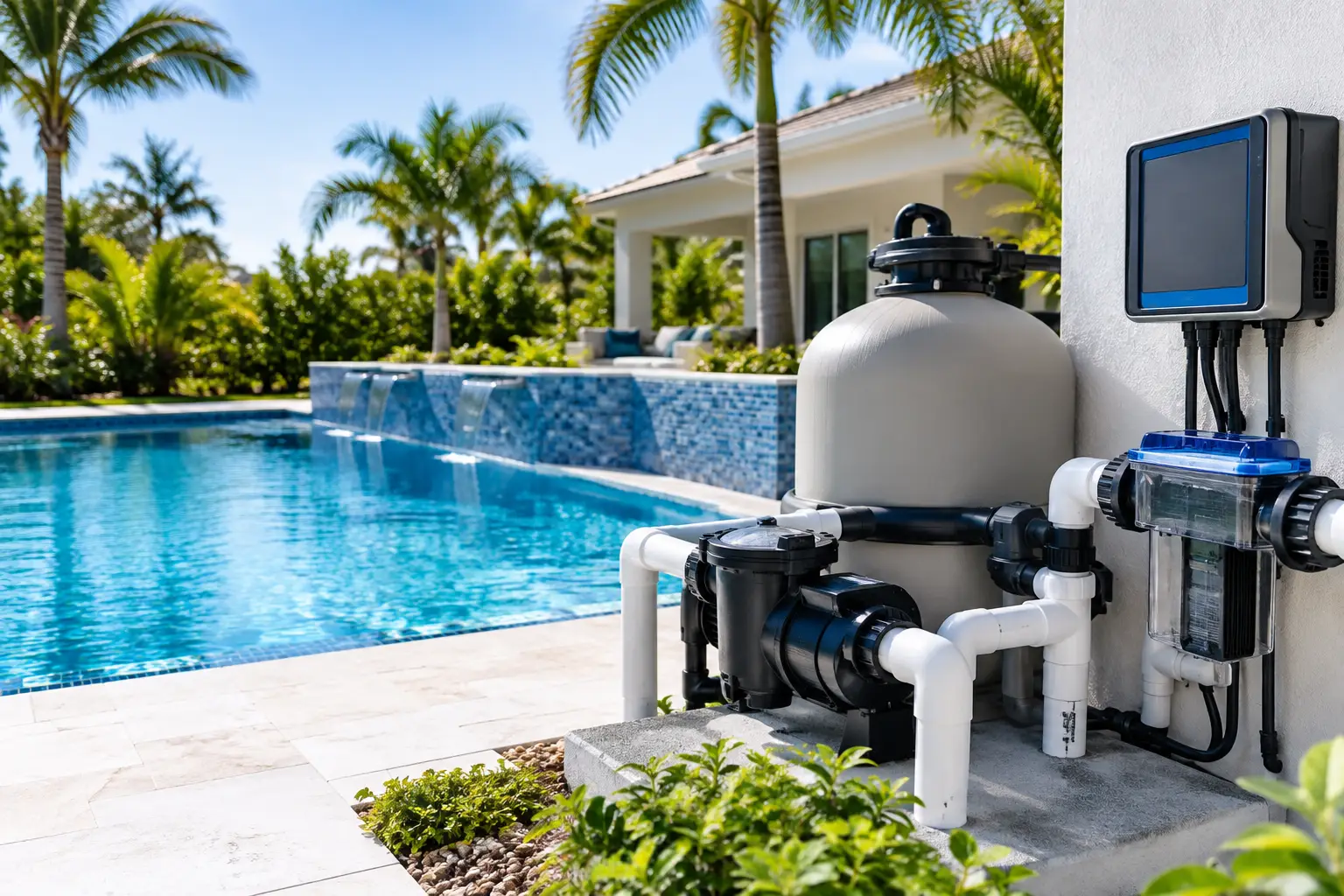
A saltwater generator needs to work with the pool you already have. That includes the pump, filter, plumbing layout, heater or heat pump, and any automation controls. The cell must be installed in the correct location on the return line, typically after the filter and heater, so treated water returns safely to the pool.
If you have variable-speed pumping, the system should still receive enough flow during the scheduled operating period to activate the generator. If you have automation, compatible controls can make it easier to adjust output, monitor alerts, and coordinate run times.
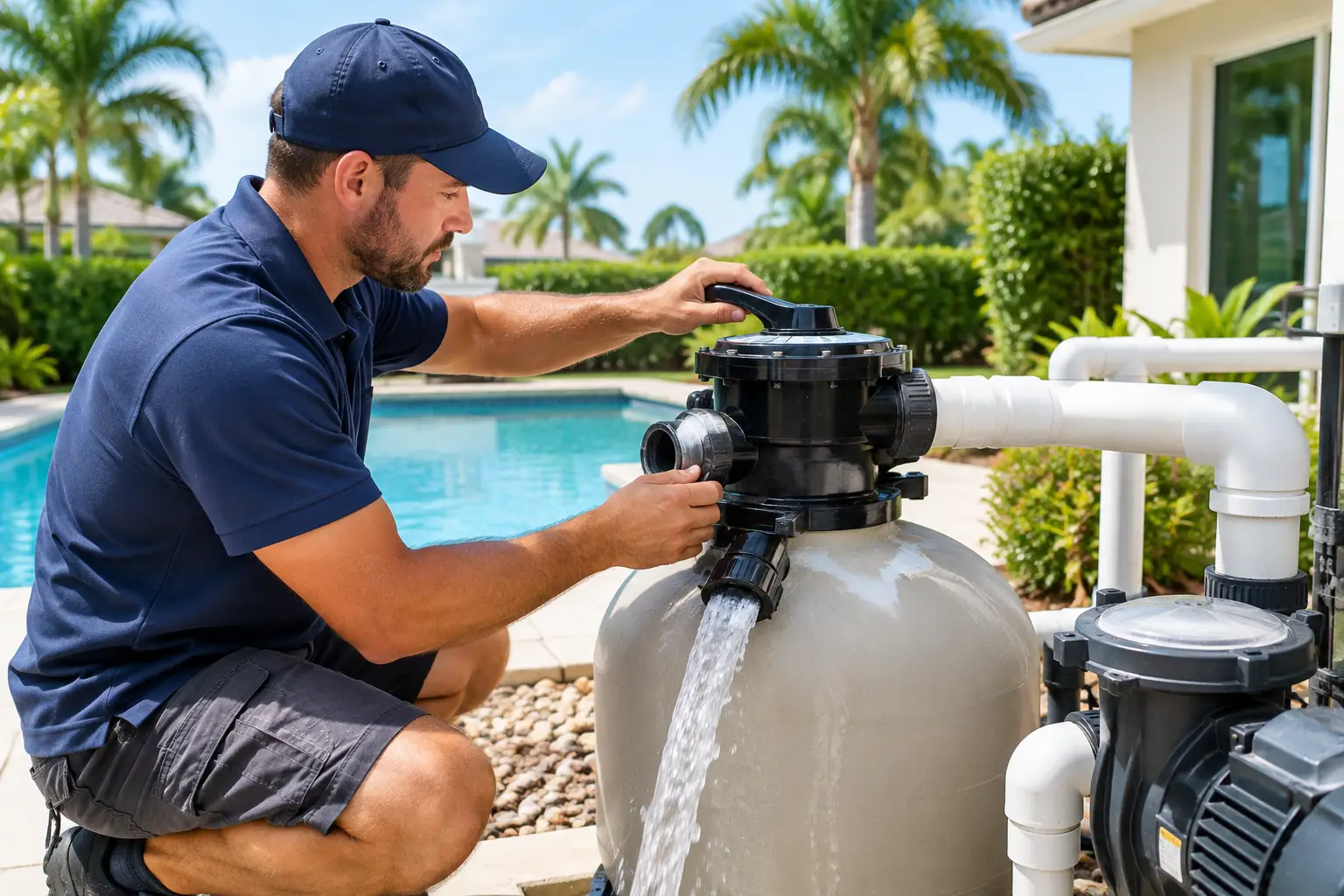
Compatibility matters even more when equipment is being upgraded in stages. A new salt system may work well with your current setup, but an experienced installer can help ensure future pump, heater, or automation upgrades do not create avoidable limitations.
Features That Make Day-to-Day Ownership Easier
Remote monitoring and automation can be worthwhile for homeowners who want more visibility, especially for a second home or a busy household. Depending on the system, you may be able to view operating status, change schedules, or receive alerts from an app or controller.
Convenience should not be confused with hands-off care. Remote controls cannot skim debris, clean a filter, inspect a cell, or correct water chemistry on their own. The best setup combines helpful technology with consistent service and clear reporting.
A well-designed controller, accessible cell placement, and easy-to-read status information are often more useful than extra features you will never use. Choose the level of technology that fits how you actually manage your pool.
Do Not Overlook Water Balance
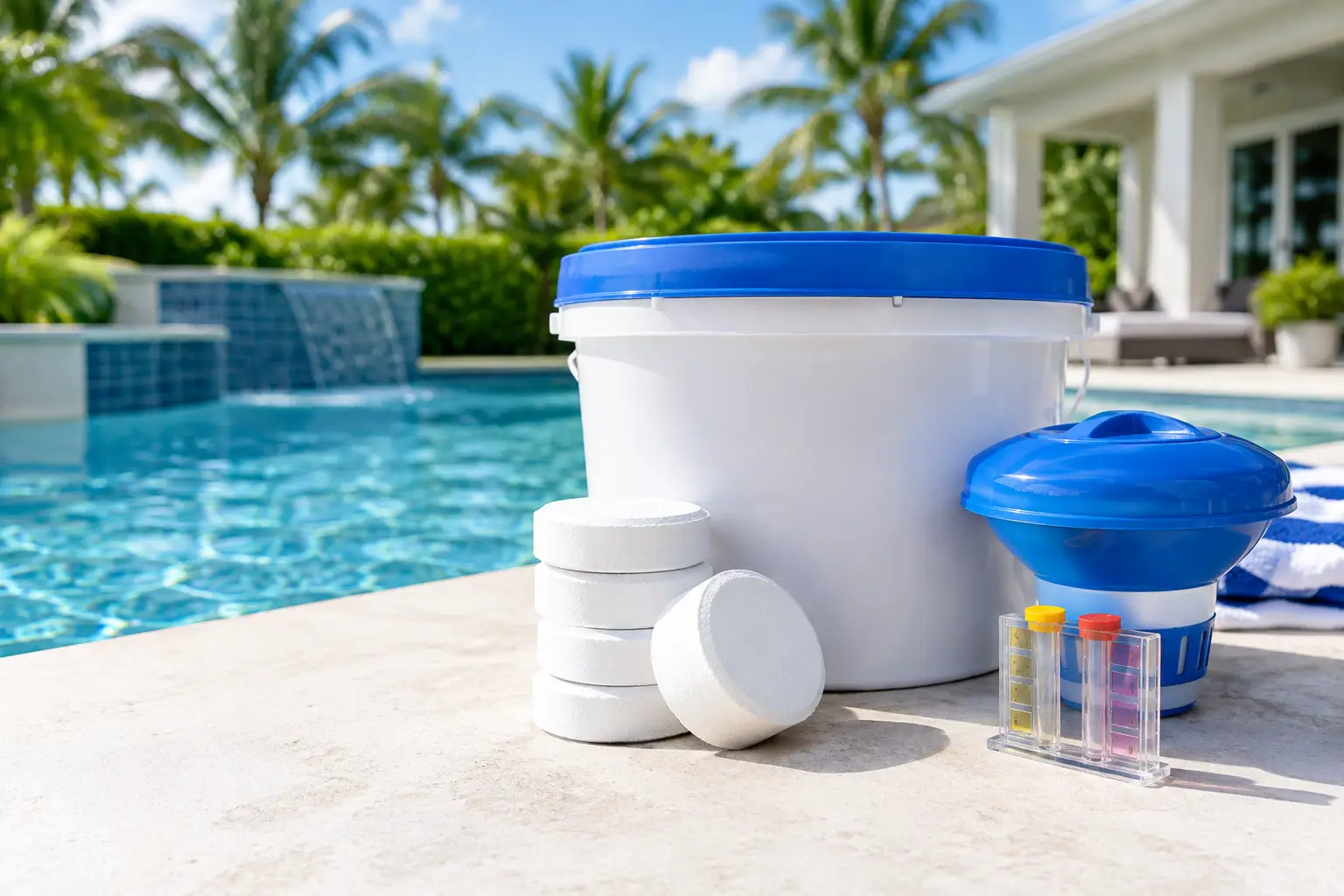
Saltwater systems depend on balanced water. pH, total alkalinity, calcium hardness, stabilizer, and salt concentration all influence how efficiently the cell operates. High pH and calcium hardness can encourage scale. Low stabilizer can allow sunlight to consume chlorine too quickly. Low salt can reduce output, while excessive salt may require dilution rather than a simple adjustment.
This is why weekly testing and consistent circulation remain essential. A salt system supplies chlorine, but it does not replace professional pool care. When the water is safe and perfectly balanced, the generator can do its job more effectively and the pool stays more comfortably turtly clean.
Choosing the Feature Set That Fits Your Pool
The best system is not necessarily the one with the longest list of features. It is the one properly sized for your pool, installed to match your equipment, and supported by regular water testing and maintenance. For a simple pool, a reliable cell with clear output controls, flow protection, and self-cleaning operation may be exactly right. For a pool with automation, a heater, or frequent travel, integrated monitoring may add real peace of mind.
Before making a decision, have the pool volume, current equipment, circulation schedule, plumbing condition, and water chemistry reviewed together. That practical approach helps prevent an undersized system, protects your investment, and keeps more of your time where it belongs - enjoying the water.